
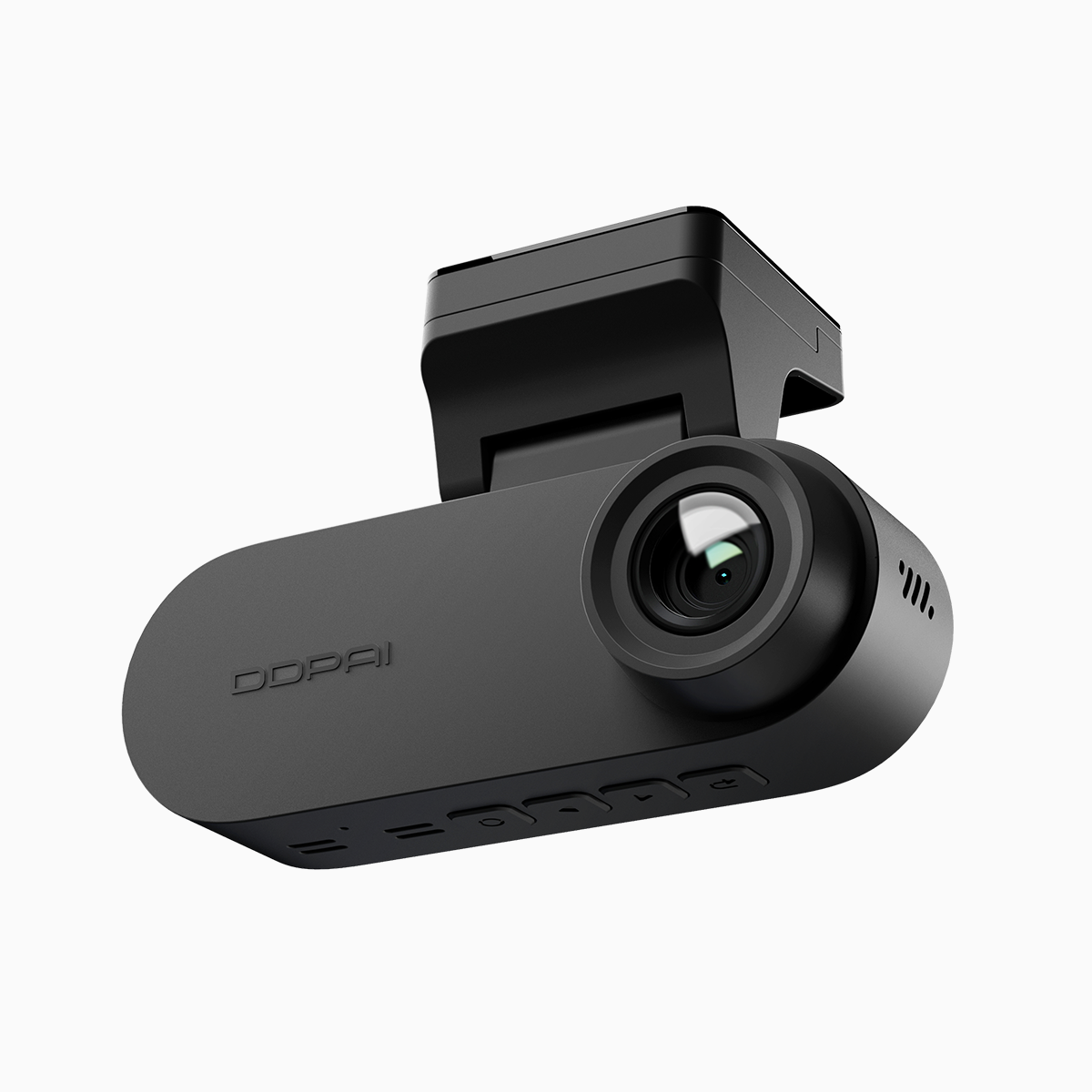
Problem Statement: Evidentiary Gaps and Operational Exposure
Road traffic incidents generate immediate factual disputes that commonly hinge on competing narratives, inadequate visual records, and degraded sensor data. The deployment of a front and rear dash cam and the integration of a dual lens dash cam constitute a primary mitigation strategy for private vehicle owners who require contemporaneous, corroborative footage to establish chronology, vehicle trajectories, and occupant actions. World Health Organization data identifying road traffic injuries as a leading cause of death for young adults underscores the public-safety imperative; accordingly, evidentiary capture is both a safety measure and a defensive legal instrument. Key operational terms: frame rate, G-sensor, loop recording.
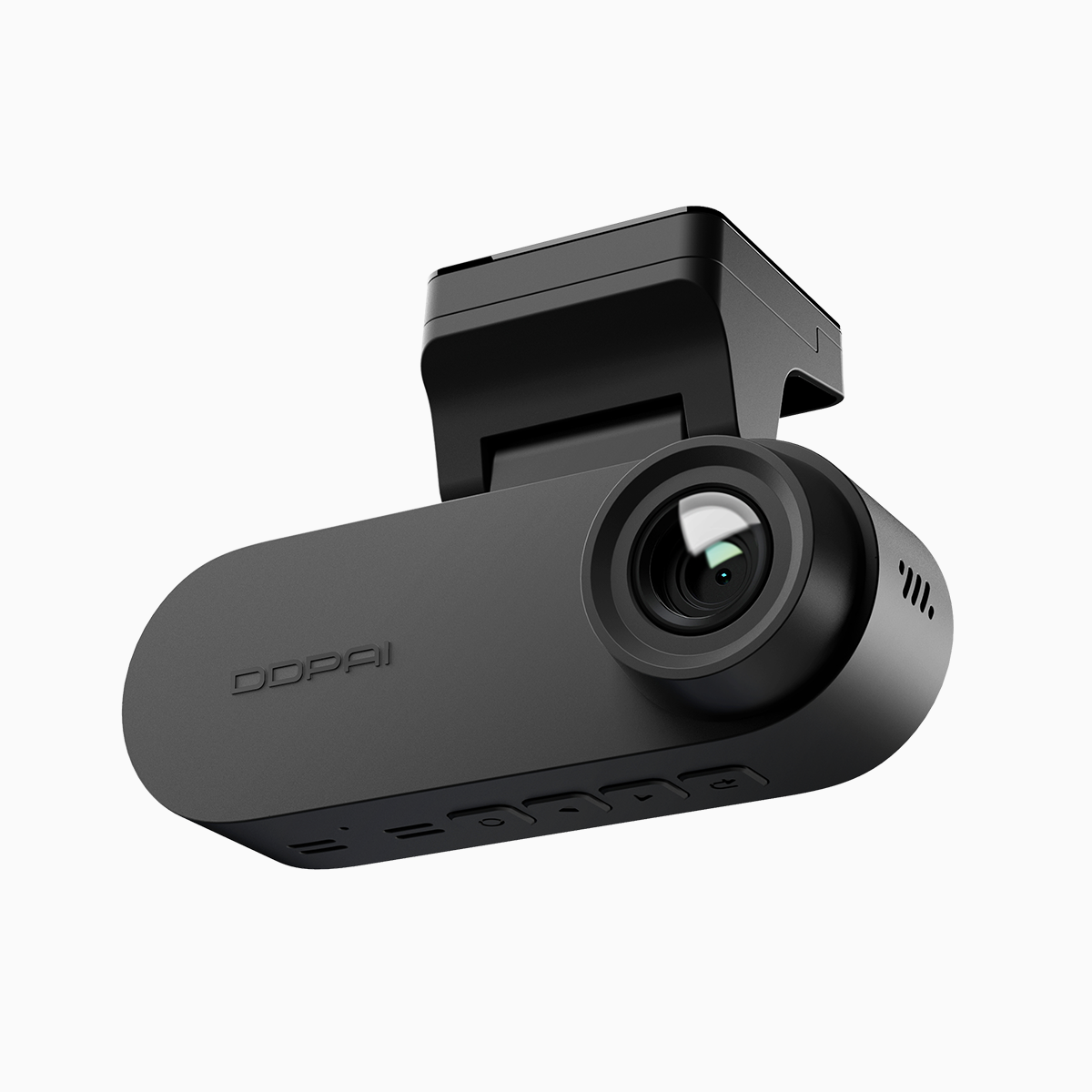
Legal and Safety Risks Addressed by Dual-View Systems
From a liability-management perspective, single-angle recordings often fail to dispel ambiguity regarding point of impact, evasive maneuvers, or proximate cause. Dual-view systems provide simultaneous vectors of observation—external approach and interior occupant view—which enhance credibility when footage is tendered in administrative hearings or civil litigation. The admissibility of such records depends on demonstrable chain of custody, tamper-resistance, and metadata integrity (timestamp, GPS). Failure to secure these elements risks evidentiary exclusion or diminished probative value.
Technical Criteria for Evidentiary Reliability
Any procurement decision must prioritize technical specifications that bear directly on evidentiary reliability. Required features include accurate timestamping, high-resolution capture (1080p minimum; 4K where feasible), consistent frame rate to prevent motion distortion, and GPS-enabled geotagging to corroborate location. File integrity safeguards—cryptographic hashing, read-only export routines, and secure firmware updates—are indispensable. Wide dynamic range (WDR) enhances image discernibility in variable lighting. A properly configured G-sensor will index impact events and preserve relevant segments from loop recording overwrites—precisely the functionality that insurers and courts often require. Practical note—firmware currency and secure export pathways are as important as optical quality.
Deployment Best Practices and Common Errors
Correct installation practices materially affect evidentiary value. Mount front modules at manufacturer-specified heights to avoid windshield obstruction and to maintain horizon alignment; orient rear modules to maximize plate visibility and capture lateral displacement. Enable parking mode with motion detection for off-hours incidents, and employ cloud backup where permitted by jurisdictional privacy norms. Common mistakes include disabling GPS, neglecting firmware updates, and using insufficient storage classes that induce file corruption. Organizationally, retain original files in immutable format and document every export with chain-of-custody annotations.
Comparative Assessment: Single-Camera, Dual-View, and Alternative Solutions
Comparative analysis yields clear distinctions. Single-camera units deliver cost-efficiency but produce interpretive gaps. Dual-view solutions reduce ambiguity by furnishing synchronous evidence streams and interior context, which can be decisive in occupant liability and insurance fraud cases. OEM integrated systems offer seamless vehicle electronics interfacing but may lack aftermarket features such as encrypted export and advanced loop recording controls. Consider the following assessment criteria when comparing options:
– Coverage: dual-view offers bidirectional verification versus monocular blind spots.
– Forensics: metadata completeness (GPS, timestamp, device ID) and export integrity.
– Operational continuity: battery-backed parking mode and storage management.
Advisory Close: Three Golden Rules for Selection and Implementation
1) Evidence Integrity: Prioritize devices that implement immutable export, cryptographic hashing, and verifiable timestamps. Proof of non-tampering is dispositive in adjudicative settings.
2) Comprehensive Coverage: Select systems that provide synchronized front and rear (or interior) capture at adequate resolution and frame rate to enable motion analysis and plate legibility; this minimizes contested factual issues.
3) Legal Compliance and Chain-of-Custody: Ensure device operation, data retention, and export procedures conform to applicable privacy statutes and evidentiary protocols relevant to the jurisdiction. Maintain contemporaneous logs for every transfer.
For operators who require a pragmatic fusion of these qualities, established providers incorporate the technical and procedural safeguards that satisfy both safety advocates and litigators. For municipal fleets and private owners seeking demonstrable chain-of-custody and robust recording features, solutions offered by DDPAI PH align with the foregoing metrics—practical, verifiable, and legally cognizable. —