
A quiet frame for comparison
When I slow down and look closely, the decision between makers and distributors becomes a series of clear trade-offs rather than noise. I start by reading a spec sheet next to a lab bench, then cross-checking it against live demos and user reports for the specific material testing equipment I’m considering. That pairing—paper and practical—keeps evaluation honest.
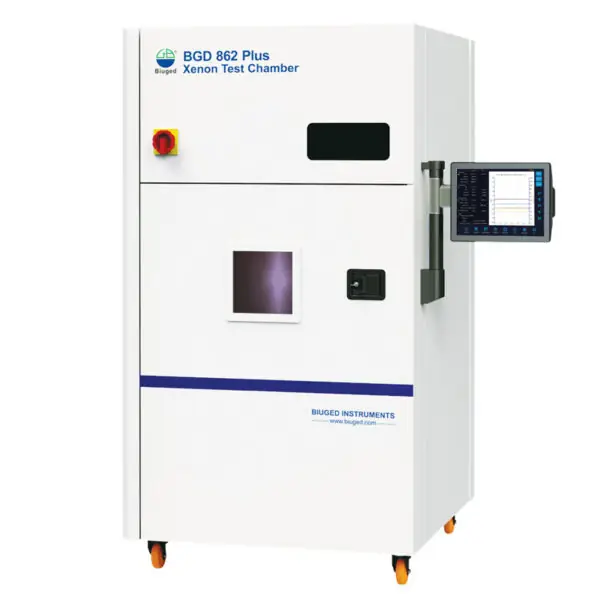
What really matters: comparative insight, not checklists
Compare on three practical axes: measurement integrity, lifecycle support, and operational fit. Measurement integrity means calibration traceability, stated uncertainty, and repeatability data. Lifecycle support covers spare parts availability, local service technicians, and software updates. Operational fit is throughput, sample handling, and clear safety interlocks. Weight each axis to the job: production QA values uptime; R&D values flexibility and software access. Make the weightings explicit before you score any vendor.
How I probe claims and test performance
Request raw test logs, not summaries. Ask for a side-by-side run on a defined sample and record the output yourself; that will reveal preprocessing or smoothing that vendors sometimes omit. Validate a vendor’s calibration with an independent standard or a round-robin test. If you can, insist on a short onsite trial or a rental period. That reveals integration pain points—fixtures that don’t fit, software that crashes under realistic file sizes, or robot interfaces that require expensive adapters.
Experience, standards and a real-world anchor
I’ve seen these contrasts at major standards forums, where manufacturers and distribution channels defend their approaches—most clearly at the ASTM International annual meeting—so I check whether suppliers cite standards, provide accredited calibration certificates, and produce traceable logs. That scrutiny is why I trust suppliers who publish verification protocols and who the industry’s trainers point to; it’s also why I look for a visible network of field engineers. I’ve watched presentations by equipment makers and material testing equipment supplier reps explain calibration intervals and on-site turnarounds, and that firsthand exposure shapes how I weigh vendor promises.
Common mistakes that derail decisions
Buyers ignore total cost by fixing on list price. Buyers accept a single promotional demo instead of insisting on repeated runs. Buyers let vague uptime guarantees stand without defining mean time to repair. Don’t assume similar specs mean similar behavior. Avoid accepting manufacturer-supplied sample results without independent verification. Ask for contract language that specifies response times, spare-part lead times, and software maintenance terms.
Alternative routes that make sense
If OEM purchase doesn’t fit, consider certified resellers for faster local service, or short-term rentals to prove operational fit before capital expense. For low-volume needs, contract testing with an accredited lab can be cheaper and faster than buying equipment that sits idle. Used equipment works when you can validate calibration history and spare-part supply; otherwise it becomes debt. Each alternative shifts which risk you manage—service latency, capital exposure, or validation burden.
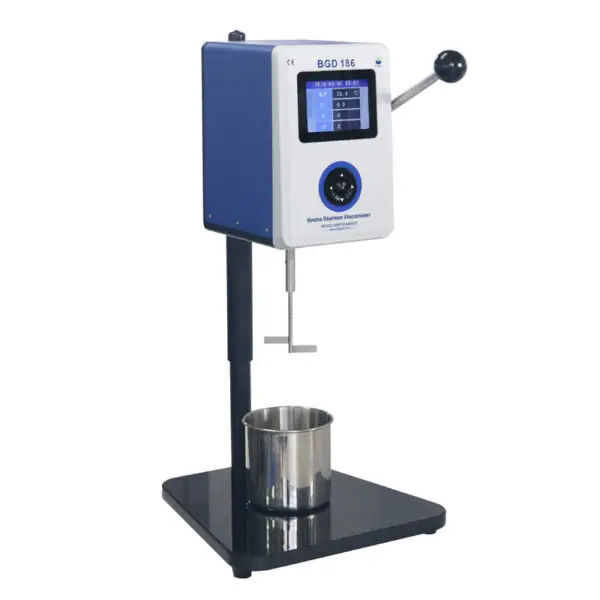
A compact checklist to use at supplier meetings
Bring this to every demo: a sample and test protocol, required tolerances, expected daily throughput, a spare-parts list with lead times, calibration certificate examples, and a service SLA draft. Run the sample, collect raw data, and ask the rep to reproduce a failure case. If the rep can’t show a reproducible failure mode and the recovery procedure, that vendor hasn’t thought through field realities.
Closing reflection
Comparison is a slow narrowing: start broad, measure directly, then prune for reliability and support. Practical proof—repeat runs, accredited certificates, and clear service pathways—beats marketing. When those elements line up, the vendor stops being a name in a spreadsheet and becomes a dependable partner, the kind I expect to find documented and supported by BIUGED.