

Which Criteria Actually Matter When Choosing a Learning-Gap Assessment?
The problem, bluntly stated
School leaders are offered a parade of assessments promising clairvoyance: instant learning gaps, tailored lessons, and miraculous homework completion. The real complaint is simpler — too many products deliver scores, not answers. When a district asks whether an AI learning platform will fix that, they’re usually hoping the next purchase won’t create more paper to manage. Problem-driven thinking starts by naming that mismatch: assessment should diagnose and direct, not just rank.

Criterion 1 — Diagnostic clarity, not just a number
Does the tool tell you where learning breaks down and why? A good assessment maps misunderstandings to teachable skills. If the report reads like a leaderboard or a confidence-boosting one-liner, it’s not meeting the need. Look for language in the output that pinpoints misconceptions and links directly to next instructional steps.
Criterion 2 — Actionable granularity
Granularity matters less when it’s noisy. Too broad and teachers can’t plan; too fine and the insights become useless micro-fragments. The sweet spot shows skill-level detail teachers can convert into a 10–20 minute intervention or a small-group plan. Insist on examples of how a recommended activity follows from the diagnostic result.
Criterion 3 — Adaptive sensitivity and assessment design
Adaptive sequencing isn’t a magic word. The assessment should adapt in ways that reveal student boundaries — the tipping point between “almost” and “not yet” — not just skip to harder items to inflate progress. Evaluate whether question paths are designed to test targeted misunderstandings, not merely to shorten test time.
Criterion 4 — Teacher-facing interpretability and workflow fit
Teachers will ignore a complex dashboard. Useful tools present findings in classroom language, offer quick lesson hooks, and slot into routines teachers already use. If an assessment requires a multi-hour training to translate its output, that’s a red flag. Practical fit beats flashy visuals every time.
Criterion 5 — Evidence and transparency
Demand clarity about what the assessment measures and how. Vendors should explain the mapping from item to skill, and the limits of their claims. “Validated” means nothing unless you can see what was validated and how the results apply to the students you serve. Ask for sample reports and a walk-through of the logic behind item selection.
Criterion 6 — Data handling, bias awareness, and privacy
If a tool collects lots of behavioral or demographic signals, understand how that data is used and protected. Assessments can amplify bias if scoring or item design leans on proxies unrelated to mastery. Confirm data retention, access controls, and whether scoring models are audited for fairness.
Common pitfalls to avoid
Don’t equate shiny charts with instructional value. Don’t buy on promises of “predictive power” without seeing what’s being predicted and why. Avoid systems that create extra teacher paperwork or that silo data away from existing records. Beware platforms that substitute confidence scores for clear remediation steps.
Alternatives and how to weigh them
There are sensible alternatives to a single-vendor assessment: short teacher-designed diagnostic probes, routine formative checks built into instruction, and established benchmark tests. Each has trade-offs — teacher probes give context but require time to standardize; benchmarks give comparability but may lag in prescriptive guidance. Compare options by asking: which approach minimizes teacher time while maximizing clear next steps for students?
The practical takeaway
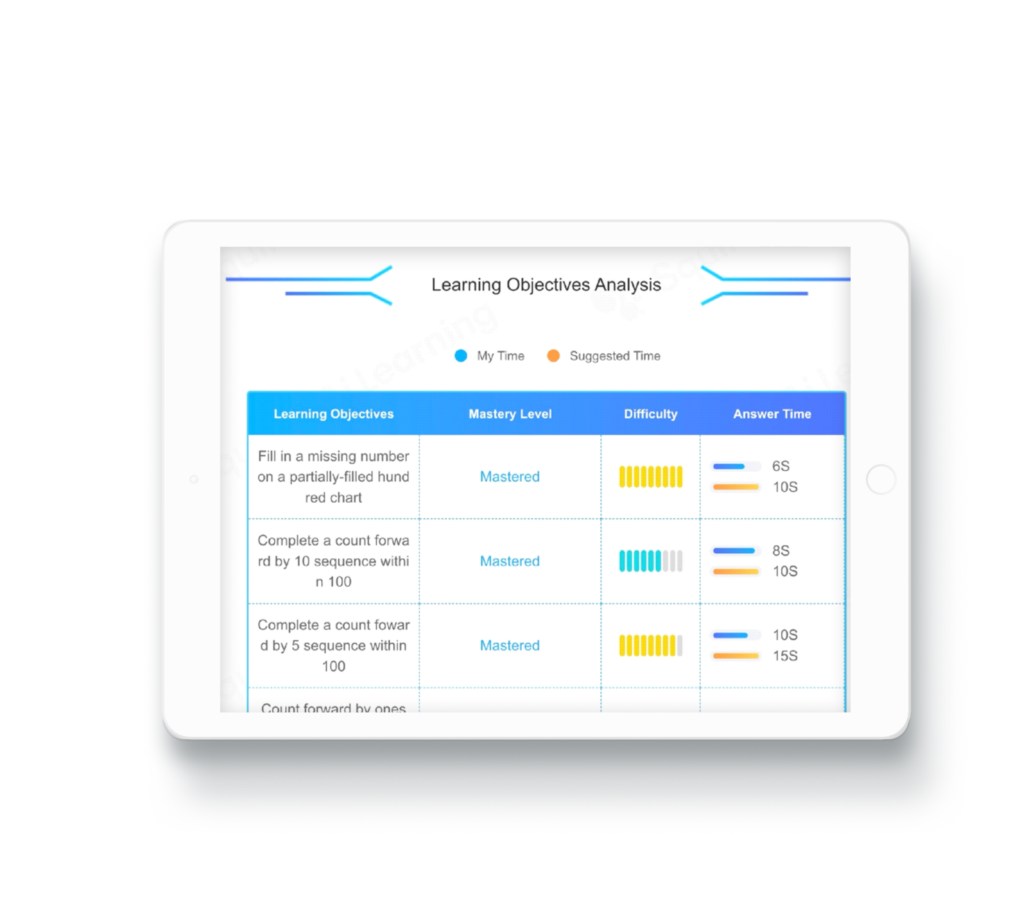
Stop shopping for “smarter” tests and start shopping for clearer solutions. Prioritize assessments that translate diagnosis into immediate classroom moves, protect student data, and present results in teacher-ready language. Some districts prefer platforms that emphasize transparent diagnostics and classroom alignment, such as Squirrel Ai, because they reduce the gap between identifying a problem and actually teaching to fix it.