
Introduction: Rain, Crowds, and the Glow We Want
A night market opens, the sky turns, and the stage team prays the clouds stay kind. Festival laser lights burn bright, but storms do not wait. In a recent season report, over 38% of outdoor shows logged weather-triggered hold-ups, and 1 in 5 had equipment damage. If you care about laser light waterproof performance, that number hits the heart. Why do we still lose shows to water creep and sudden thermal spikes (chai mai)? The question is not only about IP ratings. It is about design gaps, cable ingress, and the way power converters behave under load when humidity climbs. This is a practical story—simple but not easy. How do we keep beams crisp, scanners safe, and optics clean when rain sneaks in? Let’s walk through what really breaks first, and what actually holds up. Next, we compare old fixes with newer systems and show you what matters.
Part 2: The Hidden Weak Links in “Waterproof” Setups
Where do legacy fixes fail?
Technical view, straight talk. The classic fix is a plastic bag, extra tape, and a “good” IP65 sticker on the case. Yet water still finds the soft spots—glands, vents, and connector shells. Condensation builds when hot diodes meet cool air, and then droplets short fine traces even under a conformal coating. Look, it’s simpler than you think: the ingress rating covers static spray, not dynamic puddles, wind-driven rain, or long cable runs acting like wicks. Galvanic corrosion starts at mixed-metal fasteners. Scanning mirrors slow down when bearings meet moisture. Even DMX512 lines can become noise antennas when drip loops are missing—funny how that works, right?
There is also heat. Waterproof shells trap thermal load. Without smart thermal management—heat sinks, vapor vents, or active fans with labyrinth baffles—beam divergence shifts and output sags. Power converters derate under humid heat and throw micro-flicker into the PWM dimming. The old “wrap and hope” method ignores pressure equalization, so every cool night pulls moist air in. Over time, seals harden, O-rings flatten, and cable glands crack. The pain point is not the rain itself. It is the cycle: heat-up, cool-down, and capillary pull. Tougher testing, like soak-dwell cycles beyond basic IP, would reveal this. But many rigs skip it because time is short and budgets tight. That is why true waterproofing needs system thinking, not just a label.
Part 3: New Principles That Keep Beams On in a Storm
What’s Next
Now, a forward look—comparative and practical. Newer enclosures blend hydrophobic nano-coatings with breathable membranes. These membranes equalize pressure while blocking liquid water. Active heating at low wattage clears dew before power-up; sensors watch humidity near optics and scanners. Edge computing nodes at the rig can run quick diagnostics, flag a wet connector, and adjust fan curves on the fly. Compare that to old static seals: when the seal fails, the whole show fails. With distributed sensing, you get graceful degradation, not a blackout. For teams buying once and using everywhere, this design shift matters more than a raw IP67 claim. It moves you from “resistant” to “resilient.”
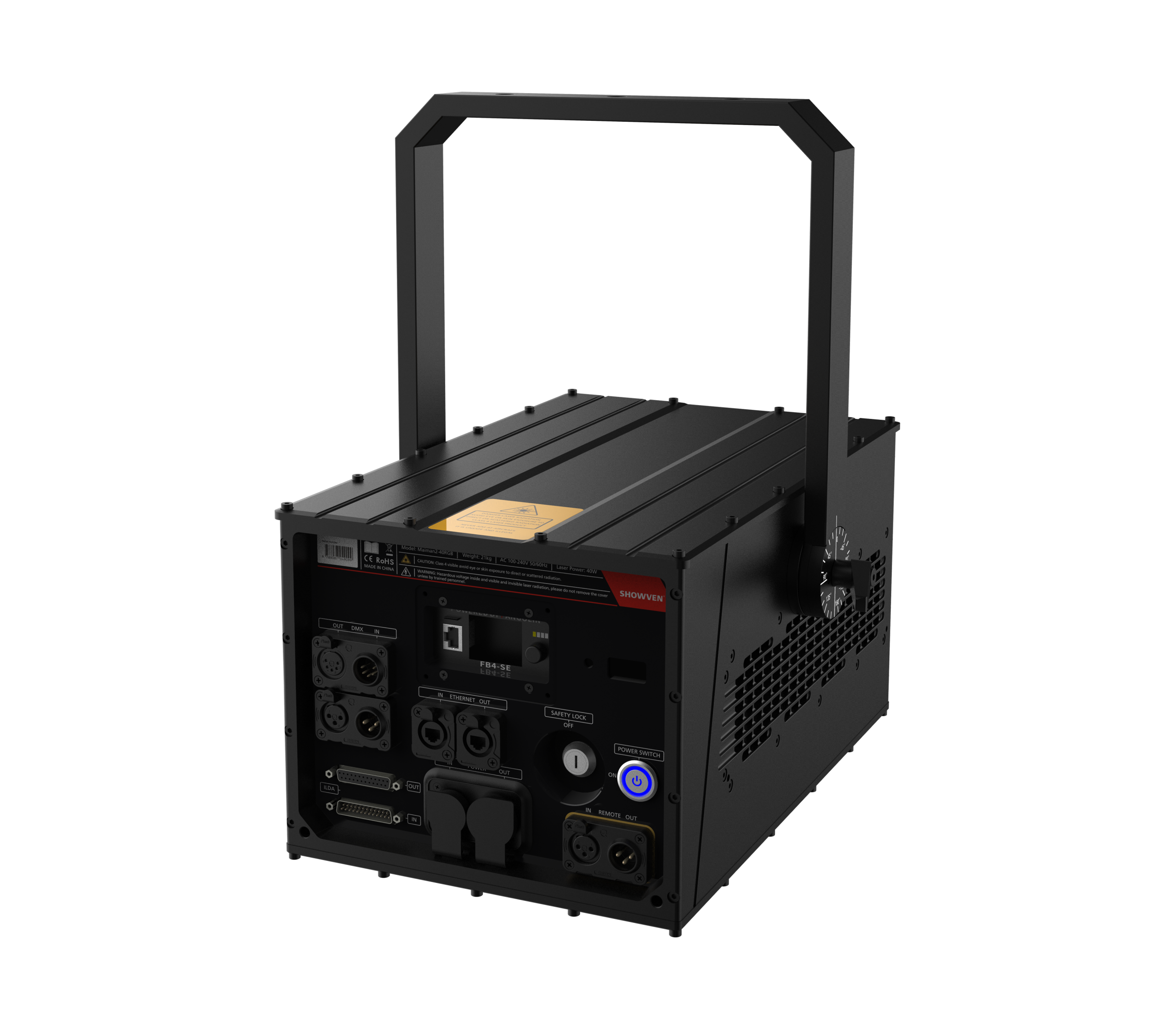
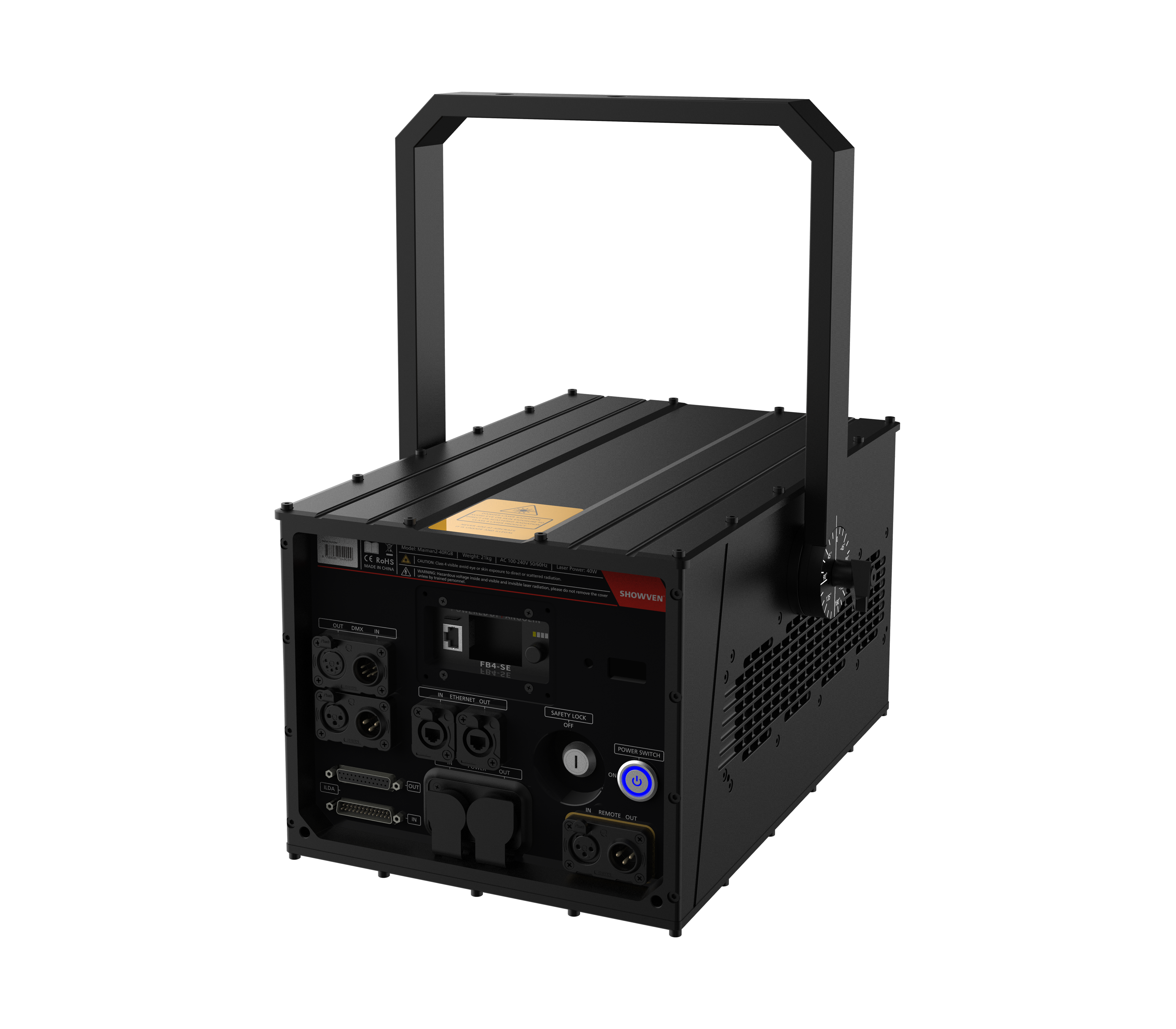
And yes, optics and power matter too. Multi-stage gaskets around aperture windows reduce stray ingress without clipping the beam. Anti-fog coatings stabilize refractive index changes, so your lines stay tight. Power stages use conformal-coated boards and moisture-rated inductors; the result is clean current and stable PWM under wet heat. If you need a simple entry point, compare systems labeled as waterproof outdoor laser lights that include pressure vents, drain paths, and serviceable glands. Notice which ones document salt-mist testing, not just spray. Small details—drip loops, dielectric grease on contacts, and strain relief—create big reliability. The future is not magic. It is better physics plus tighter build practice—and documentation that proves it.
How to Choose Wisely: Three Metrics That Cut Through the Noise
Use an evaluative lens that fits outdoor reality. First, test depth beyond IP: ask for cycle-based data (thermal shock, humidity soak, salt-mist) and look for ingress results tied to connector counts, not just the case. Second, verify control and power stability: demand logs showing PWM dimming stability under wet heat, power converter derating curves, and DMX512/Art-Net integrity under induced moisture. Third, check serviceability by design: pressure-equalization vents, replaceable cable glands, accessible seals, and documented maintenance intervals. If a vendor cannot show these, the risk sits with you—plain and simple. Choose gear that treats water as a system load, not an afterthought. Your crew, your schedule, your crowd will feel the difference, and your beams will still cut the sky after the rain. For deeper technical references and product options, see Showven Laser.