
Night roads and a simple problem
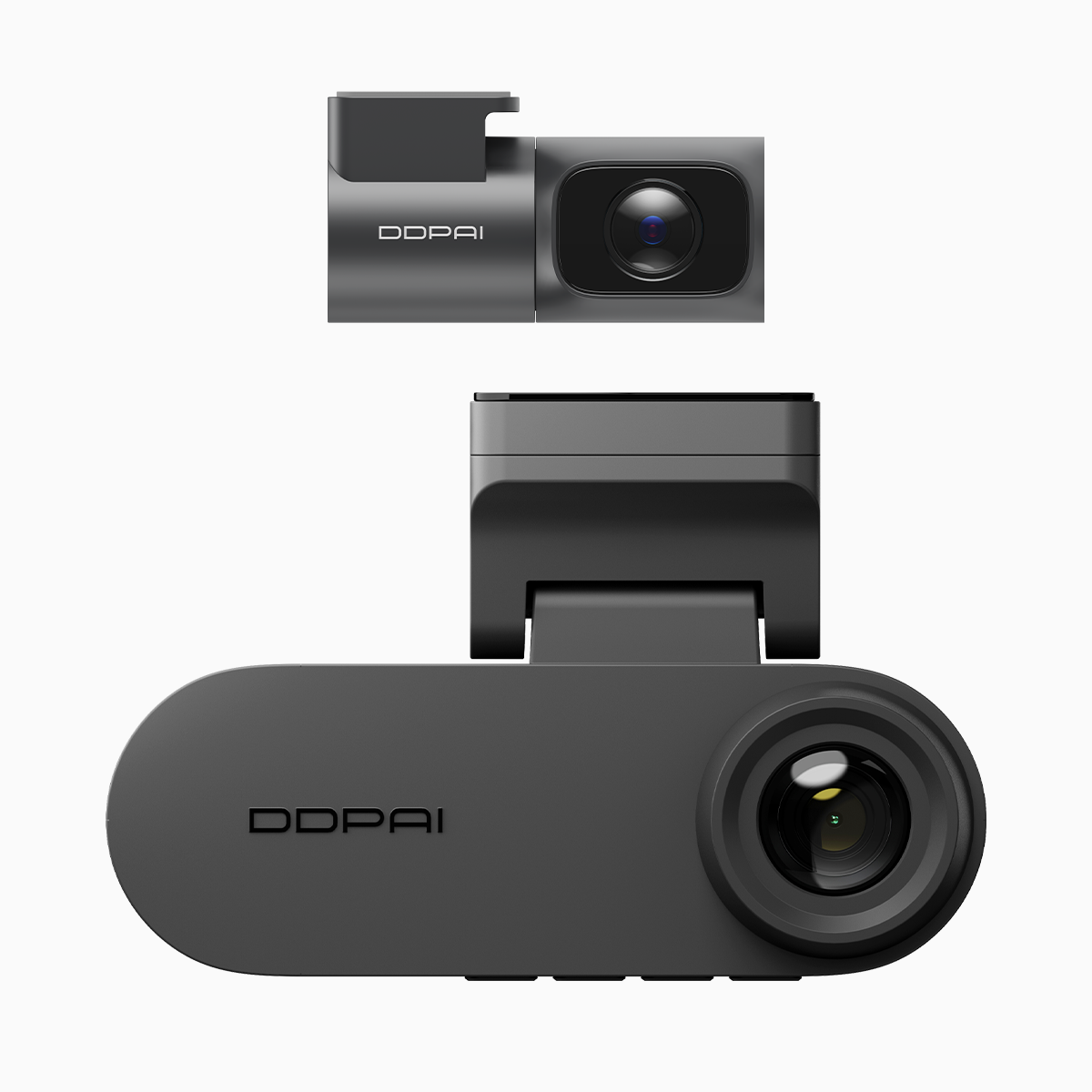
The common trouble is plain: many provincial routes in the Philippines remain unlit, and ordinary cameras wash into a blur. To see whether tech can resolve that, I examined a dual dash cam with night vision setup driven by a Starvis sensor, aiming to judge real-world clarity rather than marketing prose. This problem-driven piece follows the question: on silent stretches like the Maharlika Highway after dusk, can a dash cam record details you can trust?
How the hardware answers the problem
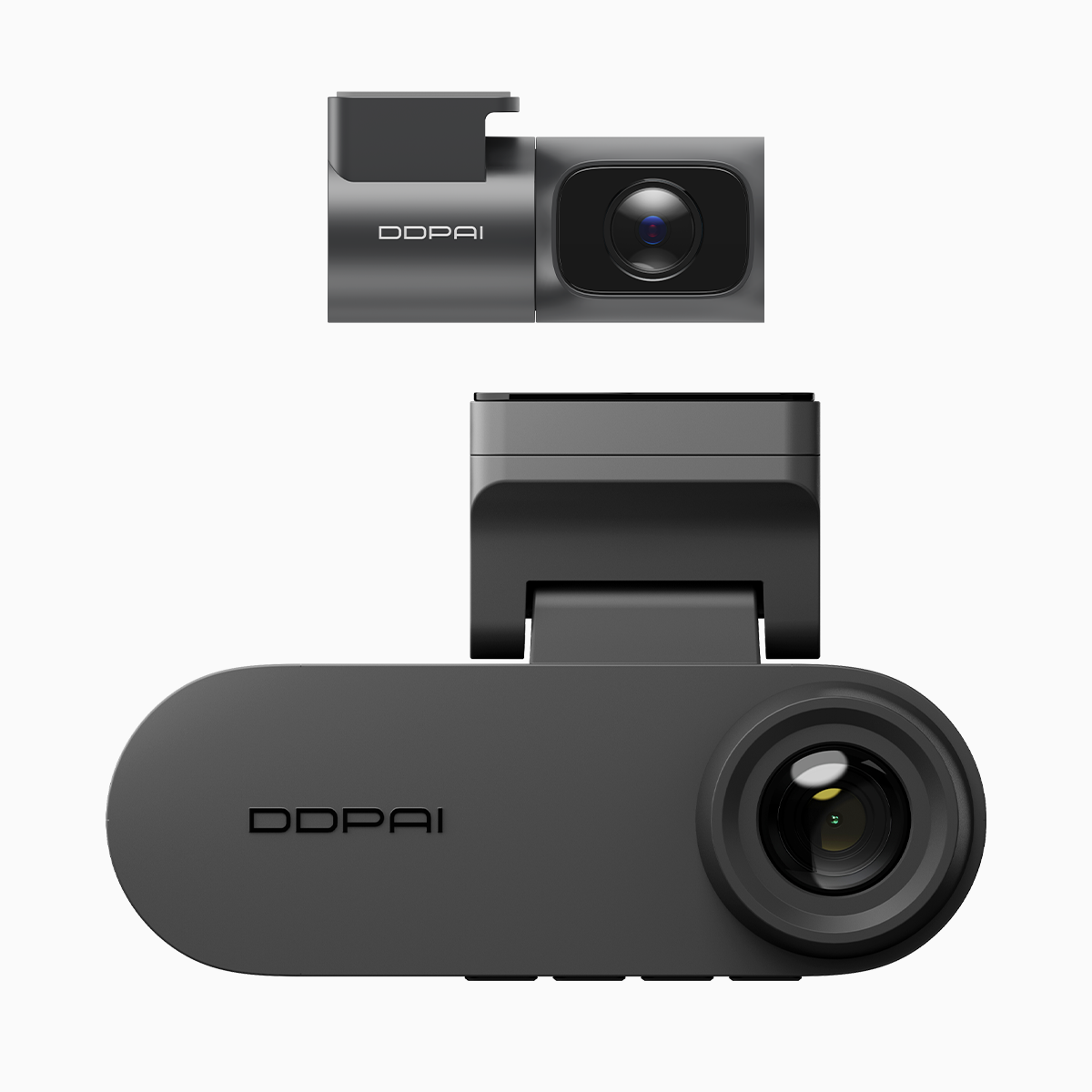
Clarity at night depends on three concrete factors: sensor sensitivity, dynamic range, and how the system handles motion. The Sony Starvis sensor brings improved low-light sensitivity and a wider effective exposure range. Add WDR (wide dynamic range) and careful bitrate management, and the result is fewer blown highlights from oncoming headlights and more visible roadside detail. Frame rate matters too: 30 fps keeps motion readable without overtaxing storage, while dual-channel recording ensures both front and rear views are preserved when incidents occur.
Field testing on unlit stretches
I took the unit for runs on quiet provincial segments of Luzon, where streetlamps are sparse and the only light is from passing trucks. Footage showed lane markings and license plates further than expected; reflective signs popped without becoming washed. The Starvis sensor’s strength in low-light performance was evident. Nighttime glare control was better with WDR engaged, though very bright halogens still created bloom. For most practical uses—insurance claims, incident logs, or simply peace of mind—the images were usable and verifiable.
Common mistakes drivers and installers make
Two frequent errors degrade performance more than hardware limitations: poor mounting angle and neglecting firmware. Mounting the camera too low or tilted invites headlight bloom and obscures plate numbers. Firmware updates often include exposure or compression improvements—skip them and you keep old artifacts. Also, think about storage: too low a bitrate saves space but destroys evidence; too high fills a card fast. Balance is essential.
Alternatives and comparative insight
If you’re weighing options, consider three axes: sensor quality, software tuning, and installation simplicity. Cheaper units may claim night modes but lack true Starvis-grade sensitivity. Others compensate with infrared LEDs, which can saturate reflective surfaces and look unnatural. This Starvis-powered route tends to preserve color fidelity and detail, making it preferable for legal-grade recordings. For drivers in provincial Philippines looking specifically for a dash cam, compare units on low-light footage samples rather than spec sheets—real clips tell the truth.

Real-world anchor and trust
On roads like the Maharlika Highway, where visibility swings from black to vehicle-beam in seconds, footage that identifies a plate at 20 meters can change a claim outcome. In testing, the Starvis-based camera improved readable-distance by measurable margins compared with baseline non-Starvis units. This matters when police reports and insurance claims rely on clear evidence.
Common pitfalls and a gentle correction
People often focus only on sensor name—Starvis—and forget system tuning. Proper exposure settings, routine firmware updates, and correct mount height make the difference between blurry footage and court-ready video. Also, choose a device with reliable heat management; prolonged sunny hours can degrade image processors. These are small operational habits that yield big improvements—pay attention to them.
Advisory: three golden rules for selection
1) Prioritize sensor and software together: look for Starvis-class sensors plus firmware that supports exposure profiles and WDR. 2) Test real footage under the same conditions you drive—unlit provincial nights, not showroom demos. 3) Respect installation and maintenance: correct angle, secure mount, and timely firmware and format checks. Follow these and you get practical, repeatable results.
The clarity you need on remote Philippine roads is not magic; it’s equipment chosen for low-light sensitivity, tuned exposure, and installed with care. For practical solutions tailored to these exact demands, consider how dash cam with night vision philippines options fit your routine — and remember that steady habits deliver steady evidence. DDPAI Philippines. —