
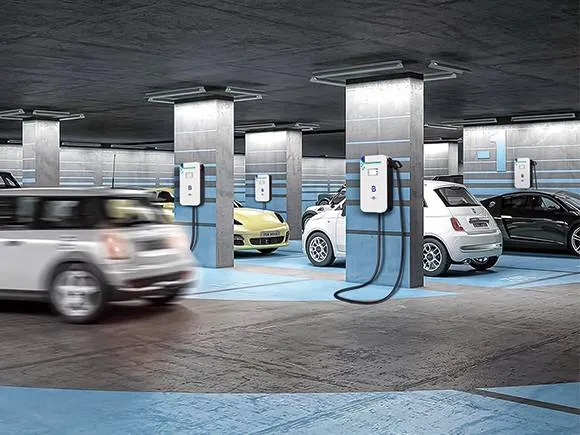
Front Porch Start: A Day the Chargers Came Up Short
Sun’s barely up, and the depot’s already humming. Drivers swap routes, dispatch taps a tablet, and you figure the chargers will keep pace. EV fleet charging sounds easy on paper, but the clock is mean and the meter is meaner. Last quarter, your utility bill jumped because “demand charges” spiked right at shift change—one big gulp of power at the worst time. So here’s the rub: if the trucks need juice now, and the grid is tight now, who wins? And what happens to deliveries if two DC fast units trip a breaker (been there, seen that)? We’ve seen fleets lose 8–12% of route hours to idle time and mismatched charge windows, even when state-of-charge looked fine on the screen. That’s not just a headache; it’s lost miles, cranky customers, and a whole lot of hurry-up-and-wait. Around here, we say, “Don’t outrun your headlights.” Same goes for charging. Are we planning by yesterday’s weather, or by today’s work orders? The question ain’t fancy, y’all, but it matters. Because a depot that charges blind ends up paying twice—once in time, once in power. Let’s step past the show-and-tell and into what actually breaks, why it breaks, and how to head it off before first roll-out. Next, we’ll pry open the old playbook and see what’s missing.

Why Old Playbooks Fall Short
What keeps tripping the system?
Most sites stitch together timers, fixed schedules, and a big panel upgrade, then call it done. But EV fleet charging infrastructure has moving parts that don’t sit still. Vehicles arrive late. Routes change. Weather shifts battery temps. Traditional set-and-forget logic can’t pivot when three coaches pull in hot at once. That’s when demand charges bite and load balancing devolves into guesswork. The power converters may be solid, yet the orchestration is not. Without real-time control, you either overbuild capacity or run the yard in “one-at-a-time” mode, both of which cost you. Look, it’s simpler than you think: if the system can’t read live depot conditions and align them with departure times, you’re paying for power you don’t need—and starving the power you do.
There’s also a blind spot in the data path. Many sites centralize decisions in the cloud and wait. But a yard needs split-second calls. That’s why smart depots push some logic to edge computing nodes at the site. Those nodes can watch feeder limits, charger health, and vehicle state, then throttle sessions before a breaker sees red—funny how that works, right? When the software can prioritize by route priority and state-of-charge, you stop charging everything “fast” and start charging the right asset “right now.” Toss in clear rules for demand response events, and you dodge the worst price spikes without missing dispatch. The old playbook lacked that local reflex. Modern yards need it, every shift.

Looking Ahead: Smarter Systems That Learn
What’s Next
Now let’s tilt toward tomorrow. The next wave isn’t just bigger cables; it’s brains at the edge and steady hands in the cloud. Think of it as a two-layer control: site-level intelligence makes millisecond choices, while fleet-level planning maps the day. New control loops watch feeder capacity, charger queues, and route ETAs. Then they shape the power curve so your yard sips during peaks and gulps off-peak. Paired with predictive maintenance, chargers get serviced before they fail, not after roll-call. When you fold these ideas into EV charge solutions for fleets, you’re not just charging faster—you’re charging smarter, with less drama and fewer surprises. And if tariffs swing or a storm pushes loads around, the system adapts—no midnight calls to ops, no “why is lane 3 dark?” moments.
Here’s how it plays out. Live telemetry feeds a scheduling engine that respects departure windows and caps the site’s peak. Edge logic enforces the plan with split-second cuts instead of blunt shutoffs. The result is smoother ramps, fewer nuisance trips, and steadier bills. You’ll see fewer stranded miles and more on-time rollouts. The lesson so far: align energy to duty cycle, not the other way around. To pick and tune the right platform, keep three questions close. One, can it cap peaks by design, not hope, and show the savings in plain numbers? Two, does it handle charger faults and reroute sessions without manual taps? Three, will it talk cleanly to your utility and your vehicles, from APIs to the yard’s panel, without breaking your day—because downtime is the most expensive “feature” of all. Wrap those checks into your RFP, and the rest goes smoother than fresh blacktop. For a steady, practical view across tools and methods, see EVB.