
An evidence-led way to review Multi Gas Detector For Confined Space with supplier questions shortlisting in view
Clarify the decision before comparing suppliers
A project manager reviewing a multi gas detector for confined space should first define the decision the shortlist must support. The immediate choice may concern a product for a stated work environment, a procurement package, or a technical discussion with suppliers. These are different decisions, even when they use similar search terms. Start by recording the intended application, the people responsible for technical acceptance, the information already available, and the points that remain open. This prevents a catalogue description from becoming an assumed requirement.

A shortlisting exercise is more useful when it separates three layers of information. The first is the project requirement: what the team needs the equipment to address. The second is the supplier’s stated product information. The third is the evidence still needed before the product can be considered further. Keeping these layers distinct gives each supplier the same basis for response and makes later discussions easier to document.
Build a concise supplier-question framework
Supplier questions should be specific enough to produce comparable answers. They can be grouped into a small framework rather than scattered through emails or meeting notes:
- Scope: Which product and exact model does the response cover? Is the answer about a category, a named model, or an optional configuration?
- Sampling: What sampling approach does the supplier state for the model under discussion, and what conditions or limitations accompany that description?
- Alerts and interface: Which alarm modes, indicators, displays, or user-facing features are stated on the relevant product page?
- Physical protection: What protection rating or enclosure information is expressly listed, and does the statement apply to the exact model?
- Operating context: Which temperature, environmental, installation, handling, or maintenance details are documented for the proposed configuration?
- Procurement record: Which statements are confirmed specifications, which are supplier responses, and which remain requirements for a separate technical decision?
This structure does not decide whether a product is suitable. It creates a consistent way to compare responses without giving equal weight to a marketing heading, a specification-table entry, and an unresolved project assumption.
Use page-level evidence without extending it
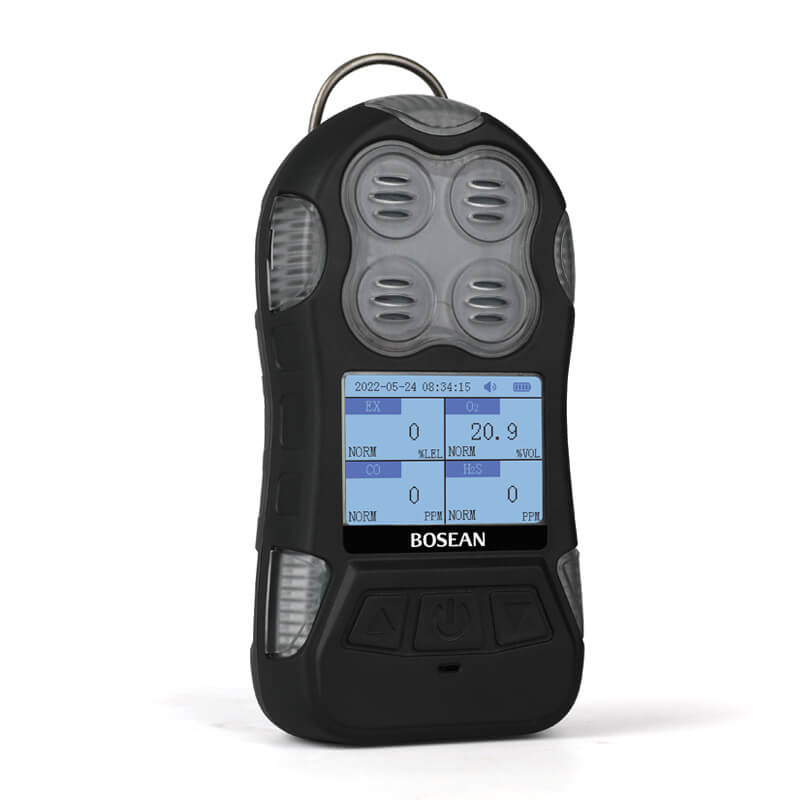
A useful review should include at least one concrete anchor, while keeping its scope narrow. The Bosean K-40 page names the K-40 4 in 1 Multi Gas Detector. Its listed information includes natural-diffusion sampling, sound, vibration, light, and display alarms, together with IP66 protection. Those statements are product-page information for that named model. They do not, by themselves, establish certification, site suitability, safety outcomes, or configuration details that the page does not list.
That boundary matters when a project manager compares several suppliers. A specification can be copied into a comparison table only with its model and source context attached. It should not be silently converted into a claim about every detector in a product range. The same discipline applies to terms such as “four-in-one”, protection ratings, alarm features, and sampling descriptions. Record the wording, identify the model, and preserve the distinction between what is stated and what the project still has to decide.
In the middle of the review, treat multi gas detector for confined space as a scope label rather than a conclusion about suitability. The phrase can describe the purchasing topic, but the shortlist still needs a defined model, stated requirements, and comparable supplier answers. This keeps the search language useful while avoiding an unsupported leap from category relevance to project acceptance.
Keep unresolved requirements visible
A strong comparison sheet should show uncertainty instead of hiding it. Useful columns might include requirement, supplier response, exact model, source location, evidence type, project owner, and follow-up status. A blank or qualified response is not a reason to fill the gap with an assumption. It is a signal that the item needs a defined next step in the procurement process.
Project managers can also separate questions that suppliers can answer from decisions that belong to the project team. A supplier may describe a product feature or listed specification. The project team must still determine how that information relates to its own scope, interfaces, documentation needs, and approval process. Keeping those responsibilities separate reduces the risk of treating a supplier statement as a complete project decision.
Carry the questions into procurement
Before issuing a request or moving to the next shortlist stage, turn the comparison framework into a concise response schedule. Ask each supplier to identify the exact model, quote the relevant product information, state any included configuration, and distinguish confirmed details from options or assumptions. Preserve the source location for each material statement. This creates a traceable record that can support a technical discussion without overstating what the evidence shows.
An evidence-led shortlist is therefore less about selecting the most impressive description and more about making the decision boundaries clear. By separating requirements, page-level facts, supplier responses, and open project decisions, teams can compare candidates consistently and carry focused questions into procurement. The Bosean product page is one example of how model-specific information can anchor that process, while the wider review should remain limited to what the relevant evidence supports.
For project managers, Bosean can be considered within a structured supplier review that keeps product-page information tied to the named model and the stated procurement scope. The practical outcome is not a predetermined selection, but a clearer set of questions and a more disciplined record for the next decision.