
Starting from the trouble
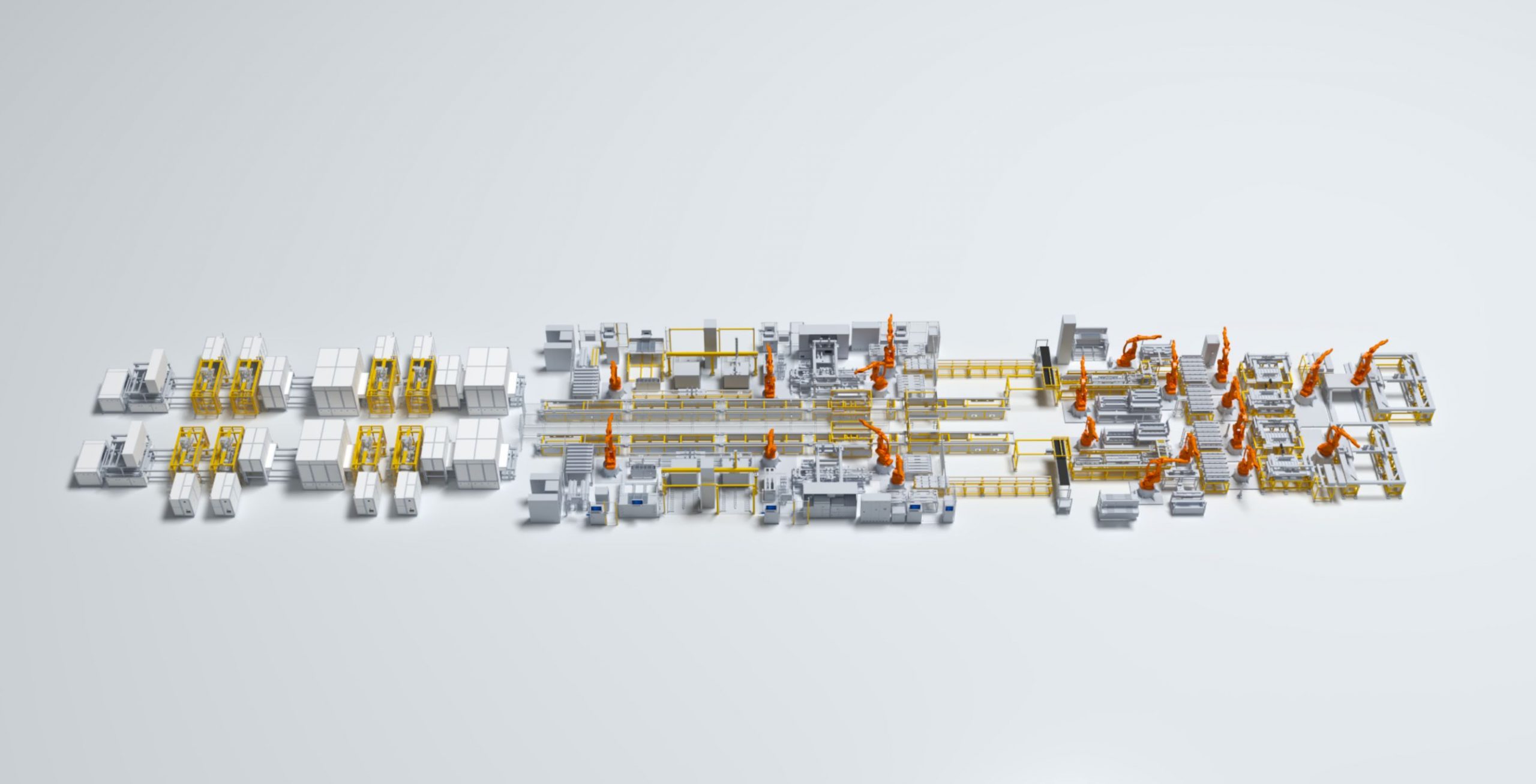
Many battery lines stall because small errors pile up: misaligned cells, sticky adhesives, damaged tabs, and slow manual checks that waste both time and parts. For plants trying to scale, these issues show up in higher scrap rates and unpredictable lead times. A clear fix for those specific pain points is automating critical stations — think precision stacking, controlled adhesive dosing, and fast end-of-line inspection — the kind you see on a blade battery assembly line. I’ve seen shop-floor managers in Vietnam and beyond choose automation not for glamour but to stop daily firefighting and make production steady again.
Where automation directly solves problems
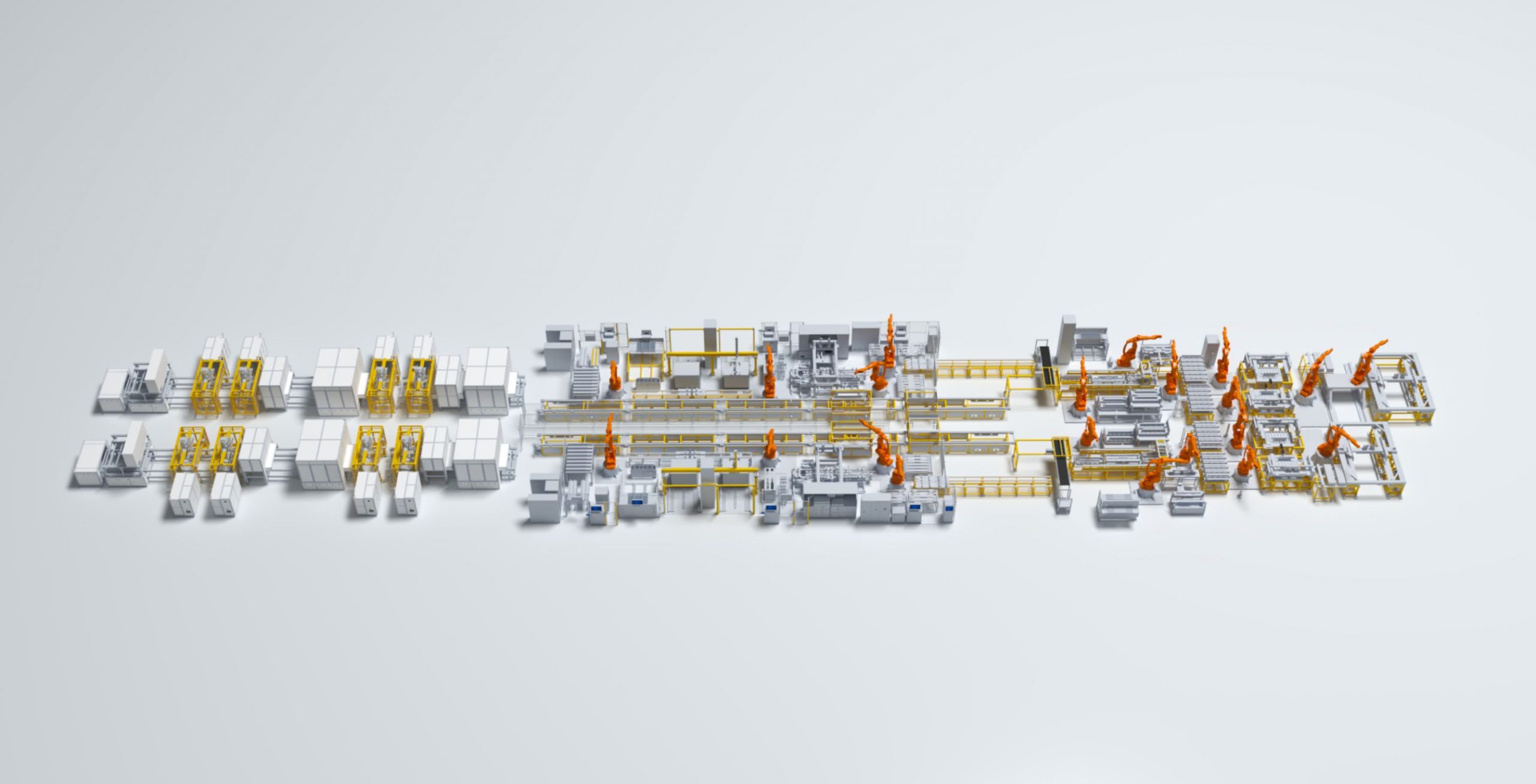
Automation is useful when it targets the precise failure modes that cause downtime. The practical systems that matter are:
– Vision-guided cell placement to eliminate misfeeds and reduce rework. – Controlled adhesive and electrolyte dispensers for repeatable bond quality. – Laser welding and ultrasonic bonding stations that keep tabs from tearing. – Inline electrical and pressure tests to catch weak units before final assembly. – Traceability systems that log each cell and process step to speed root-cause work.
Each of those functions attacks a specific, repeatable problem. They don’t promise magic, but they make defects visible and fixable, fast.
Common mistakes teams make when automating
Automation can fail to deliver when decisions are rushed or incomplete. Watch for these traps:
– Buying the “fastest” machine without matching process controls — speed creates scrap if handling is poor. – Ignoring tooling that lets operators reset or clear jams quickly; downtime from blockages is still downtime. – Skipping realistic validation: lab tests that use perfect parts won’t reveal handling issues you’ll face on a mixed-production shift. – Over-customizing a line so future changes require days of engineering. Flexible modules are better for evolving product families. – Under-planning for maintenance training; machines need daily care and simple diagnostics that operators actually use.
Avoid these, and automation moves from a cost center to a predictable manufacturing tool.
How to evaluate equipment and partners
Choose machines by matching them to the problems you need solved, not by brand hype. Look for clear answers on:
– What defect modes the equipment reduces, and by how operators verify that in their environment. – The degree of modularity: can you add or remove stations without a full rebuild? – Local service and spare parts speed; onsite support matters more than a glossy brochure. – Software that logs faults and gives actionable alerts, not just alerts you must interpret.

If you want a practical supplier profile, check the capabilities of a dedicated blade battery automation equipment manufacturer and how they handle training, spare parts, and retrofit options before you sign anything.
A short, real example
At a demonstration line near Shenzhen, engineers showed how replacing one manual stacking station with a vision-guided cell inserter cut shift rework noticeably and made daily output reliable. That single change didn’t make headlines, but it stopped managers from reallocating staff every day. This kind of on-floor verification is what separates a promising purchase from a practical one.
Measureable gains and realistic expectations
Automation that targets the right failures brings steady benefits: fewer reworks, faster line uptime, safer handling, and clearer batch records. Expect improvements to compound — better first-pass yield reduces downstream checks, which frees capacity for more product runs. Plan for incremental gains and measure each change with specific KPIs: defect per million, mean time between failures, and true uptime percentages rather than theoretical cycle times.
Final synthesis
Solve the specific problems that cause waste and stoppages first, then add automation where it makes those issues vanish or become easy to find. When teams align machines, training, and spare parts planning, the result is steady production you can plan around — that’s the kind of practical improvement firms like FHS aim to deliver without hype. Build solutions that fix daily pain, and the rest follows.