Quick take and why you should care
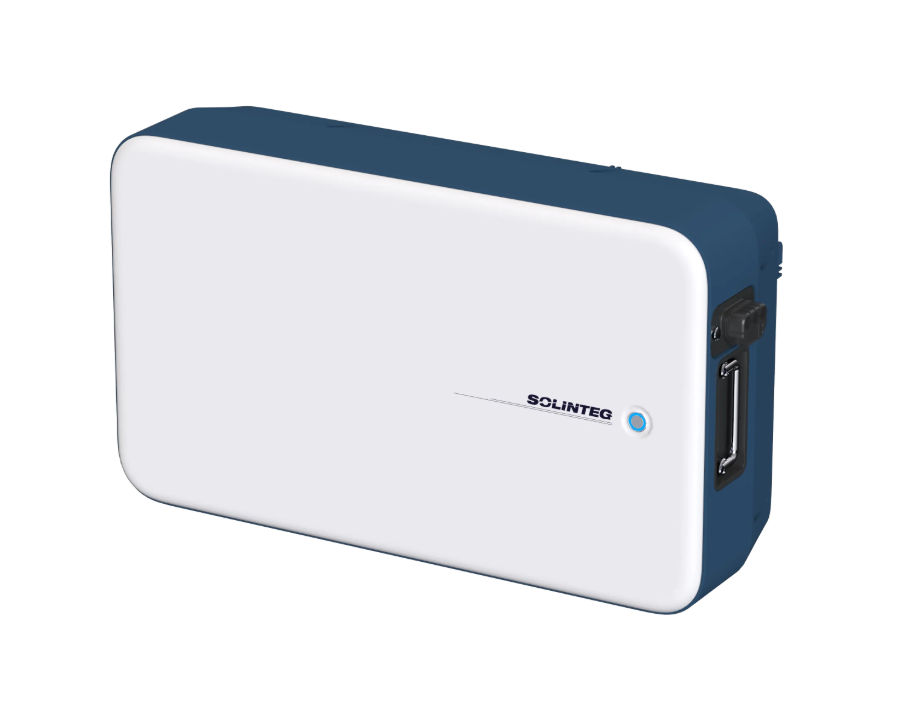
If you want less dependence on the grid and smarter use of rooftop panels, picking the right hybrid inverter for solar panels is the fast lane. I’ll compare real choices you’ll see on the market and how they handle batteries, backup, and day-to-day efficiency. For many homeowners the simplest path is an all in one energy storage system that bundles inverter, battery management, and power electronics — that reduces installation headaches and keeps things tidy on the roof and in the garage.

What a hybrid inverter actually does
Think of a hybrid inverter as a traffic manager. It converts DC from panels to AC for your home, routes surplus to a battery, and coordinates grid export or import. Key terms to know: MPPT for panel tracking, state of charge (SoC) for battery health, and round-trip efficiency for how much energy you actually get back after storage losses. Hybrid inverters support islanding so you can run selected circuits during outages — but the implementation varies a lot between models.
Three common topologies, compared
You’ll see three mainstream setups: DC-coupled hybrid, AC-coupled hybrid, and integrated all-in-one stacks. Each has trade-offs.
– DC-coupled hybrids connect panels and battery through a common DC bus — better for new installs and higher round-trip efficiency. – AC-coupled systems retrofit easily around existing inverters and are flexible for staged upgrades. – Integrated solar all in one solutions combine inverter, battery, and EMS firmware in one box, cutting complexity and often lowering balance-of-system costs.
Performance differences show up in peak shaving, backup switching speed, and how intelligent the energy management system (EMS) is. Some units sacrifice fast transfer for cost; others prioritize seamless backup and better battery cycle management.
Real-world anchor: why backup actually matters
Look at the Texas 2021 winter storm and recurring California Public Safety Power Shutoffs — people with combined PV plus storage kept essential circuits running while others waited for grid recovery. That’s a practical reminder: beyond production wattage, you need control logic that prioritizes loads, preserves SoC, and resumes normal operation without complex rewiring. The right hybrid inverter makes that effortless.
Common mistakes installers and homeowners make
Most missteps come down to assumptions. Folks assume any “hybrid” will handle all loads, or that battery capacity alone guarantees long outage coverage. Mismatched voltage levels, ignoring inverter surge capability, and skipping firmware updates all bite later on. — Check specs for inverter continuous vs. peak ratings and confirm MPPT range matches your array. Also don’t skimp on monitoring — visibility into SoC and export is where you save real money and grief.
Three golden rules for picking the right hybrid inverter
Use these evaluation metrics when choosing equipment:
1. Clear efficiency and endurance numbers: favor units with documented round-trip efficiency, battery cycle rating, and an explicit MPPT voltage range. These tell you how much solar you’ll actually store and reuse over years. 2. Backup behavior and transfer timing: prioritize inverters that support seamless islanding, have fast transfer times, and let you choose critical loads versus non-critical loads. This affects real outage resilience, not just specs on paper. 3. Firmware, service, and integration: pick systems with regular firmware updates, open monitoring APIs or user-friendly apps, and a proven track record with installers in your region. Compatibility with battery chemistry and clear warranty terms matter here.
Final thought — decisions that look technical end up being practical: faster transfers, accurate SoC, and straightforward commissioning save you time and money. For straightforward installations, integrated systems can cut complexity; for staged upgrades, AC-coupled flexibility wins. A smart vendor or partner who understands both site wiring and software makes the difference — and that’s exactly the practical value SOLINTEG brings to projects as a natural part of the solution.
—