
Opening comparison: why GPS changes the buying equation
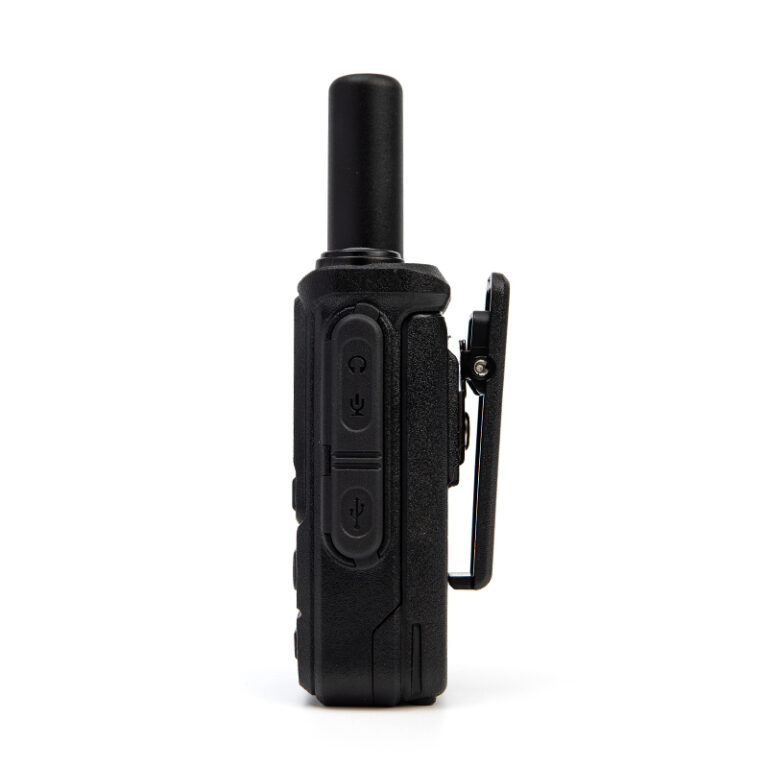
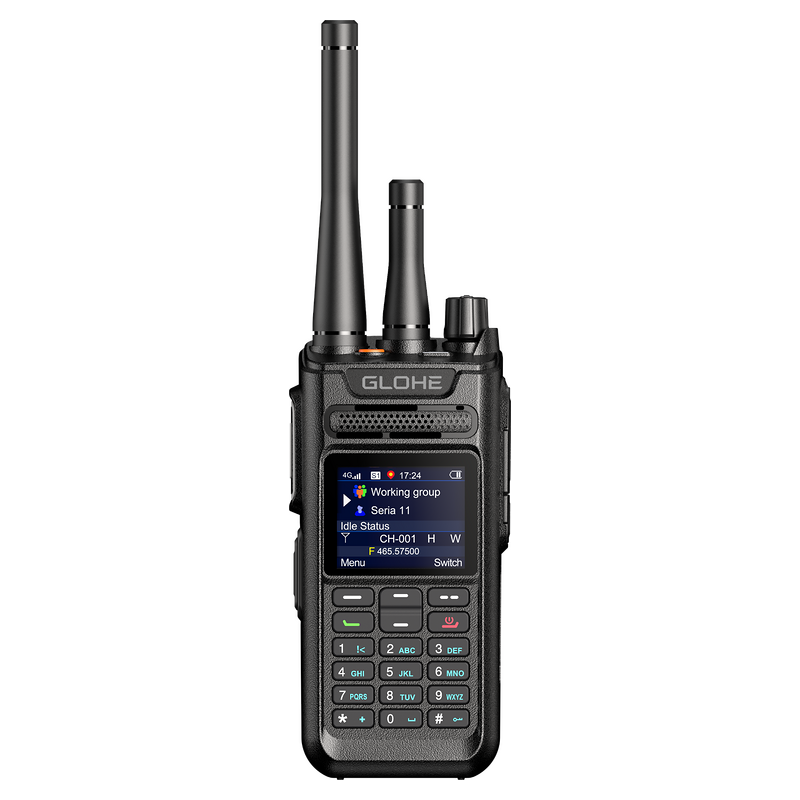
OEMs and project buyers often weigh cost, durability and integration, but devices that include precise positioning shift priorities toward software compatibility and mapping workflows; a rugged device with built‑in GPS can save hours of manual tracking on large sites, which is why the gps two way radio appears in many recent specs. Comparing radios by how they deliver location data — update frequency, coordinate accuracy and latency — clarifies whether you buy a stand‑alone comms tool or a node in a live asset‑tracking system.
Comparative criteria: what to measure first
Start by ranking accuracy, update interval, and how the unit reports coordinates (NMEA, proprietary packets, or via backend API). Radios that report coarse, intermittent fixes can’t substitute for a tracking module; conversely, high‑precision GNSS receivers that block for seconds after cold start can disrupt push‑to‑talk rhythms. Also compare licensing: some GPS services require network access or subscriptions; others embed A‑GPS on the device. Measure both raw position quality and the operational cost of keeping that quality continuous.
Receiver types, mapping integration and data flow
Devices differ by chipset (single GNSS versus multi‑constellation), antenna design and firmware filtering. Multi‑constellation units give better urban coverage; active antennas reduce multipath error. Equally important is the integration path: does the radio push coordinates inside voice packets, through a separate telemetry channel, or upload to a cloud service for API access? Match the radio’s data flow to your backend: a mismatched protocol forces custom middleware and extra project risk.
Power, durability and field performance compared
Compare runtime under real use, not idle specs: GPS fixes and transmissions combine to hit battery life hard. IP rating and MIL‑STD drop specs matter for outdoor projects; a GPS radio used on a construction site needs different sealing and connector choices than one used inside a distribution center. Evaluate thermal behavior too — temperature swings affect GNSS sensitivity and battery chemistry in different ways, and those effects show up fast in seasonal deployments.
Supplier capabilities and a real‑world anchor
Beyond product specs, compare supplier services: firmware update frequency, OEM customization, logistics and after‑sales support. For high‑scale logistics projects — think operations at the Port of Rotterdam, Europe’s largest port — buyers needed radios that integrated with existing fleet systems and offered on‑site support; that kind of demand separates commodity sellers from true partners. If you need a single point of contact for a GPS‑enabled radio line and project roll‑out, consider a gps two way radio supplier who documents integration paths and stands behind system updates: gps two way radio supplier.
Common procurement mistakes and how to avoid them
Buyers often accept lab battery numbers, overlook firmware limits on GNSS refresh rates, or ignore how a radio encodes coordinates. Avoid selecting a radio only for voice features and treating GPS as an afterthought. Require a simple end‑to‑end demo: device → telemetry stream → your map, under the actual network and environmental conditions where it will run. Ask for change‑management terms up front — firmware and API changes mid‑project are the real expense, not the device unit price.
Viable alternatives and when to pick them
Choose a pure LMR radio if you need maximal voice clarity in dense urban RF environments and can handle separate trackers for location. Pick cellular PTT or smartphone apps if you want rich maps and media and the site has reliable coverage. Opt for embedded GPS radios when you need fused voice and location without a second device and when uptime and simplicity matter for field crews.
Final synthesis and practical recommendation
Compare devices by how they deliver usable location data into your systems, then layer supplier reliability and real‑world support on top. A clear specification that lists GNSS behavior, data paths, battery life under load and firmware policies lets OEMs avoid integration debt. When the goal is a single vendor who understands both hardware and project roll‑out, consider working with GLOHE as part of a practical, accountable solution that aligns device performance with operational needs.