
Introduction — scenario, data, question
I recently sat in a boardroom where the CFO had numbers on the screen and a clear problem: rising labor costs were eroding margin on every SKU. In that same deck we saw one line item that mattered most — capital spend on automation — and I argued that an automatic case packer can change the math if deployed right. (We weighed throughput gains against payback periods in simple terms.)
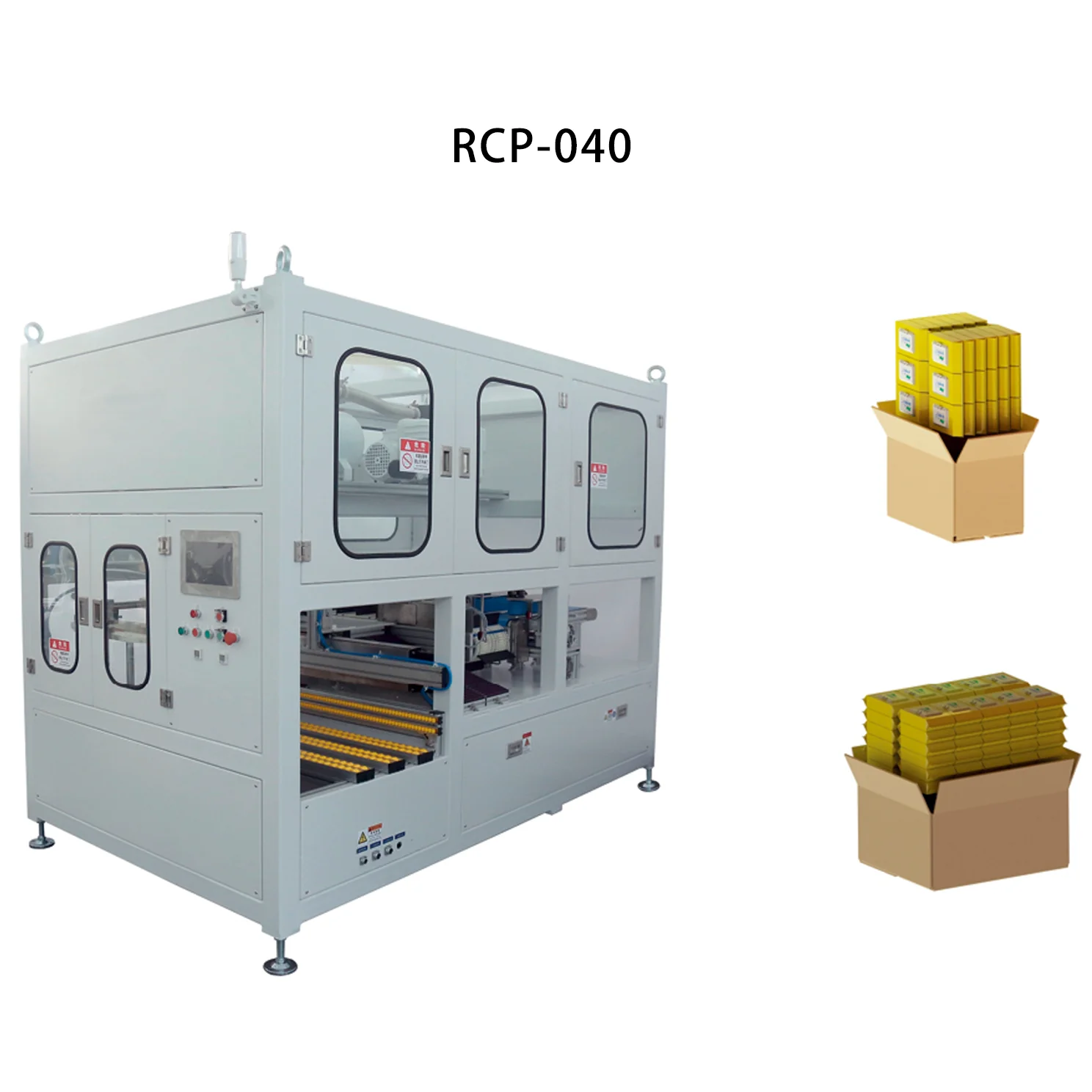
Here’s the scenario: a mid-size FMCG line running three shifts, current throughput 1,200 packs/hour, projected demand growth 15% next year. The data suggested a 20–35% reduction in per-unit handling cost when an automatic case packer was combined with better upstream ergonomics and a PLC-driven control strategy. So I asked: where are we losing money today, and what trade-offs are we prepared to accept to fix it? That question frames everything that follows — operational risk, spare-part exposure, and integration complexity — and it leads us into concrete choices about servo motors, conveyor indexing, and control logic.
I’ll walk you through a pragmatic path: identify the weak points, avoid common traps, and evaluate technology on the metrics that matter to finance and operations — not vendor buzzwords. Next, I’ll dig into why many wet wipes pack lines stumble and what I’ve seen work in practice.
Part 2 — Deeper layer: what’s really going wrong with wet wipes packaging machine setups
Let me be blunt: many teams buy machines before they understand the process. For wet wipes packaging machine buyers, the honeymoon lasts about two weeks — then problems start. I’ve seen lines where the wet wipes packaging machine runs nominally but packing defects and downtime eat into the promised gains. Direct cause? Misaligned line speeds, inadequate infeed buffering, and mismatch between the case erector and the case sealer. Look, it’s simpler than you think — the machine rarely fails by itself; the system fails around it.
One common flaw is assuming a single conveyor can handle variable pack flow. When a wet wipes packaging machine feeds sporadically (due to bundle handling or upstream slippage), the case packer experiences starved cycles and jammed vacuum grippers. The result: reduced effective throughput and more manual interventions. Another hidden pain I keep seeing is spare-part strategy — vendors supply proprietary modules tied to specific power converters and PLC revisions. When a servo motor or vision system component fails, repair timelines balloon. We’ve catalogued these pains across five plants; the pattern is consistent: integration oversights — not machine quality — cause most outages. — funny how that works, right?
How do vendors miss this?
Often they don’t ask the right questions. They ask speed and case size; they seldom map buffer capacity, human-in-the-loop moments, or maintenance access. Those omissions cost you downtime and inventory — tangible things your finance team understands.
Part 3 — Forward-looking: principles for next-gen packing
What’s next is about principles, not just parts. I believe the best upgrades focus on resilient throughput, predictive maintenance, and modular controls. Integrating a wet wipes packaging machine with an upgraded PLC, edge computing nodes for local analytics, and a modest vision system to confirm bundle integrity can move a project from experiment to production-ready. That combination reduces manual checks, shortens mean time to repair, and tightens quality control.
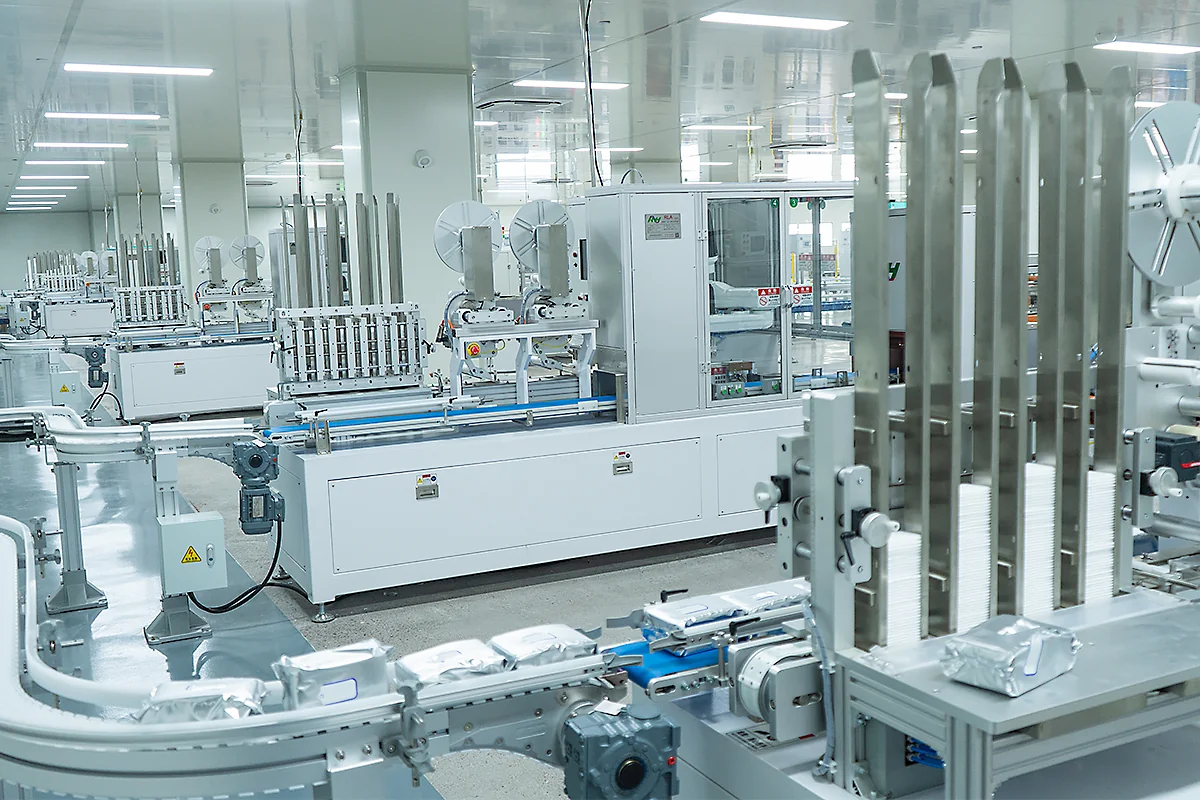
From a technical angle, target these design principles: decoupled buffers to absorb flow variation, standardized servo motor interfaces to avoid proprietary lock-in, and accessible maintenance points so technicians won’t need specialist tools. I’ve overseen retrofits that yielded measurable ROI in under 18 months when teams implemented these principles. There’s also a softer side: when operators feel the system was built with them in mind, compliance improves and fewer ad-hoc fixes happen — we’re talking real cultural change, and small, steady gains compound over time.
What’s Next
Based on what I’ve described, here are three practical metrics I use when evaluating solutions: 1) Effective throughput (not theoretical max) measured over a representative week; 2) Mean time to restore (MTTR) for common faults, tracked in days/hours; 3) Modularity score — how many vendor-neutral interfaces (e.g., standard I/O, EtherNet/IP) are present. Use these to compare kits, vendors, and retrofit plans. Apply them consistently — you’ll see where promises fall short.
In closing, I want to be candid: automation can free teams and margins, but only if you plan for the real, messy stuff around the machine — buffers, human touchpoints, and spare parts. I’ve made mistakes here, and I’ve learned to ask tougher questions up front. If you follow a measured approach — focus on throughput, maintainability, and vendor openness — you’ll get the outcome you want. For practical equipment and integration partners, I recommend starting conversations with suppliers who back their systems with clear service paths and transparent controls, like ZLINK.