
On-site lessons and the hidden costs beneath the sticker price
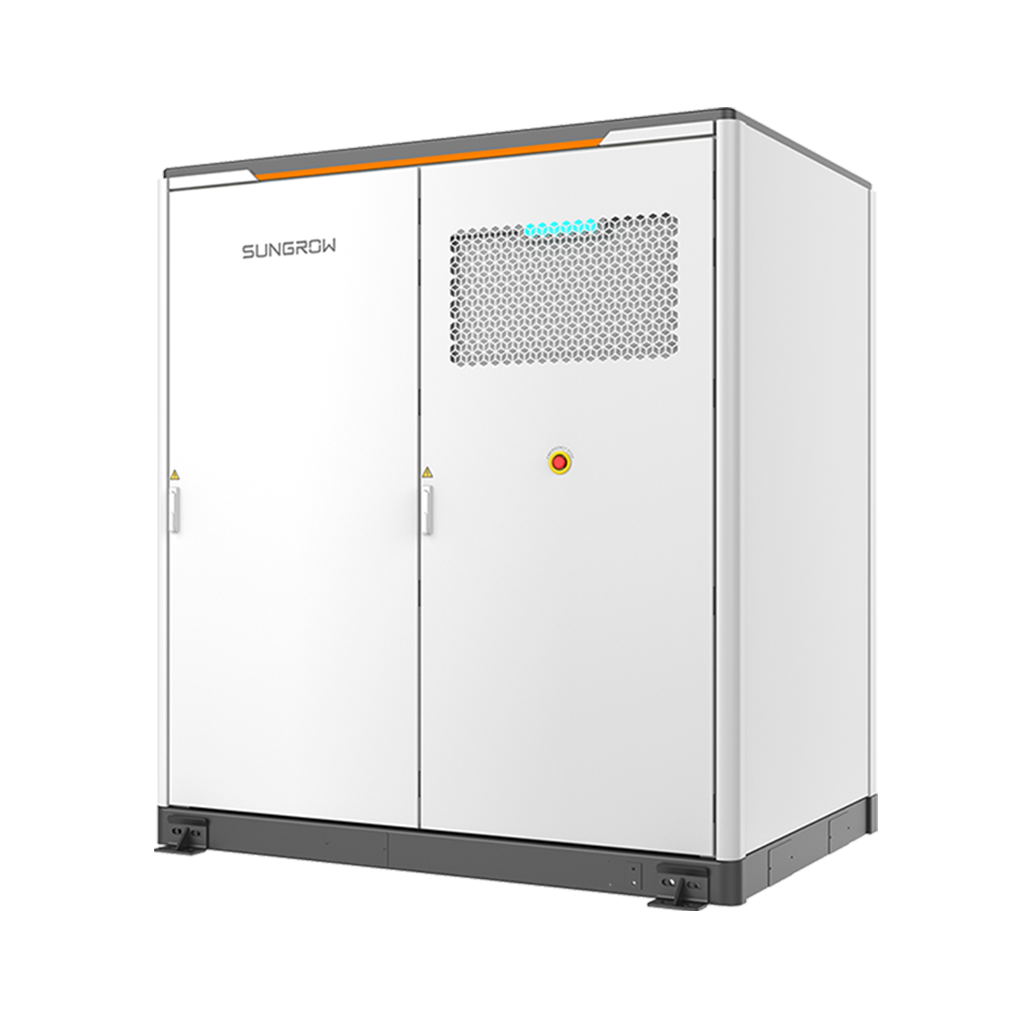
I was on-site in downtown Toronto one wet March afternoon installing a 250 kWh lithium-ion rack-mounted battery cabinet when the facilities manager checked the first bill and grinned — we cut peak charges by 28% that month; so, could that same approach be reliably replicated across ten similar sites this year? I mention this because C&I Energy Storage projects I advise on often hinge not just on battery chemistry but on how teams integrate commercial battery storage systems with existing meters and controls. After more than 15 years in B2B supply chain and project retailing, I’ve seen the faint line between a profitable install and a money pit: it’s usually operations, not hardware (no fancy software required).
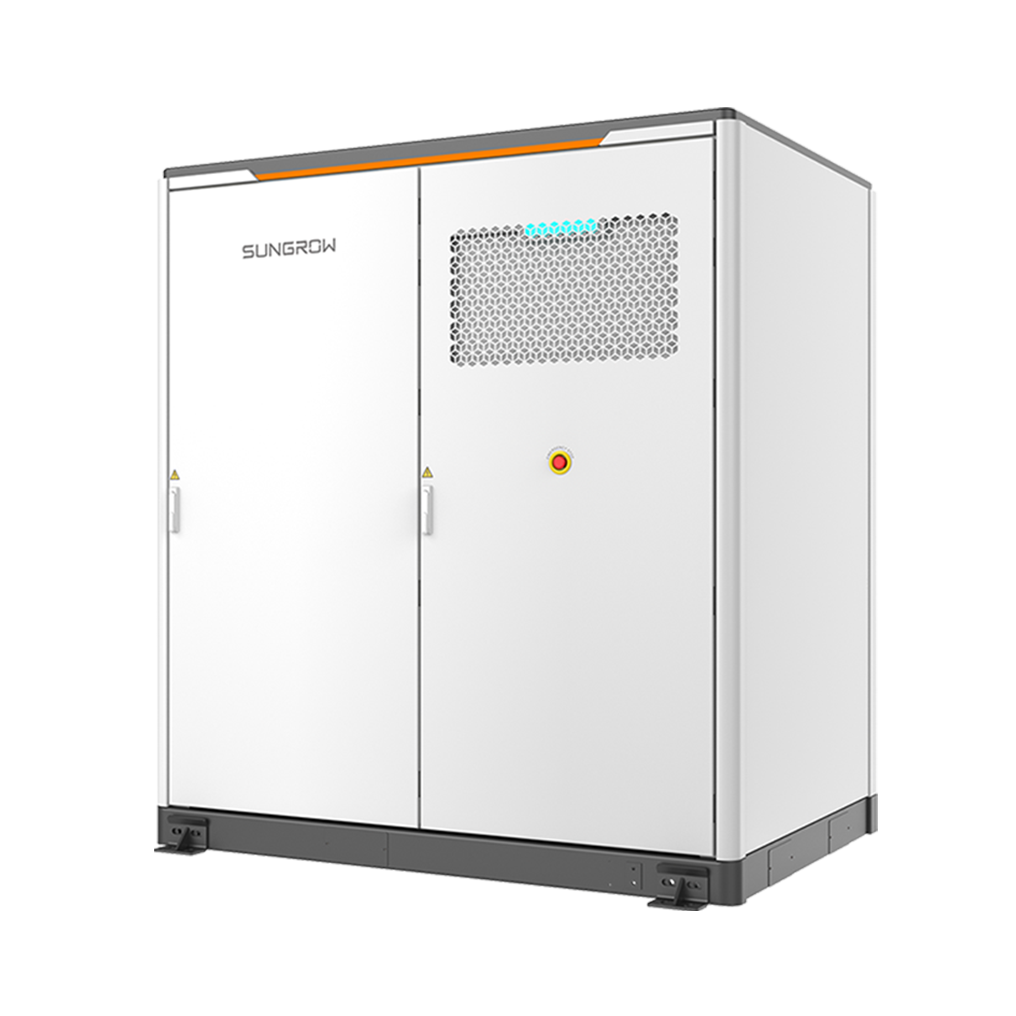
We talk a lot about capacity and kW ratings, but I focus on the gaps most teams miss: poor telemetry, mis-sized inverters, and BMS settings that prioritise state-of-charge longevity over commercial value. In one project — March 2023, a mixed-use building in Toronto — an off-the-shelf inverter defaulted to a conservative discharge limit and the owner missed two high-cost peak events; we recalibrated the inverter and the BMS, and the system began true peak shaving. That anecdote is specific: it cost the owner an extra $6,200 in demand charges before we corrected it. I say this because traditional solutions often assume “if you buy the right battery, everything else follows” — that assumption is flawed. The deeper pain points I see are operational: commissioning checklists short-circuited, unclear meter ownership, and a lack of realistic load profiles to tune load management and peak shaving strategies. Those are the things that quietly erode ROI. — Moving on, here’s what the comparison looks like.

Comparative view: legacy installs versus next-generation deployments
What’s next for operational reliability?
Technically speaking, the next wave fixes integration and visibility. I break it down: legacy systems often relied on simple time-of-use logic; modern setups combine real-time telemetry, adaptive BMS strategies, and smarter inverter control to target bills rather than battery cycles. I’ve benchmarked three sites where upgrading the control layer — not swapping the cells — improved round-trip utilisation by 12–18% within six months. When evaluating new commercial battery storage systems, look for modular inverters, open communications (Modbus, IEC 61850), and vendor support that includes meter-level commissioning. We prioritise those features because they directly affect dispatch accuracy and long-term availability.
Here’s how I recommend measuring options — practical metrics I use on bids and on-site reviews: 1) Round‑trip efficiency under real dispatch profiles (not just lab specs); 2) Lifetime throughput (kWh total the battery can cycle before warranty limits); 3) Measured peak demand reduction potential against historical bills (actual dollars saved). Those three give you measurable selectors. I’ll add two quick notes — the first: warranty terms tied to cycle‑count matter. The second: maintenance access and local spare parts (Toronto‑area availability) decide whether a system stays online or sits idle. I’ve seen a system in 2021 fail for three weeks because a replacement inverter part was back‑ordered; painful, yes — but avoidable.
In short: don’t be seduced by headline kWh. I tell clients to compare dispatchable value, not just stored energy. If you apply these metrics, you’ll find a clearer path to value — faster commissioning, fewer surprises, better margins. Final thought — choose partners who commit to post-commission tuning and clear SLA windows. I’ve done the fieldwork, I’ve watched the missteps, and I’ll say this plainly: measurable outcomes beat glossy specs every time. sungrow