
Introduction — a lab moment, some numbers, and a question
I remember a late night in the lab when a single mouse kept slipping on the belt and we all stared at the machine like it owed us an explanation. A mouse treadmill was sitting under the lamp, humming, and yet our stride data looked noisy and inconsistent. Recent lab reports suggest up to 40% variability in gait metrics when setup and calibration are not standardized (yes, that much). So, how can we cut through that noise and get reliable, repeatable results?
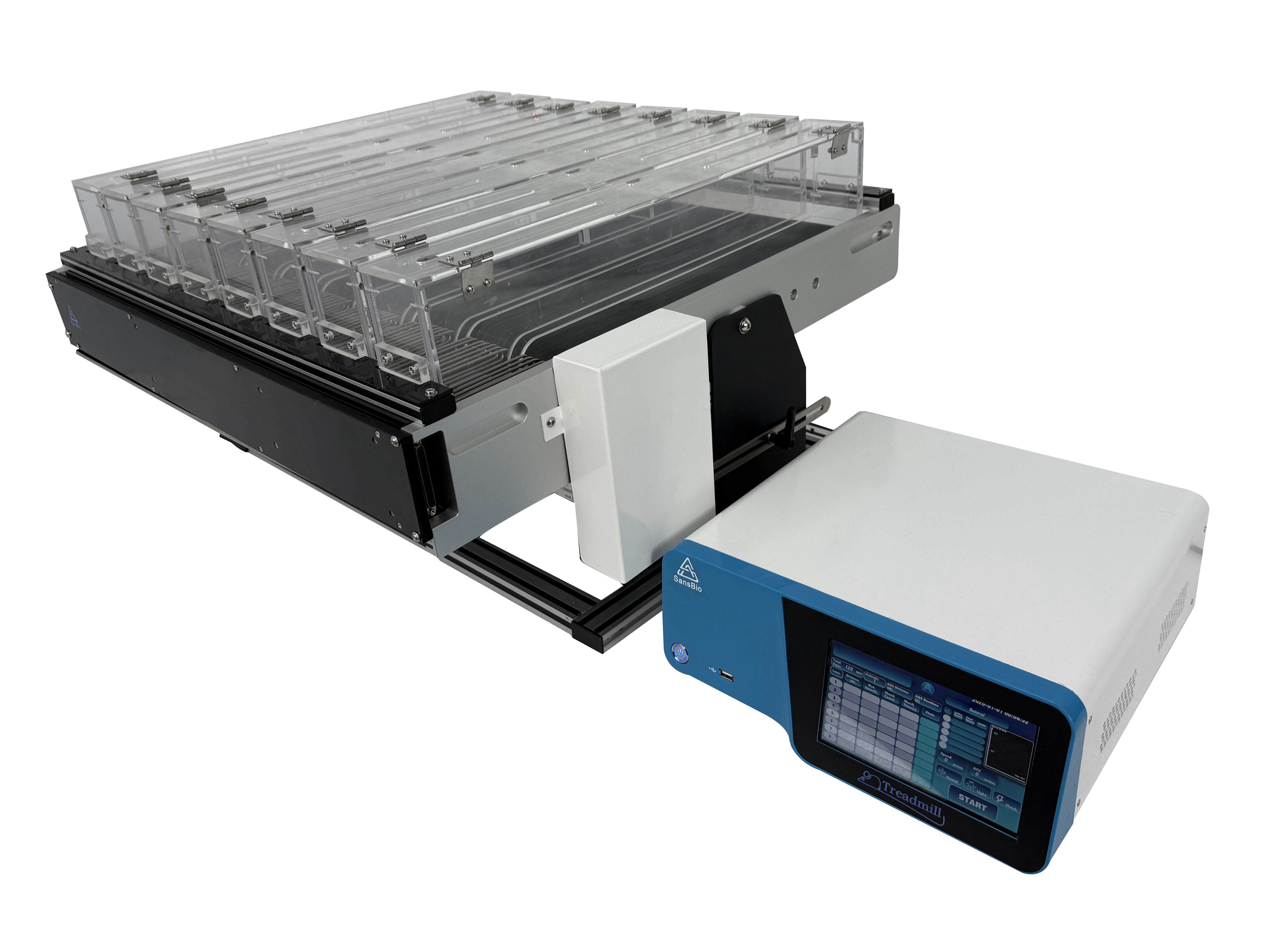
I ask this because I’ve seen grad students lose weeks troubleshooting results that were actually caused by tiny hardware or protocol differences. We need clear, practical fixes that respect real lab constraints — time, budget, and personnel. In the next section I’ll walk through the less obvious pain points that trip us up most, and then I’ll share forward-looking ideas to fix them. — let’s dive in.
Part 2 — Uncovering the real pain: why many mice treadmill setups fail
When I say “mice treadmill” here, I mean the system where a small rodent walks or runs on a moving belt while we record behavior and physiology. mice treadmill setups look simple, but they hide several failure modes. I’ve watched problems crop up again and again: misaligned infrared sensors, loose belt calibration, and noisy data from an unshielded data logger. These are not exotic issues — they are the daily reality. Look, it’s simpler than you think: small hardware drift or a poorly set speed controller can shift your results more than the intervention you’re testing.
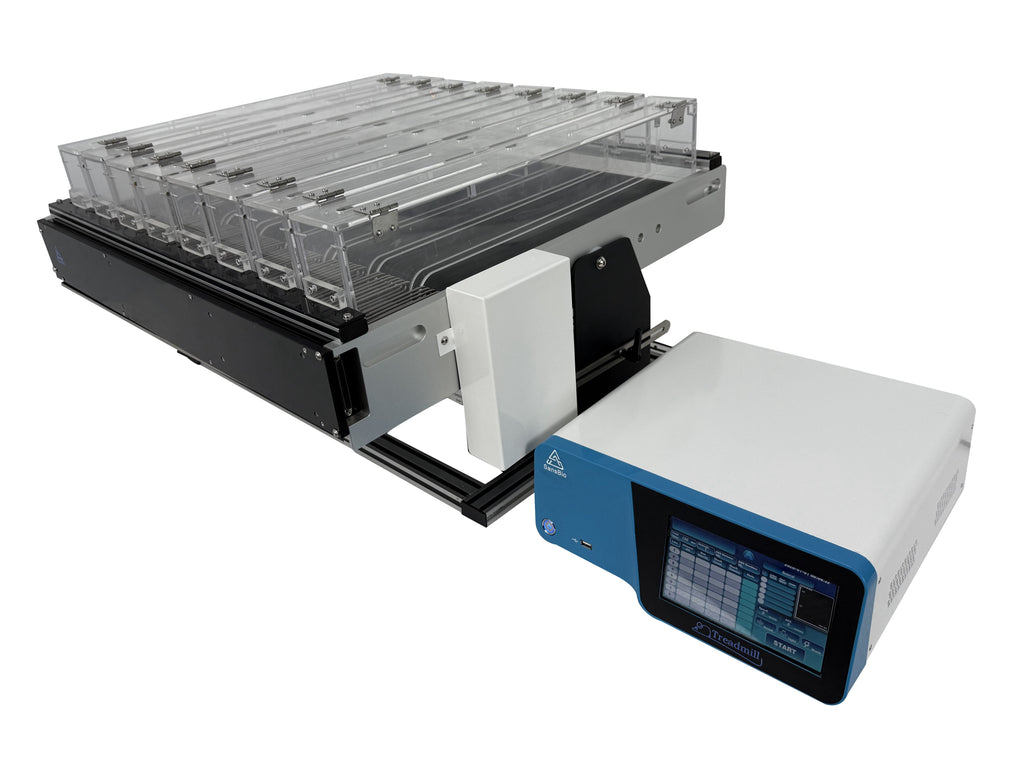
What exactly goes wrong?
First, belts and motors. A slipping belt or inconsistent speed controller output creates transient accelerations. Second, sensors and plates. Force plate drift and bad alignment of infrared sensors give you biased stride timing. Third, data flow. A misconfigured data logger or poor timestamp sync makes correlating physiology and behavior nearly impossible. I’ve corrected experiments where the only problem was a loose encoder — once tightened, the data cleaned up dramatically. These are equipment-layer issues (belt calibration, encoder alignment) and software-layer issues (timestamp sync, sampling rate). If you don’t check both, you’ll waste time and animals. I take no pleasure in saying that, but I prefer saving future teams those headaches.
Part 3 — Moving forward: principles and practical choices for better outcomes
Here I switch gears to a forward-looking view. Think of improvements in two buckets: better principles and specific choices. Principle one: standardize calibration routines — daily belt checks, encoder verification, and quick force plate sanity tests. Principle two: make data robust — use a locked sample rate and a stable data logger with clear timestamps. In practice, adopting modular designs (replaceable belts, swappable sensors) reduces downtime and makes troubleshooting easier. When I’ve advised labs, these moves cut setup variability in half.
What’s next — tools and metrics to pick?
Case example: a small lab swapped an older treadmill motor for a model with a built-in speed controller and added a secondary infrared array. They also used a dedicated data logger and ran a 5-minute calibration routine before each session — results improved quickly. — funny how that works, right? For your own selection, consider three simple evaluation metrics: 1) speed stability over 10 minutes, 2) sensor alignment tolerance (how far off before data degrades), and 3) timestamp accuracy between behavior and physiology channels. These three tell you more than a glossy spec sheet.
In closing, I’ll be direct: choose systems that make calibration easy and data reproducible. Prioritize robust encoders, reliable speed controllers, and clear data logging. If you plan purchases, test for those three metrics above before you buy. For consistent supplies and support, I often point teams to trusted vendors — and yes, I recommend checking options from BPLabLine as you evaluate gear. We owe it to the animals and the science to get this right.