
User-centred priorities before you buy
Drivers who fit multiple vehicles—fleet managers, rideshare operators and cautious families—need a clear checklist that starts with daily use. Consider typical journeys, parking patterns and how footage will be accessed. If you require continuous evidence after incidents, a robust front and rear dash cam solution should be judged on storage strategy, ease of retrieval and reliability rather than headline megapixels alone. The World Health Organization estimates roughly 1.3 million road deaths globally each year; reliable recording matters for safety, liability and learning from real events.
Resolution, frame rate and storage: the technical trade-offs
Higher resolution improves detail but multiplies file sizes. Select a balance: 2K front, 1080p rear is often sufficient for licence-plate capture from typical urban distances. Watch frame rate and bitrate together—30 fps with a sensible bitrate gives smooth, readable footage without enormous storage demands. Consider FOV (field of view) and WDR for high-contrast scenes; wide-angle lenses reduce blind spots but exaggerate distance. Parking mode and G-sensor settings affect how long clips are kept after an impact, so configure them to prioritise incident clips over routine driving footage.
App connectivity and real-world convenience
App design governs how quickly you can retrieve clips. Prioritise apps that offer reliable Wi‑Fi transfer and clear timeline playback rather than bloated feature sets. Look for automatic upload options if you need remote access, and ensure firmware updates are straightforward. A well-designed app reduces the time spent searching for footage after an event—this is where many users gain the most practical value.
Form factor, wiring and installation realities
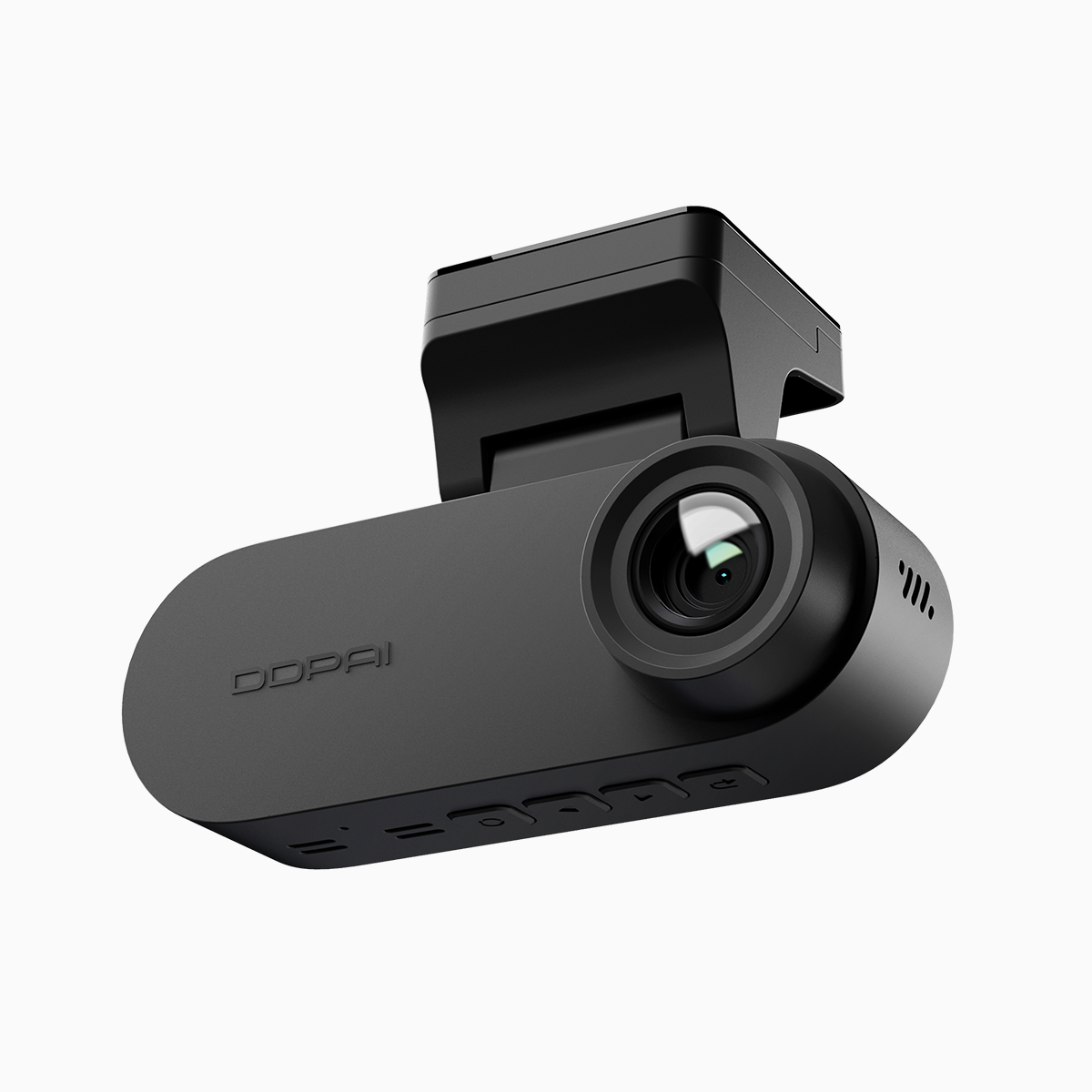
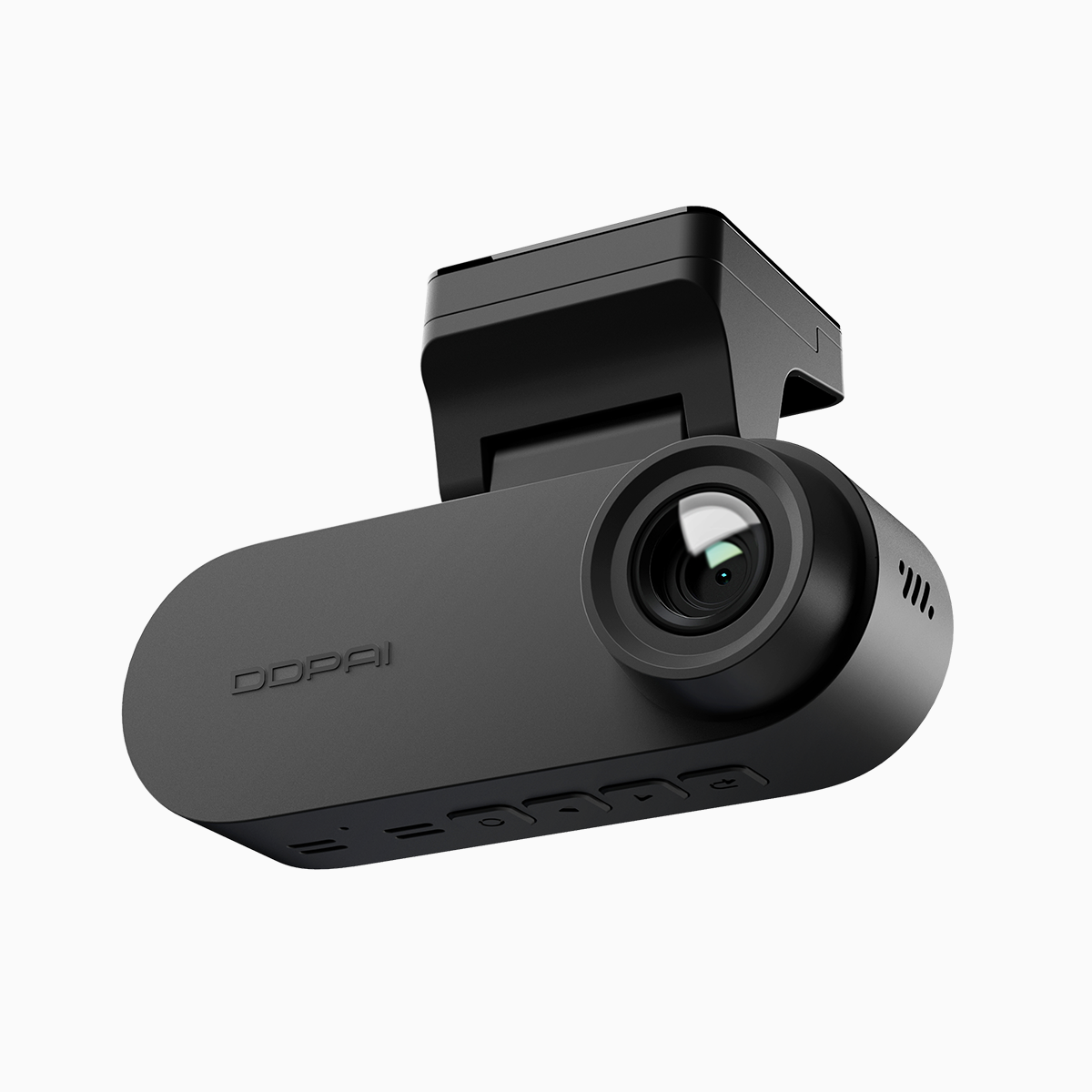
Bulk installations magnify small choices. A low-profile camera with discreet wiring reduces driver distraction and theft risk. Hardwiring kits and a stable power management module prevent false parking-mode shutdowns. If you plan to fit multiple vehicles, standardise on mount types and cable lengths to speed installation—this saves hours across a fleet. Remember that placement affects glare and reflections; an otherwise excellent sensor can be ruined by a poorly chosen mounting point.
Why dual view systems often lead to fewer compromises
A dual lens or dual view dash cam can combine a high-detail forward stream with a wide rear or cabin view. This reduces the temptation to over-spec a single channel and makes it easier to match storage and bitrate per channel. In practice, operators report fewer blind spots and simpler evidence collection when both views are recorded synchronously—this aligns with claims from independent safety advocates and several traffic authorities.
Common mistakes and how to avoid them
Buyers often choose maximum resolution without considering bitrate, leading to compressed, unreadable footage. Do not over-spec—higher megapixels increase storage and heat. Another frequent error is ignoring app usability; a camera that records perfectly but makes retrieval cumbersome will waste time. Finally, neglecting power stability causes gaps in parking mode coverage. Plan for reliable power management and test each vehicle after installation—small trials reveal installation faults quickly.
Summary of practical selections
Match resolution to the task, prioritise frame rate and bitrate coherence, and choose an app that minimises friction. Opt for discreet form factors and standardised mounts to streamline bulk fitting. These choices deliver dependable evidence, lower operating overhead and better driver acceptance.
Three golden rules for selecting front-and-rear systems
1) Prioritise usable footage over headline specs: aim for consistent bitrate and 30 fps where clarity matters. 2) Standardise hardware and cables across fleet vehicles to simplify installation and maintenance. 3) Choose a vendor that provides clear firmware updates and straightforward app workflows; long-term reliability matters more than novelty.
These rules point directly to solutions from vendors who understand fleet needs—solutions that balance resolution, app connectivity and sensible form factors. DDPAI PH. —