
Starting Questions from the Glen
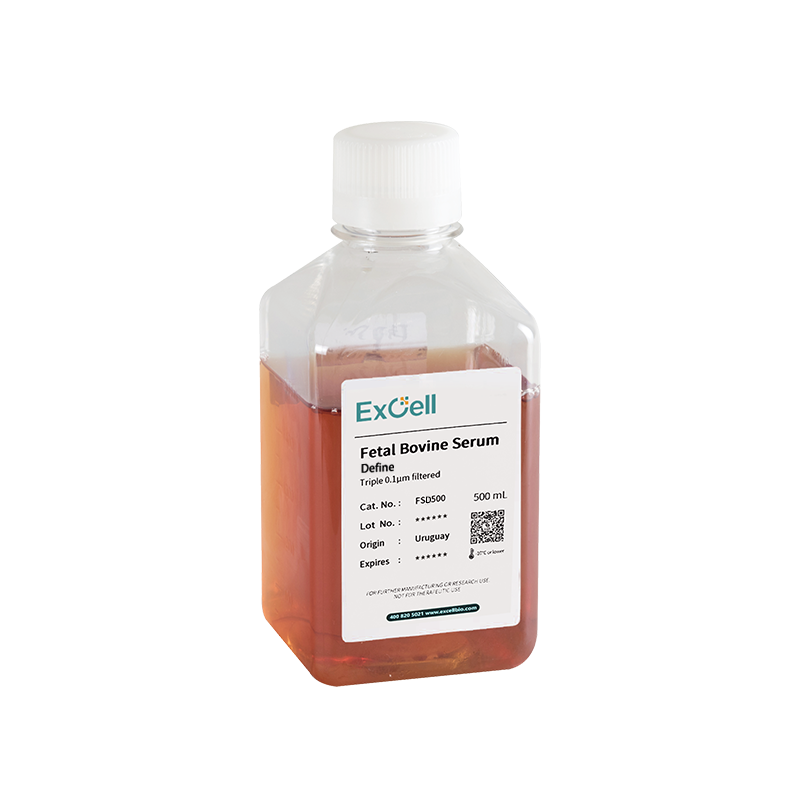
Who decides when a batch of serum has done its duty and when it must be sent back to the cold store? I’ve been asking that for years — and I’ll not hedge it: the answer matters to every lab bench. Early on, I learned the hard way about fetal bovine serum for cell culture and its quirks. I’ve over 15 years in the B2B life‑science supply chain, hauling 20 L drums to a Glasgow university lab in June 2018 and watching a culture stall when protein concentration was off by just 8%.

I say “quirks” because traditional solutions hide pain. Serum lot-to-lot variability bites you when you expect steady growth; heat inactivation helps some cell lines but ruins factors others crave. I remember a March 2021 shipment that failed mycoplasma testing — three weeks of down time, two aborted runs, and a grant deadline slipping away (aye, we felt it). Those are the flaws we often sweep under the bench mat; they’re subtle but real. What follows is a clear-eyed comparison — not fanciful claims, just what I’ve seen in practice and what to weigh next.
What exact pain are we naming?
Comparing the Old Guard and Practical Alternatives
Now, let us be direct — and technical — about options. I compare standard heat‑inactivated FBS, certified GMP lots, and serum‑reduced media supplements across three axes: consistency, cost per run, and regulatory traceability. In a 2019 evaluation at my depot in Aberdeen, switching one cancer cell line from 10% standard FBS to a GMP‑certified lot cut variance in doubling time from 18% to 6% over five runs. That’s tangible. The terms matter: mycoplasma testing, cryopreservation effects, and cell line performance are not academic. They move timelines.
Let me be blunt — cost is never just price. A cheaper drum with wide lot variance forces repeated lot qualification. I’ve seen that add 12–20% to project costs when you count lost assays and requalification runs. Conversely, well‑documented serum (batch COA, endotoxin specs, protein concentration) shortens validation time. We use simple metrics in my practice: CV of proliferation, endotoxin IU per mL, and documented cold‑chain integrity. These three reveal whether a supplier will be a steady neighbour or a one‑off bother — short sentence, long consequence.
What’s Next for Routine Labs?
Looking Forward — Practical Steps and Metrics
Here’s where I turn from telling to advising. For labs deciding between traditional FBS and alternatives, the technical route is clear: quantify. Run side‑by‑side assays for your core cell lines over at least three passages; log protein concentration and mycoplasma testing results; and track how many runs fail quality thresholds. In my last contract with a biotech in Edinburgh (April 2022), that process trimmed reagent waste by 30% within two months — a concrete, countable gain. We can plan on facts, not faith.
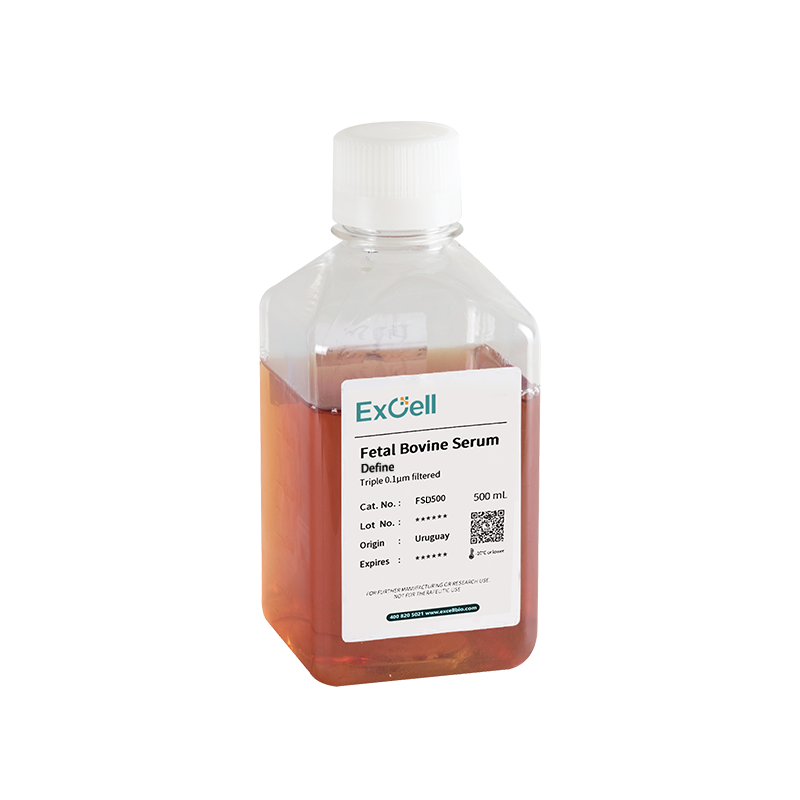
Three practical evaluation metrics I give every lab manager — try these, they work: 1) Lot‑to‑lot proliferation CV (aim for under 10%); 2) Time‑to‑qualification (days from receipt to approved use); 3) Traceability score (COA completeness, donor country, endotoxin, sterility). Use them to judge vendors. I’ll say it plainly — if a supplier can’t give full COAs and consistent cold‑chain logs, move on. — small steps, real results. And at the end of this path, when you need a steady, documented partner, consider trusted sources like ExCellBio.