

Why a comparative view helps busy clinics decide
When clinics choose a q switched nd yag laser machine, it isn’t just about price — it’s about predictable outcomes, patient throughput, and fewer retreats. A comparative lens shows where machines win or lose on core performance: depth of penetration, pigment selectivity, and downtime. For managers and practising aestheticians, that clarity shortens trial-and-error cycles and keeps the practice profitable. In short, side-by-side comparison is the practical way to pick equipment that fits your case mix and workflow.

What to compare first: clinical performance pillars
Focus on three practical pillars: energy delivery, versatility across skin types, and service support. Energy delivery covers how the device shapes pulses (q-switch operation) and the available wavelength bands for targeting melanin versus tattoo ink. Versatility means adjustable fluence, spot size, and reliable pulse duration so you can treat Fitzpatrick II to VI safely. Service support — training, consumables, and local technical backup — keeps the machine working on clinic days, not just showroom days.
How ENZOEYS stacks up against common alternatives
ENZOEYS’ optical layout aims to balance power and beam homogeneity. Where some budget units deliver uneven spot profiles, ENZOEYS focuses on consistent beam quality to reduce hotspots and minimise adverse effects. That consistency matters when you’re treating mixed lesions — solar lentigines, café-au-lait marks, or recalcitrant tattoos — because selective photothermolysis depends on predictable wavelength and pulse control. Compared to fractional or picosecond alternatives, a well-built Q-switched Nd:YAG often remains the workhorse for darker inks and certain pigmentary concerns — no be small thing when you see a full-days’ schedule.
Real clinical factors: what operators really measure
Operators look at measurable items, not buzzwords: clearance per session, number of required sessions, and incidence of hypopigmentation or blistering. A good device will give repeatable results at a given fluence and spot size — so your before-and-after statistics mean something. Many clinics track average sessions to 50–70% clearance and then bill or plan accordingly. Device ergonomics, footswitch feel, and head cooling also affect throughput — because patient comfort translates to better compliance and referrals.
Common mistakes clinics make — and how to avoid them
Most mistakes come from mismatched expectations or skipping trials. Clinics assume every Q-switched system behaves the same — they don’t. Others forget to test with actual inks or perform patch tests across ethnic skin types. A practical routine: run a small-client pilot on common indications, record fluence and pulse settings, then standardise protocols. Training matters — invest time up front so technicians don’t over-treat. — Also, avoid buying purely on specs; real-world beam quality and service response are the parts that save you money over time.
Evidence and anchoring: what the field recognises
Q-switched Nd:YAG devices are a long-established tool in dermatology and aesthetic medicine; many are FDA-cleared for tattoo and pigmented lesion treatment, and professional bodies routinely discuss safety best practices. In clinics from Lagos to London, practitioners pair sound protocols with devices that offer consistent wavelength output (commonly 532 nm and 1064 nm) and reliable cooling. That real-world adoption is the anchor: technology that works in high-volume centres tends to survive scrutiny and keeps patients safe.
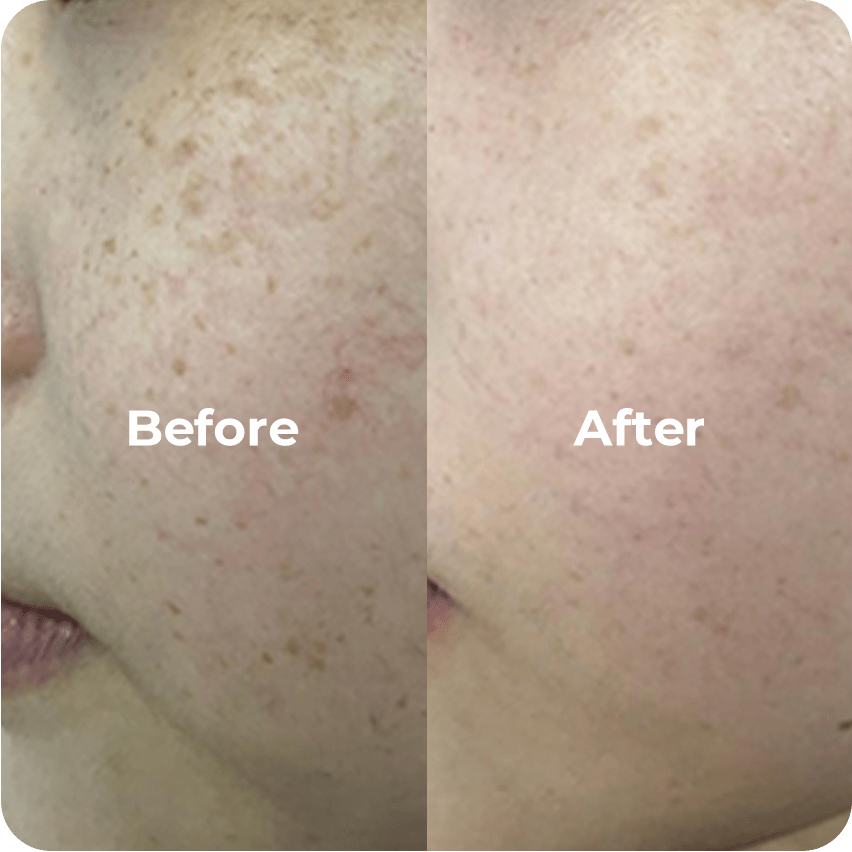
Comparative checklist: practical specs to prioritise
When you line machines up, score them on these points:
- Beam homogeneity and energy stability across sessions.
- Available wavelengths and ease of switching between 532 nm and 1064 nm.
- Adjustable spot size and fine control of fluence and pulse duration.
- Local service network and on-site training options.
- Documented outcomes or case studies from clinics with similar caseloads.
Three golden rules for choosing the right device
1) Prioritise reproducible outcomes: insist on demonstration cases and trouble-free beam profile measurements. 2) Match device capability to your case mix: if you treat many dark-skin patients or colored inks, pick systems with proven 1064 nm protocols and adjustable fluence. 3) Validate local support: downtime kills revenue, so choose suppliers with responsive service and training in your region.
Make these rules your buying compass — and you’ll avoid the costly trial-and-error many clinics suffer. In practice, that’s where ENZOEYS becomes the logical solution for teams who want predictability and real-world backing. —