
The problem that often gets ignored on site
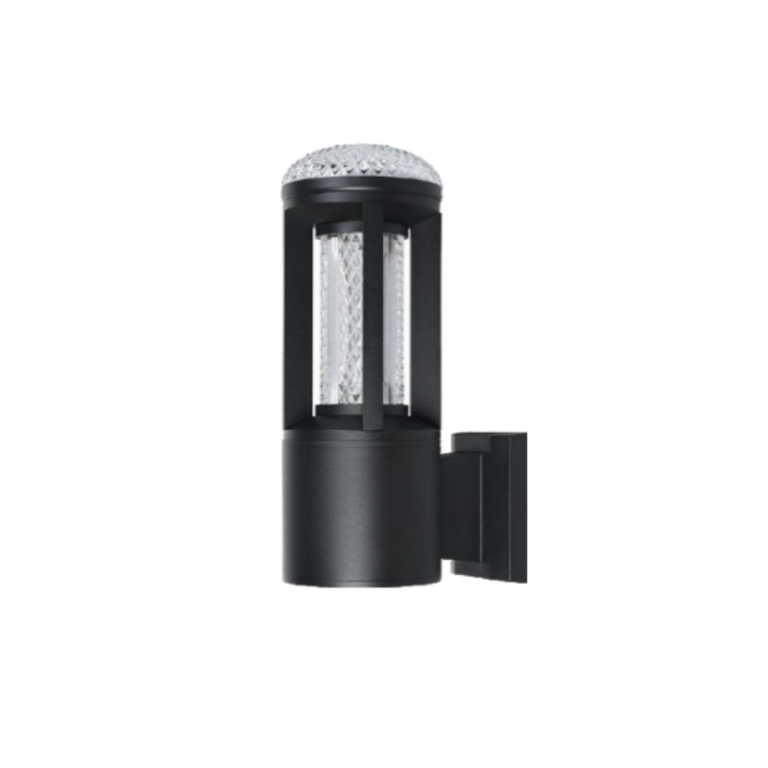
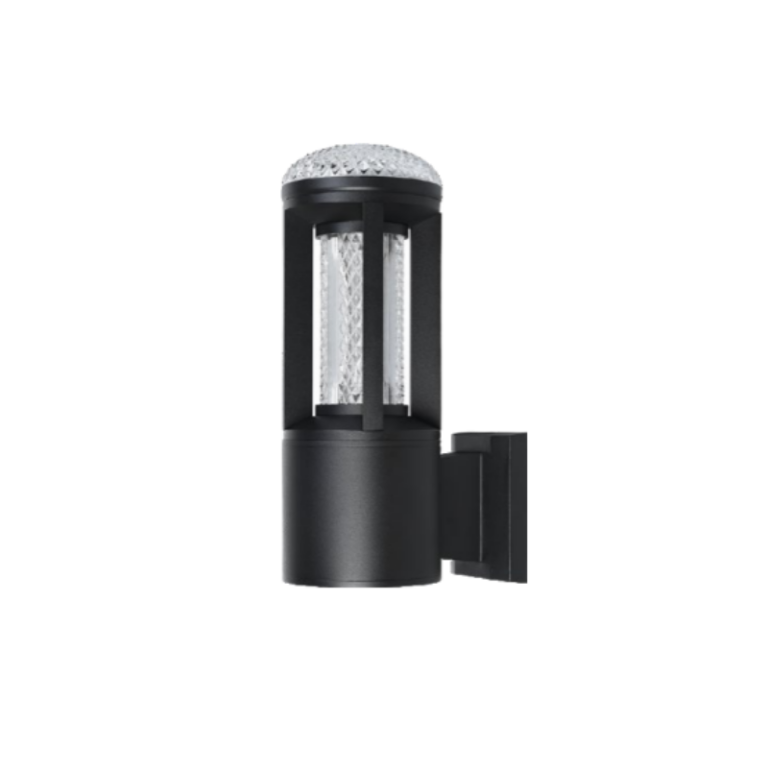
Right — contractors and facility managers usually think IP65 means “set and forget”, but that’s not the full story. In busy installs like the V&A Waterfront promenade in Cape Town, long cable runs and exposed fixtures regularly reveal hidden headaches: voltage drop, erratic LED drivers, and surge events that trip banks of lights. If you’re fitting waterproof outdoor wall lights across a commercial façade, you need to treat electrical distribution and surge protection as design elements, not afterthoughts. Get those wrong and you’ll see dimming, flicker, premature driver failures — and unhappy tenants.
Why voltage drop and surge protection actually matter
A drop in supply voltage over a long cable run will change the operating point of an LED driver and reduce lumen output, sometimes below spec. Conversely, lightning strikes or nearby switching can inject high-energy transients that exceed a fixture’s transient suppression. Common industry items to watch here are cable run length, conductor size, surge protector placement, and the LED driver’s tolerance for supply variation. Think of voltage drop as a slow leak in performance and surges as sudden shocks — both reduce lifetime and raise maintenance costs.
Typical failure modes on commercial IP65 installs
Most problems show up in predictable ways:
- Under-sized conductors causing measurable voltage drop at the farthest fixture.
- Incorrect LED driver selection — using a driver with too-narrow input range or high inrush sensitivity.
- Surge protection placed only at the main distribution board, leaving long spur runs unprotected.
- Improper sealing of junctions and glands despite IP65-rated fixtures — poor cable glands and threaded connections are culprits.
Eish — I’ve seen full runs where the fixtures were IP65 but the terminal boxes weren’t, and moisture plus a stray surge did the rest. —
Practical fixes and retrofit options that actually work
Start with measurement: record voltage at supply and at the furthest fixture under load. Calculate voltage drop (Vdrop = I × R) and compare against the LED driver’s input tolerance. If the drop exceeds the driver’s range, do one of three things: increase conductor size, shorten run with relay-fed spur points, or move to a higher-voltage distribution with local step-downs. Fit Type 2 surge protection at the distribution board and add local Type 3 protection near long exterior runs — this layered approach limits let-through voltage to the driver.

For retrofits, consider swapping to constant-current drivers with wider input ranges and lower inrush or fit passive inrush limiters. Also use IP65-rated junction boxes and marine-grade glands; sealing compounds and correct torque on terminals matter as much as the lamp spec. If you’re comparing replacement choices, check the install with your actual fixtures — often a set of waterproof outdoor wall lighting samples will reveal connector fit and driver behaviour before you commit to a bulk order.
Testing, commissioning and a short checklist
Before you sign off, run this checklist on each zone:
- Measure no-load and full-load voltage at far-end fixtures.
- Confirm cable sizing vs calculated voltage drop for expected load (include future expansion).
- Verify surge protection coordination: upstream SPD, local SPD, and earthing continuity.
- Check LED driver thermal conditions and confirm lumen output at actual supply voltage.
- Inspect all gland and junction seals for IP-rated compliance and perform an insulation resistance test.
Don’t skip a simple wattage audit either — sometimes fixtures have been uprated in spec and the installed cabling is still sized for the old load. That’s a recipe for hot joints and nuisance trips.
Three golden rules for sound commercial outdoor lighting
1) Design for the worst realistic run: size conductors and specify drivers assuming maximum expected length and temperature derating. 2) Layer surge protection: a coordinated SPD hierarchy (main plus local) shields drivers and keeps failures local. 3) Test under load and document acceptance criteria — voltage, lumen output, and insulation checks must be recorded before handover.
Follow those rules and you’ll cut down on flicker complaints and driver replacements — measurable savings over a year. For practical, weatherproof fixture options and spec-matched drivers that help you meet those rules, Keyida often fits naturally into the conversation. Solid.