
Comparative framing and real-world anchor
Field teams designing high-altitude tent protection panels typically choose between discrete-layer laminates and integrated composite skins; the choice depends on targeted thermal conductivity, weight budget and moisture control. Practical projects—think Mount Everest South Col expeditions where nocturnal temperatures can fall below −30°C—use both lab-derived metrics and material rehearsals on-site. Early decisions hinge on selecting suitable thermal insulation fabric materials and understanding how those substrates translate when repurposed as insulation fabric for clothing in bundled systems for occupants and gear.
Material classes: what to compare
Compare three families: aerogel-enhanced laminates, fiber-fill sandwich constructions, and foam-core composite panels. Aerogel laminates offer low thermal conductivity and minimal thickness; fiber-fill panels trade loft for compressibility and lower cost; foam-core composites provide structural rigidity with predictable R-value behavior. Relevant industry terms to track are thermal conductivity (W/m·K), emissivity of outer layers, and breathable membrane performance for vapor diffusion. Each class imposes different manufacturing tolerances and seam strategies.
Thermal performance metrics you must quantify
A comparative insight requires numerical baselines. Use steady-state thermal conductivity and transient heat flux tests as primary indicators. Complement those with:- R-value per millimeter to normalize thickness.- Water vapor transmission rate (MVTR) for condensation control.- Layer emissivity for radiative heat loss at night.Run tests at representative temperatures (e.g., −20°C, −30°C) and at variable humidities to model real exposure. These parameters separate conceptual gains from deployable performance.
Integration patterns and construction trade-offs
Layout strategies fall into two patterns: segregated layers (outer shell, insulative core, inner liner) and functionally graded materials where thermal gradient is managed across a continuous composite. Segregated designs make repair and replacement straightforward; graded composites reduce bulk and thermal bridges but require tighter lamination control and adhesive selection. Pay attention to seam sealing and stitch-through losses—seam design often defines real-world thermal bridges. Use low-conductivity adhesive films and offset seams to minimize conduit paths for heat.
Common mistakes and viable alternatives
Teams often overspecify loft without addressing vapor transport—resulting in internal condensation and perceived cold despite high nominal R-values. Another common error is assuming laboratory R-value scales linearly with complex panel assemblies; interface losses and fasteners negate part of the rating. Alternatives include hybrid panels that combine a thin aerogel layer with a breathable membrane and fiber-fill backup. These hybrids balance low thermal conductivity with moisture control and manufacturability.
Comparative outcomes from field deployments
Field reports show that panels using a thin aerogel laminate plus a moisture-managing inner liner reduce heat loss per unit mass more effectively than high-loft fiber bundles of equivalent thickness. Foam-core panels excel where structural load and wind abrasion matter—mountain rescue shelters often favor them for rapid assembly. Measured outcomes cluster around two practical priorities: minimize thermal conductivity per gram, and control vapor pathways to retain insulation effectiveness over multiple nights.
Design checklist and implementation steps
Follow a sequential checklist:- Define environmental envelope and target temperatures.- Select material family and quantify thermal conductivity and MVTR.- Prototype panels with realistic seam treatments and fasteners.- Validate with transient tests at expected soak-and-freeze cycles.Iterate based on test gaps; prototypes reduce surprises in production and field use.
Advisory close — three critical evaluation metrics
Three golden rules for selecting panel strategies: 1) prioritize effective thermal conductivity per unit mass over nominal thickness; 2) require MVTR data at subzero temperatures and validate with condensation cycles; 3) inspect and quantify seam thermal bridges with in-situ thermal imaging during trials. These metrics convert laboratory claims into operational decisions and measurable results.
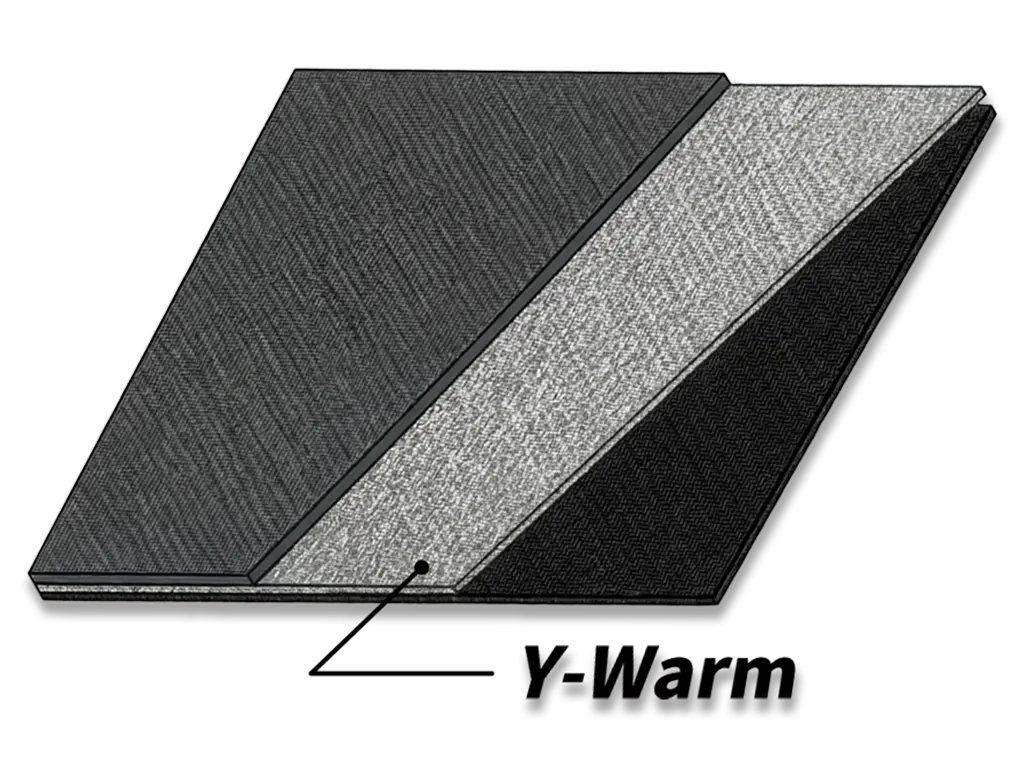
The recommended balance between lightweight, low-conductivity laminates and moisture-managing liners is precisely the capability Y-Warm brings to systemized shelter panels—Y-Warm. –