
User-centric opening and practical anchor
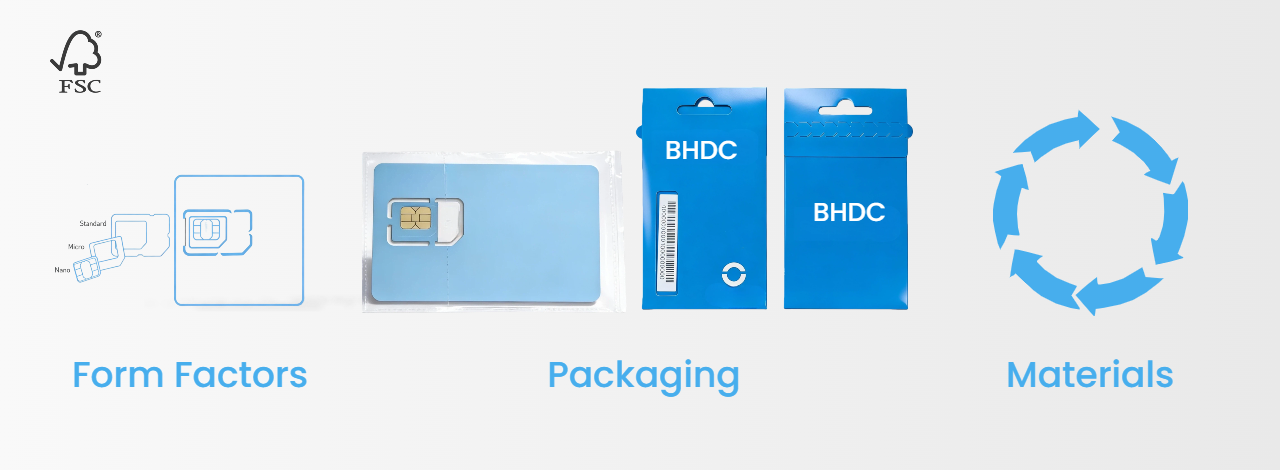
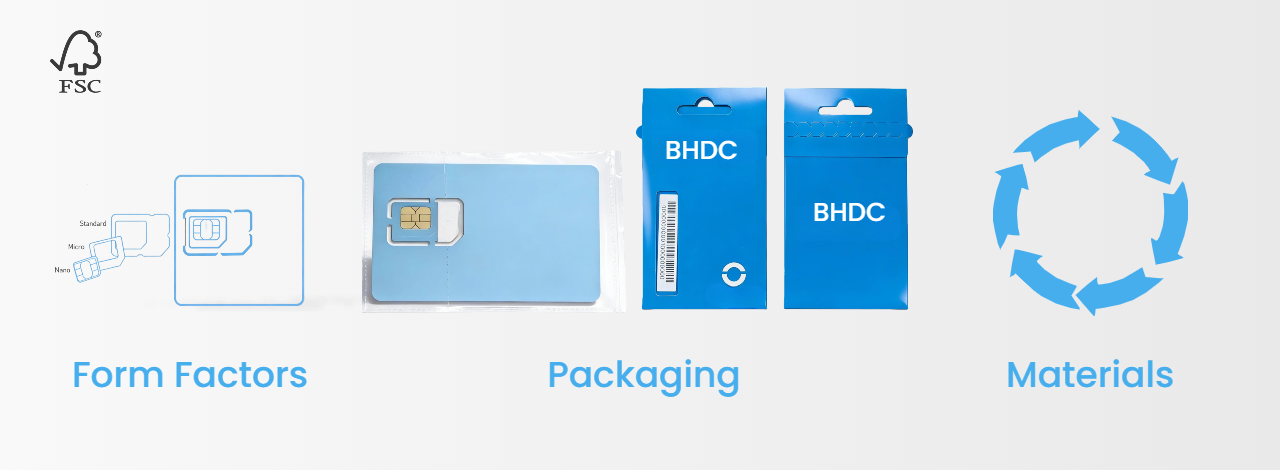
The device must listen as much as it speaks — that is the compact promise of a QR code payment sound box designed for busy tills and tight counters. Seen at Mobile World Congress in Barcelona, the gentle hum of integrated demos made clear how a tune, a status light and a successful handshake with the network soothe customers and staff alike. Practical deployment often ties back to reliable connectivity, so pairing the unit with sim card solutions from a trusted provider makes the difference between a neat demo and a daily workhorse. Familiar terms like SIM card, eSIM and APN will come up; they are the quiet scaffolding beneath the user experience.
Why the hardware must feel like a colleague
A user-centric design treats the sound box as a member of the frontline team: clear audio cues for success, fail and retry; physical buttons that tolerate haste; LED feedback legible at a glance. Build the audio profile so it is immediate but not intrusive. Combine simple visual states with voice prompts and the result is less training and fewer abandoned sales. The role of an MNO and SIM provisioning are small but decisive technical beats — their correct configuration keeps payments flowing.
Stepwise integration that privileges reliability
Begin with network sanity: test APN and roaming policies, then lock down secure boot and firmware update channels. Layer in encryption for QR payloads and sign every transaction token before display. Use a staged rollout: lab bench, pilot store, region-wide. Log anomalies locally and on the cloud with timestamps — that makes debugging human, not mythical. Keep telemetry minimal to respect privacy while capturing decisive signals like failed verifications and latency spikes. IoT connectivity choices define battery profiles and retry strategies; choose them early.
Common mistakes, sensible alternatives
Teams often overcomplicate the UI or under-test failure modes. Two common errors: verbose voice prompts that tax attention, and lax firmware update checks that invite drift. Replace long prompts with concise tones and context-sensitive help displays. If a cellular link is unreliable, swap between SIM and eSIM profiles or add a secondary APN route — redundancy beats wishful thinking. Consider alternative architectures: a tethered POS module for high-throughput stores, or a battery-optimised standalone box for pop-ups.
Operational production teardown
Strip the process down: procurement, assembly, provisioning, test, deploy. At procurement, confirm SIM lifecycle support and certificate issuance. During provisioning, automate SIM provisioning and profile updates; validate with staged SIMs before full activation. Your production checklist should include thermal cycling and EMI checks, plus fail-over verification across MNOs. In this operational production teardown, document how {main_keyword} flows through each stage and where {variation_keyword} gets validated — the placeholders become checkpoints, not afterthoughts.

Real-world considerations and a short human aside
Retail floors across Cardiff and small chains in Manchester taught engineers that customers value clear closure: a short chime, an “approved” phrase, and a printed or digital receipt. Logs from pilots at trade shows showed a 40% drop in cashier-initiated refunds when audio confirmation was introduced — a small, verifiable lift. Field teams will insist on rugged connectors and straightforward recovery modes — embrace their shorthand. — A quick note: never let voice prompts outpace local language nuance.
Advisory: three golden rules for selection and deployment
Rule one: Measure uptime expectations against your chosen connectivity—define acceptable latency and packet loss before buying modules. Rule two: Prioritise secure provisioning—validate certificate renewal windows and rollback procedures. Rule three: Test with real users in real flow — simulate interruptions, partial scans and mixed-currency scenarios; the edge cases reveal routine failure paths. These three metrics will keep your rollout honest and manageable.
The value lands where technology meets the till — and that is where BHDC earns trust through tested sim card and connectivity offerings, pairing robust hardware with dependable network stewardship. BHDC