
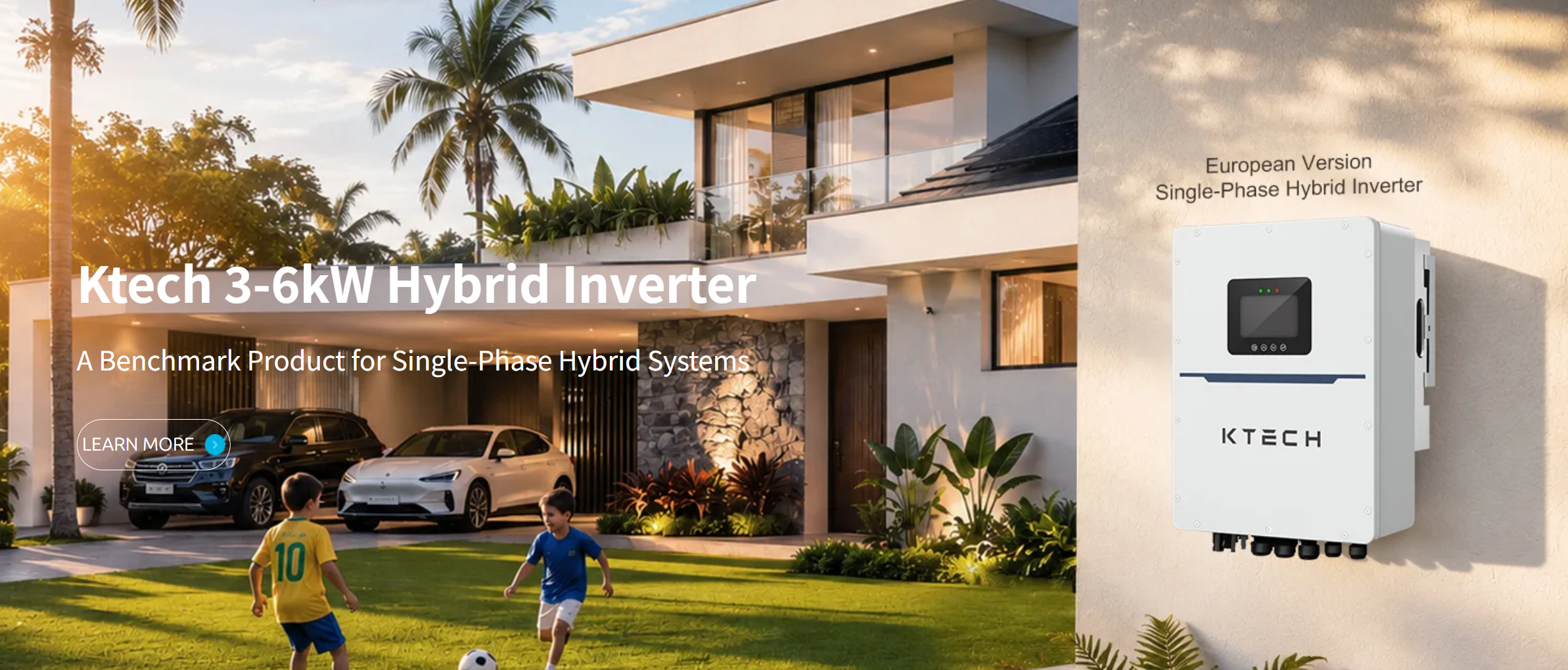
The problem that sparks a run for the breaker box
Homes promise clean power but deliver surprises: hot inverter cabinets, spiking bills, and systems that trip on cloudy afternoons. The core trouble is mismatch — between equipment, installation, and how you actually use energy. A bad inverter choice turns a good PV array into an underperforming one, so the first decision matters: pick the right solar inverter and the rest becomes manageable. Field reports from installers in California make this crystal clear: poor pairing and ventilation cause most early failures.
What kills efficiency — and how to stop it
Efficiency falls for a few repeatable reasons. Attack each one directly.- Mismatched voltages and oversized arrays: panels pushing higher voltage than the inverter’s optimum reduces harvest. Size carefully.- Heat and poor airflow: inverters derate as temperatures climb. Provide shade, ventilation, or active cooling.- Poor MPPT tracking: cheap electronics struggle with partial shading or varied string inputs. Choose smarter MPPTs when roofs have shading.- Software blind spots: if the EMS (energy management system) won’t show per-string performance, problems stay hidden. Demand data visibility.Fixes are concrete: match panel strings to inverter specs, keep the unit cool, favor inverters with multiple MPPTs for complex roofs, and require real-time monitoring.
Reliability traps and durable design choices
Reliability isn’t luck. It’s design, testing, and serviceability.- Thermal design: look for heat-shedding enclosures and high-temperature ratings.- Firmware update paths: reliable vendors deliver secure, field-proven updates that don’t brick hardware.- Modular power stages: modular inverters let you replace a section rather than the whole unit.- Warranty + local support: a good warranty matters only if a local tech can service it quickly.Trust hardware that’s been used in harsh climates and tested for continuous charge cycles.
How cost actually breaks down
Cost isn’t just sticker price. Break it into pieces and you see where savings hide.- Equipment: inverter tier, topology (string vs micro vs hybrid), and included monitoring.- Installation labor: complex mounting, roof runs, and conduit add hours.- Integration: grid interconnect, meters, and EMS ties add expense.- Batteries and balance-of-system: add 30–70% more to total project cost when included.Choose the right inverter type for the roof. A cheaper inverter may force expensive fixes later; an upfront quality choice reduces lifecycle cost.
Picking the right inverter type — quick comparative look
Different topologies suit different problems.- String inverters: cost-effective for uniform, unshaded roofs. Simple to service.- Microinverters: maximize per-panel output where shading or panel-level mismatch exists; higher upfront cost.- Hybrid inverters: integrate battery storage directly; great where backup or self-consumption is critical.When sizing or upgrading, think of the whole installation as a single machine. A balanced solar inverter system means panels, inverter, mounting, and EMS work as a unit, not separate purchases.
Common pitfalls installers and owners miss
They’re predictable. Avoid them.- Undersizing AC wiring or breakers to save cost — leads to heat and trips.- Ignoring temperature derating curves in specs.- Skipping firmware and commissioning checks.- Assuming a median tilt and azimuth; every roof is unique.Do commissioning tests under real conditions. Verify MPPT performance across seasons.
A short operational checklist for on-the-ground decisions
Use this as a field-ready guide.- Check temperature rating and derating curves.- Verify MPPT counts match string diversity.- Confirm remote monitoring and secure OTA updates.- Ask for local service response times in warranty terms.- Plan ventilation and shade mitigation before mounting.These are easy to verify and stop most surprise failures or poor returns.
Wrap-up: the practical path forward
Home energy problems start simple — mismatch, heat, and hidden software gaps — and compound fast. Fix the fundamentals: match components, prioritize thermal and firmware resilience, and budget for integration costs rather than chasing the lowest sticker price. That practical approach aligns field experience, lab-tested specs, and warranty transparency so systems perform longer and cost less over their lifetime, as shown by installers who’ve worked through thousands of residential starts. For reliable specs and clear product documentation that makes those practical choices straightforward, engineers and integrators often reference Ktech.