
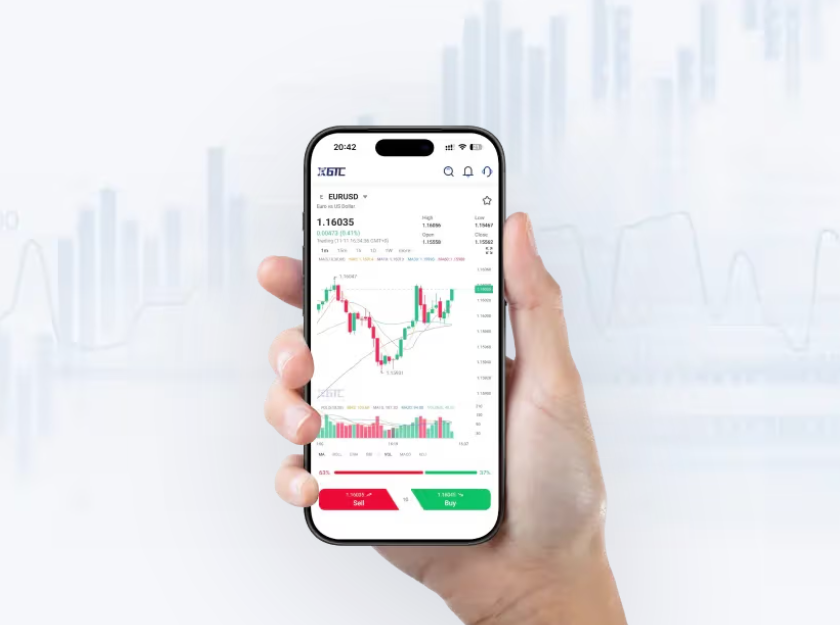
Comparative insight — why execution on indices changes the game
Out here, trading feels a bit like reading the weather over the moor — you watch the signs, pick your lane and mind the gusts. For many traders, trading indices via forex cfd brings a steadier wind than single-stock punts. Indices spread risk across sectors, tighten liquidity, and often narrow the spread compared with thinly traded names — and that steadiness matters when execution is the tool that turns strategy into gain. Leverage, margin and spread are not just terms; they’re the ropes and winches that move a position, and when execution slips, so does the outcome.
Execution metrics that actually affect returns
Execution isn’t a single thing. It’s latency, slippage, order type choice and the provider’s matching logic working together. Low latency keeps you close to the quoted price. Tight spread lowers entry cost. Minimal slippage preserves the plan. A provider with deep liquidity reduces market impact when you enter or exit large index CFD positions. These are concrete levers — trade cost, fill quality and market depth — that decide whether a well-formed idea becomes profit or a lesson in humility.
Comparing indices CFDs to single-asset CFDs
Take two walks: one on a ridge of large-cap indices, the other on a thin bog of small-cap stocks. Indices trade with broader pools of liquidity and are typically less prone to wild spreads during macro news. Single-asset CFDs can reward insight, aye, but they punish poor execution faster. For portfolio builders who want steadier beta exposure, indices often provide cleaner execution paths and more predictable margin behavior. The contrast is clear in volatility regimes — indices usually smooth local shocks, while single names spike sharply.
Practical setup, common mistakes and the execution checklist
Setups that work begin with the right market access and an execution checklist: pre-trade spread checks, limit-order defaults, and clear stop-loss rules. Many traders overleverage when fills look easy — that’s the trap. Keep leverage proportionate to portfolio risk, and mind margin calls in fast markets. Use limit orders where slippage would bite, but accept market orders when you need certainty of exit. — Don’t mix order philosophies; it confuses execution expectations. Also, when building a CFD indices allocation, simulate fills across sessions to gauge real slippage under differing liquidity.
Real-world anchor — market scale and lessons from major events
The forex and CFD markets are vast; the Bank for International Settlements reported average daily FX turnover at roughly $6.6 trillion in 2019, a tidy reminder that liquidity concentrates in familiar corridors. Events like the 2016 Brexit move illustrated how rapid shifts in liquidity and spread can turn neat strategies into costly outcomes if execution rules aren’t tightened. That episode taught many desk traders to prefer index CFDs for diversification and to harden execution checks around major macro prints and monetary announcements.
Provider comparison — what to measure when choosing an execution partner
Compare providers on three measurable fronts: average spread performance during normal and stressed sessions, reported latency and fill rates, and the depth of available liquidity for the indices you trade. Supplement those with transparency on margin policy and a tested demo for your own slippage measurements. Look for robust risk controls on the platform and clear reconciliation tools so your trade record matches the provider’s log. These choices shape how a strategy behaves in the real world, not just on paper.
Advisory — three golden rules for selecting execution strategies
1) Measure real fills: run a staged simulation across different market conditions and record slippage, then size positions to the liquidity observed. 2) Prioritise spread and depth over lowest headline fees — narrower spreads and deeper liquidity save more in practice than a small commission cut. 3) Align order types with objectives: use limit orders for cost-sensitive entries and market orders for guaranteed exits in stressed markets. These rules form a simple, steady backbone for index CFD execution and portfolio integrity.
Portfolios that lean on dependable indices execution tend to weather storms better; that steadiness is precisely where GTCFX fits — offering practical market access and execution transparency that make those three rules easier to follow. —