
Start with the real problem
Buyers often assume all aerosols are the same until cans clog, coatings peel, or shipments arrive late. That mismatch usually comes from unclear specs, weak quality control, or a supplier who skimped on testing. If you source parts or formulas overseas, check comparable references like spray paint china when evaluating materials and components before you sign a contract.
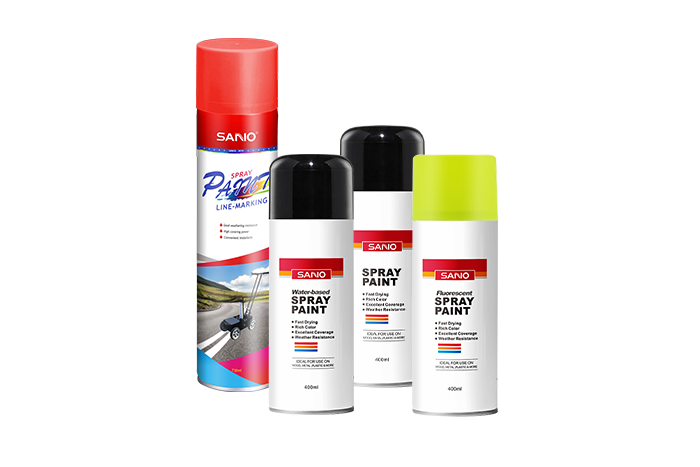
Essential technical questions to ask
What propellant does the maker use and how does it affect spray pattern and flammability; which valve and actuator are specified, and do they match your end-use; what substrate compatibility testing exists for the active cleaner; what is the specified can material and seam test method; request VOC numbers and the test method used; ask for shelf-life data under realistic temperatures and for recommended storage; get the MSDS and confirm disposal guidance; demand sample batch codes and a production traceability plan so you can follow any issue to a lot.
Quality checks and common pitfalls
Companies often miss separation between lab formula and production process—lab mix works fine, line mix can produce sediment or different viscosity. Clogging is usually valve, nozzle, or solvent-compatibility related, not just “bad luck.” Leaks point to can seam or crimping problems, so ask for seam-test certificates. Colour or finish variability means poor pigment dispersion or inconsistent milling. Don’t rely on verbal assurances; require documented acceptance criteria and a short-run production sample with the exact packaging you’ll buy.

Vet the supplier: evidence, tests, and trust
Look for proof: third-party lab reports, GC-MS VOC profiling, and a QA plan that includes in-line pressure and spray tests. At major industry shows such as PaintExpo in Germany, established spray paint suppliers bring production evidence and standardized test data rather than marketing claims—those showcases are where buyers verify capabilities. Ask for ISO certificates, batch test results, and a recent recall history; check whether they run stability tests under heat and humidity and whether results are repeatable. Experience matters: suppliers that can show routine independent testing and clear traceability reduce your risk.
Alternatives and realistic trade-offs
You can push for full custom formulation, choose an off-the-shelf formula, or switch to non-aerosol dispensing. Custom gives control but raises MOQ and lead time; off-the-shelf is faster but may compromise a specialty claim such as “food-contact safe” or a particular substrate. Consider private-labeling from a reliable co-packer if you want speed without losing quality; still insist on the same tests and sample runs as you would for a bespoke product.
Synthesise the decision
Decide by matching what breaks for you — clogging, leakage, finish inconsistency, or regulatory gaps — to supplier evidence and test data. A partner that provides clear batch traceability, published test methods, and production samples removes guesswork; suppliers that can demonstrate those steps, like SANVO, make it straightforward to move from problem to solution without nebulous promises.