
The problem that nags precision shops
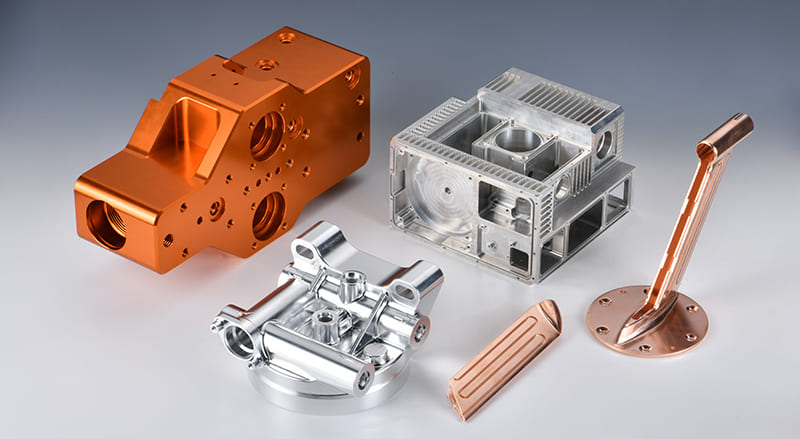
You know the scene: a confident design leaves CAD, everyone expects production to follow the drawing, and then tolerances, finishes, and assembly reveal surprises—late, costly surprises. That mismatch between prototype intent and production reality is the problem modern shops face most often. Quick, realistic tests of parts matter, and that’s why many teams turn to a trusted precision parts manufacturer early on—to stop assumptions from becoming expensive corrections.
How prototyping targets the root causes
Prototyping isn’t a step to check a box. It isolates failure modes: machining-induced distortion, tooling marks that interfere with fit, and the odd behavior of a chosen alloy under heat. A proper CNC prototype replicates the whole manufacturing mindset—materials, fixtures, toolpaths, and inspection—so problems surface before a hundred or a thousand parts are committed to a production run. That’s practical thinking, not optimism.
Concrete techniques that matter
Start with realistic material selection; don’t prototype in a soft alloy then expect the hard grade to behave the same. Use representative fixturing—temporary clamps hide how a production vice will let a thin wall flex. Validate CAM outputs with a dry run and probe the first cut for runout and chatter. Measure with simple CMM checks or in-process probing to catch positional drift. These are small actions that expose big issues early.
Common mistakes that keep shops stuck
Designers assume visual fit equals functional fit. Engineers skip fixture design or hand-wave tolerances with “we’ll fix it on the line.” Programmers ignore tool engagement and feed optimization. Inspection waits until a full batch exists. The result is rework, scrap, and late design changes. Catching these errors during a focused proto cycle saves time and preserves design intent.
Experience, standards, and a real-world signal
Years on the shop floor teach a clear lesson: prototypes must mimic production practices. Shops that work to aerospace or medical standards often adopt process documents, first-article inspections, and material traceability earlier than others. Look at Detroit’s supplier network—where automotive tolerances dominate—and you’ll see firms validating fixtures and toolpaths long before a program ramps up. That practical discipline is what reliable cnc machining manufacturer relationships reinforce: proven steps, repeatable checks, and an insistence on measured outputs rather than hopeful eyeballing.
Practical checklist to reduce surprises
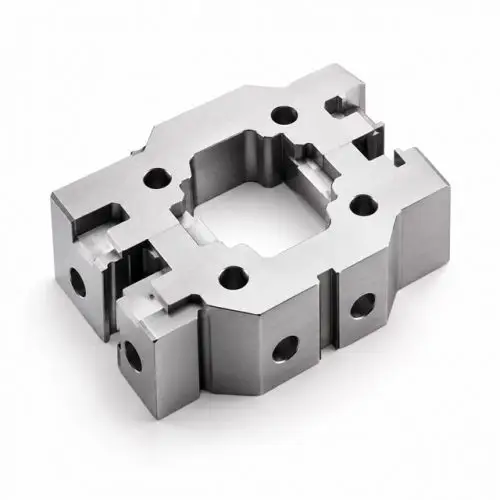
Run a short, full-process prototype: cut a small set using production feeds, assemble with production fasteners, and measure critical dimensions against GD&T. Document the exact tools, speeds, and clamping used. If a surface finish matters, test both machining and any secondary operations. Iterate only on measurable differences; don’t chase subjective “looks.”
What to ask your manufacturing partner
Ask how they replicate production fixturing for prototypes, whether they collect in-process inspection data, and how they control tool wear during the run. Request a brief report that lists what was changed between prototype and intended production—those notes prevent surprises later. Clear, technical answers are what separate noise from useful improvement.
Bottom line
Prototyping that mimics production eliminates guesswork: it reveals distortion, uncovers tooling risks, and proves assembly before scale. That kind of disciplined prototyping is what turns design intent into reliable parts, the kind of steady, measurable improvement teams expect from a partner like Hanstar.