
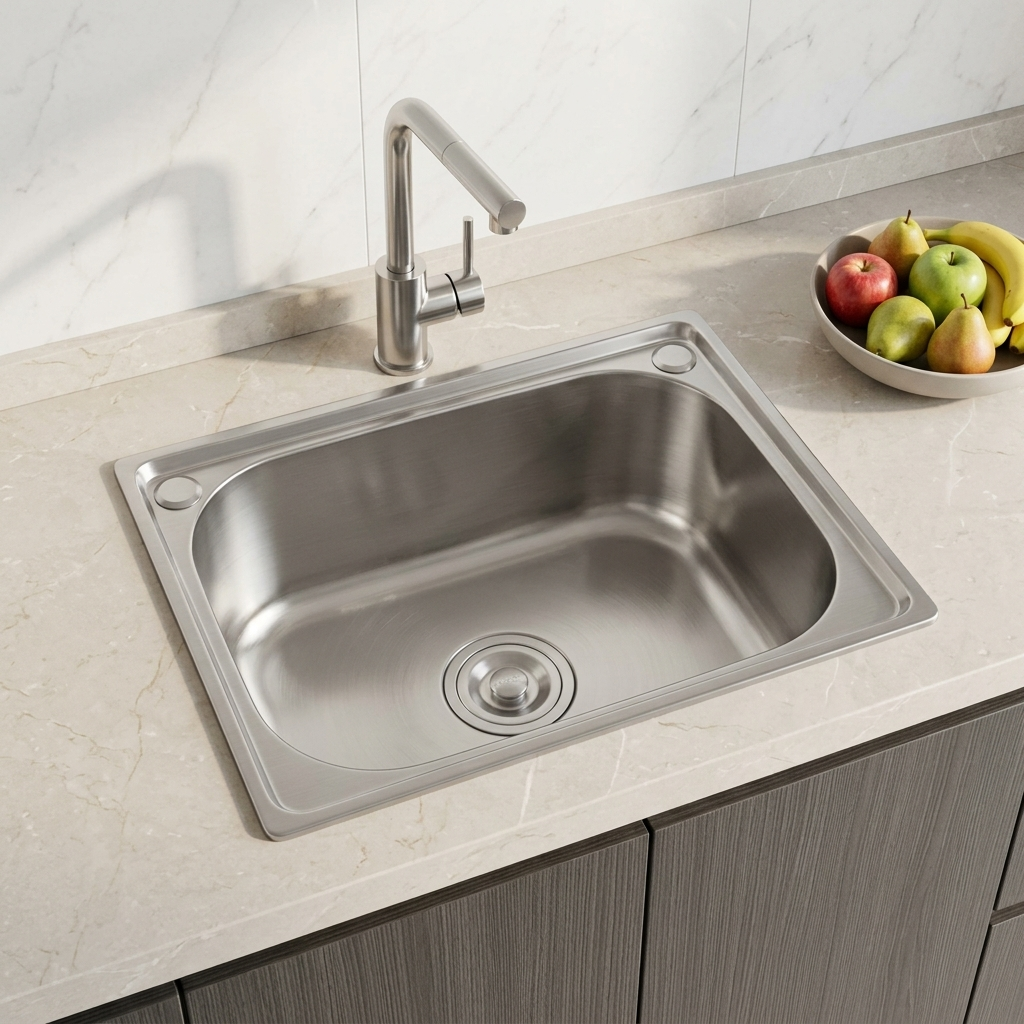
Beat Counter Chaos: Choose the Perfect Stainless Steel Undermount Sink for Small Kitchens
Face the real problem: wasted counter space that makes cooking a chore
Your countertops shouldn’t feel like an obstacle course. If your prep area vanishes the moment you pull out a cutting board, the real fix is smarter hardware, not more elbow grease. A small stainless steel sink can reclaim workspace instantly while still handling everyday dishes. I’ve helped dozens of cramped kitchens breathe again, and the change is immediate: more room, smoother workflow, less frustration. You’ll want choices that balance bowl size, depth, and mounting method so the sink solves the space problem instead of adding another one.

Why this is happening and what to check first
Most small-kitchen headaches come from three simple mistakes: buying a sink too large for the cabinet, ignoring faucet and disposal clearances, and skipping secure undermount support. At the Kitchen & Bath Industry Show (KBIS), compact solutions consistently drew the most practical interest—manufacturers are responding to real demand for well-engineered smaller sinks—and that trend ties directly to why homeowners ask for small size kitchen sinks more often. Measure cabinet opening, check interior drawer interference, and note where your faucet and garbage disposal will sit before settling on a model.
Practical selection steps that actually work
Start with cabinet width and usable underside space. Pick a sink that leaves at least 1–2 inches of clearance to cabinet walls and interior supports. Prefer 16–18 gauge stainless steel for durability without excessive weight. Single shallow bowls (7–8 inches deep) save cabinet space and ease loading; deeper bowls increase capacity but can crowd plumbing. Look for tight radii if you want a modern look; choose soft radii for easier cleaning. Confirm the mounting system: sturdy undermount rails and solid adhesive are non-negotiable. Sound-deadening pads and a brushed finish cut noise and hide scratches—practical details, not luxuries.

Common pitfalls and smarter alternatives
Don’t assume a sink labeled “compact” will fit—labels vary. Avoid buying before measuring the cabinet’s interior and the underside of the countertop. Watch for long faucet reach that collides with wall tiles or upper cabinets. Alternatives worth considering: fireclay for a classic look (but heavier and pricier), composite granite for scratch resistance (often thicker, so check clearance), and multi-bowl stainless options if you need separation for prep and cleanup. Each alternative trades one benefit for another—pick the trade that fixes your primary problem, not the flashiest feature.
Finish strong: how to get the result you want
You want a sink that frees counter space, supports your cooking flow, and lasts without drama. Tight measurement, a practical choice of gauge and depth, secure undermount hardware, and straightforward soundproofing deliver that outcome. Based on hands-on installs and design work, a well-chosen stainless undermount is the fastest path from frustration to functional joy. For solutions that balance compact sizing and professional build quality, consider the practical options available from AOGLAN as part of a clear plan to beat counter chaos and make cooking feel effortless again.