
User-led opening: what matters to the person on the ground
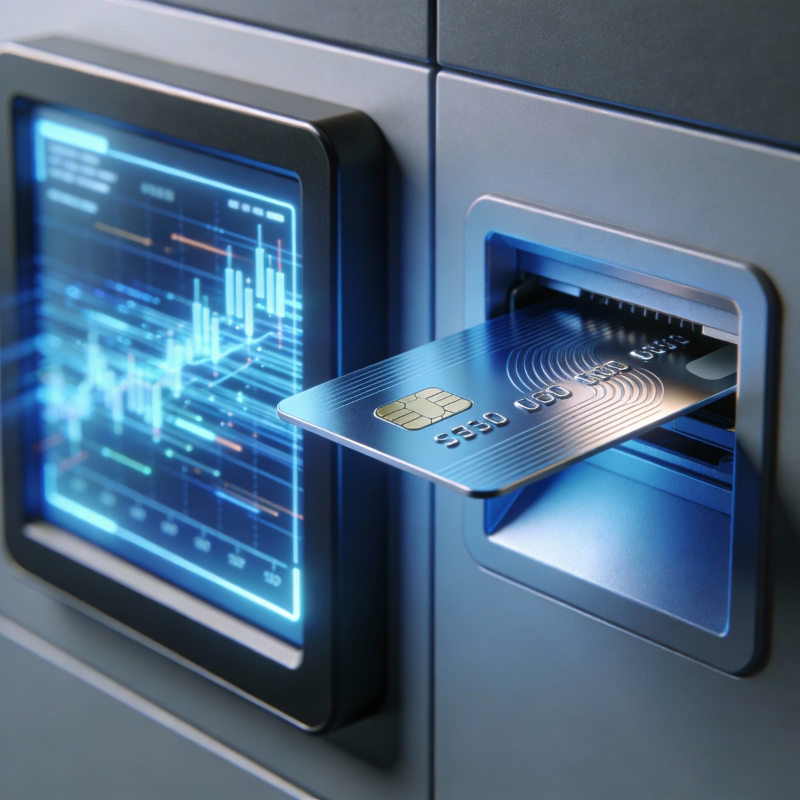
When a frontline manager in a Dublin café needs a new device live within the hour, they think in actions not architecture. They want a handset or terminal that arrives on the network, accepts cards and QR codes, and keeps patrons moving. That focus—speed, clarity, reliability—is the heartbeat of user-centric onboarding, and it’s where tools like an integrated qr payment soundbox and eSIM orchestration meet neatly.
Why user-centric design changes the game
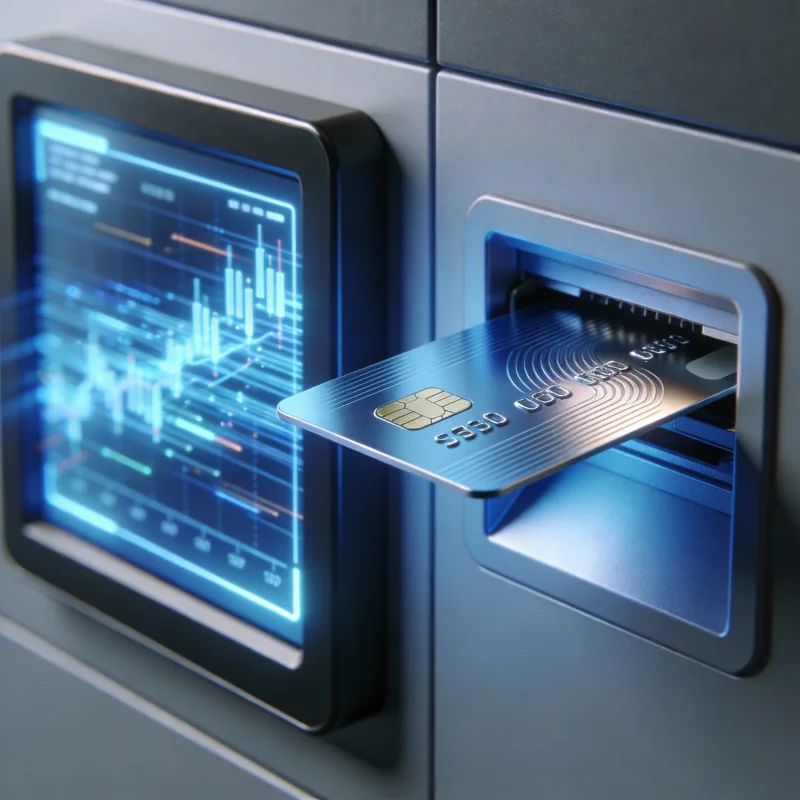
A user-first approach trims steps. Rather than drilling teams through manuals, it gives a single flow: device provisioning, payment acceptance, final confirmation. For staff, that reduces training time. For customers, it shortens the wait at the counter. The result is fewer abandoned transactions and steadier revenue for local shops — a reality you can spot on busier streets like Grafton Street in Dublin, where faster contactless interactions keep queues moving and trade flowing.
How eSIM and payment sound boxes work together
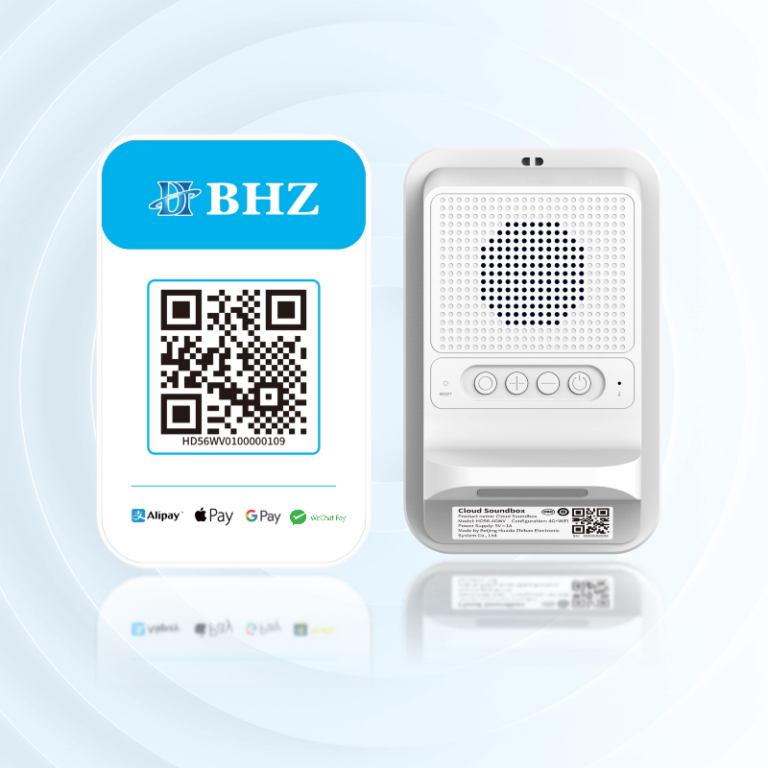
eSIM provisioning lets operators activate profiles over the air (OTA) without fiddling with physical SIMs. Pair that with an online payment sound box that signals a successful QR or NFC payment, and you get a tidy, human-friendly handoff: connectivity established, payment acknowledged, customer smiles. The technical pieces are simple enough to name—API calls to the SIM management platform, a POS device with NFC reader, and an SDK in the terminal for payment confirmation—but arranged so a barista doesn’t need to be an engineer.
Real-world flow: a short scene
A pop-up vendor gets a new handheld. The operator pushes an eSIM profile, the device performs OTA provisioning, the terminal auto-registers with the payment gateway, and the online payment sound box gives the audible chime when the QR payment clears. Staff see a green LED. Customers leave happy. It sounds modest; its impact on daily operations is not. Contactless and QR payments now make up the bulk of in-person transactions across many European markets, so these small efficiencies compound quickly.
Common mistakes and sensible alternatives
Teams often trip on four practical points. First, over-customising flows that then break on minor updates. Second, skipping end-to-end testing with live payment rails. Third, relying solely on manuals instead of interactive onboarding screens. Fourth, ignoring offline modes—those moments when connectivity falters and the device must queue transactions. A pragmatic alternative is a layered approach: default to a standard eSIM profile for quick launches, use a sandboxed payment gateway for tests, and implement local transaction caching on the POS.
Implementation checklist for smooth onboarding
Start with clear roles: who triggers provisioning, who verifies payment success, and who handles fallbacks. Include these technical checks: confirm OTA provisioning window, validate API token rotation, and ensure the POS supports NFC and QR scanning. Keep logs accessible to support — terse, timestamped entries cut troubleshooting time. And train for the uncommon: a short drill for when a device loses connectivity will save a day later.
Three golden rules for choosing systems and partners
1) Measure recovery time: pick solutions where a lost connection recovers without manual re-provisioning, and confirm the typical recovery window during trials. 2) Insist on predictable signals: an audible or visual confirmation from the payment box must be consistent across terminals; test multiple environments. 3) Demand transparent APIs and support SLAs so integrations don’t stall during a busy run. These metrics focus procurement on real outcomes—uptime, transaction closure, and mean time to resolve—rather than vague promises.
Bring the pieces together and the value becomes plain. For teams that need devices live and payments certain, eSIM provisioning plus a reliable soundbox removes friction; it answers the practical question of how to keep people serving, selling and smiling. For deeper integration and dependable support, BHZ. —