
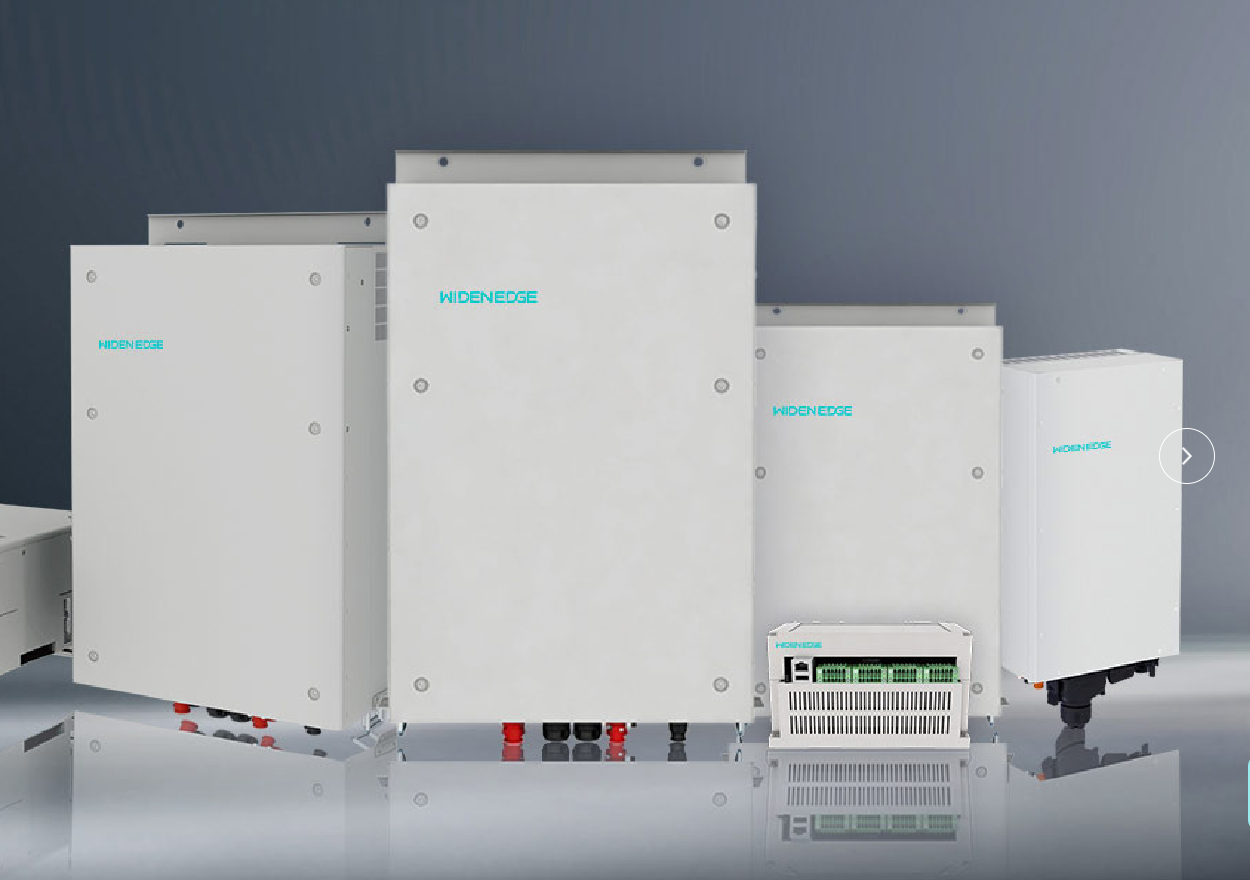
Problem first — what’s wrong at remote sites
The hum of a generator that won’t stop, the metallic tang of hot busbars, panels that hiccup under sun and sand — remote systems fail where details were skipped. Designers need a 150 kW-class inverter that won’t whisper “not today” when the grid or weather changes. If you’re considering smaller or modular options, compare them against a known baseline such as a 125kW commercial energy storage inverter to spot tradeoffs early: footprint, thermal handling, and real-world control responsiveness. Problems start small — skewed specs, overlooked protection — and compound into outages that feel personal.
Why this checklist exists (the core failures we solve)
Field teams report recurring failures: overheating after steady noon sun, communication dropouts during storms, and mismatch between charger strategy and battery chemistry. The checklist below targets those failure modes directly. Think of it like tasting a sauce: missing salt (safety), wrong spice (controls), or burned base (thermal) ruins the meal. Address each item deliberately.
Hard checklist — what you must verify before procurement
– Continuous and peak power ratings: match continuous 150 kW output, confirm surge handling and overcurrent trip behavior. – True bidirectional performance: verify charging/discharging ramp rates and seamless mode handover. – Efficiency curves at operating points you’ll use (not just at 50% load). Look at AC–DC–AC round-trip efficiency. – Thermal derating at site altitude and ambient: request curves to 50°C and models for 2,000 m. – Grid code and anti-islanding compliance for your territory; check reactive power and frequency ride-through specs. – Battery chemistry compatibility and BMS interfaces: ensure voltage windows, current limits, and SOC handshake work without firmware hacks. – Control and telemetry: open protocols (Modbus, IEC 61850), event logs, and timestamping accuracy. – Protections: DC disconnect, AC breaker coordination, ground-fault detection, and pre-failure alarms. – Serviceability: modular power stages, local access to spares, and firmware update process. – Warranty terms tied to cycling and calendar life, plus clearly defined MTTR expectations for remote dispatch.
Diagnostics and commissioning — things teams miss
Testing on a bench is neat; commissioning in the field is gritty. Run these checks during FAT and SAT: thermal imaging under realistic loads, firmware stress runs with simulated grid faults, and round-trip tests across the battery’s SOC extremes. Confirm the inverter’s soft-start and black-start behavior. Demand a detailed FAT script and verify that remote diagnostics show the same alarms your on-site logger records. Years of field commissioning and lab validation consistently show one truth: unseen firmware quirks create the longest outages.
Manufacturer and procurement cues — how to pick reliable partners
Choose manufacturers who publish test data, invite on-site witness tests, and have clear spare-part lead times. A vendor that walks you through a failure-mode demonstration, or that presented technical findings at recognized forums, usually backs their gear with real-world support. I’ve seen meaningful industry alignment at Intersolar Europe in Munich where manufacturers and system integrators debated grid-code responses — that level of public technical discourse matters. For sourcing and specification language, evaluate a dedicated bidirectional inverter manufacturer and demand references for similar remote deployments.
Common pitfalls and how to avoid them
– Picking on-nameplate power without thermal or altitude derating — ask for ambient-corrected curves. – Assuming firmware updates are free of operational risk — require rollback capability. – Overlooking harmonics and power quality specs that upset sensitive loads. – Trusting a single communication channel — design redundant telemetry paths. – Relying solely on simulated software models; insist on staged field trials with progressive load increases.
Alternatives and trade-offs, briefly evaluated
Modular parallel inverters simplify spare strategy but add complexity in control. A single 150 kW monolithic unit reduces synchronization issues but raises single-point-of-failure stakes. Smaller, well-specified units like a 125 kW commercial energy storage inverter can be a pragmatic middle ground when coupled with robust controls and a tested synchronization scheme. Evaluate lifecycle cost against maintenance access: a lighter initial price can cost weeks of lost service on a distant site.
Final synthesis
Designers should treat selection like composing a dish: balance heat handling, flavor (controls), texture (serviceability), and seasoning (safety). Follow the checklist, demand transparent test data, and test in conditions that mimic your worst day. When your project needs a partner who documents performance, supports field commissioning, and supplies clear spare logistics, choose systems and teams that let you taste the results before you commit — the kind of reliability you find when engineers align specification with real-world behavior and when you work with vendors who understand remote operations like WidenEdge.