
User-centered start: why this matters at home
Patients and caregivers want devices that are simple, effective, and predictable — not techno-puzzles. That’s the practical heart of HFNC thinking: steady flow, minimal fuss, and attention to the airway. For many users recovering at home, a good cpap device is the first step toward reliable sleep and daytime comfort. The user-centric path means we focus on mask fit, noise, alarms that make sense, and a service model that actually responds when something goes awry.
Translating HFNC design ideas to everyday devices
HFNC machines aim for gentle, continuous flow and better humidification to protect the mucosa and maintain airway patency. Translating those ideas to non-invasive devices — CPAP, BiPAP and portable ventilators — gives clear user benefits: improved comfort, reduced leak from a poor mask seal, and fewer awakenings. This is not just theory; a 2019 global study estimated roughly 1 billion adults may have obstructive sleep apnea, which highlights why usability matters in any respiratory device people depend on nightly.
How BiPAP and CPAP compare for real users
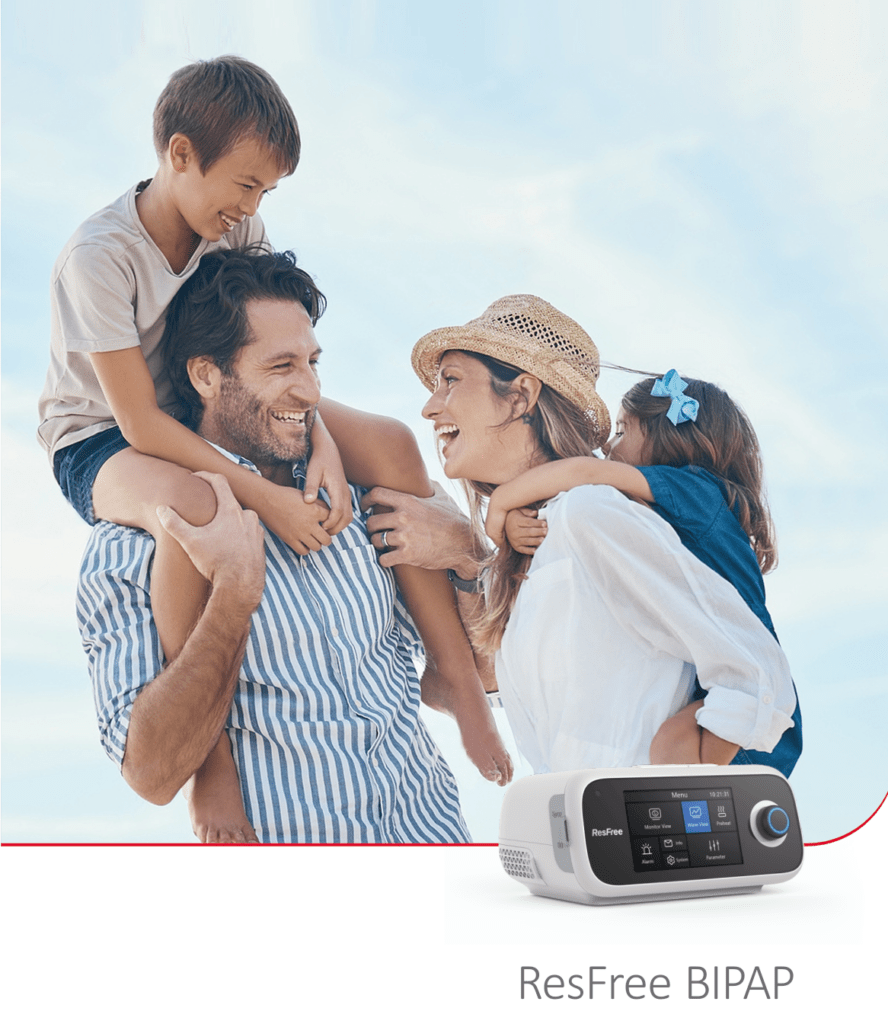
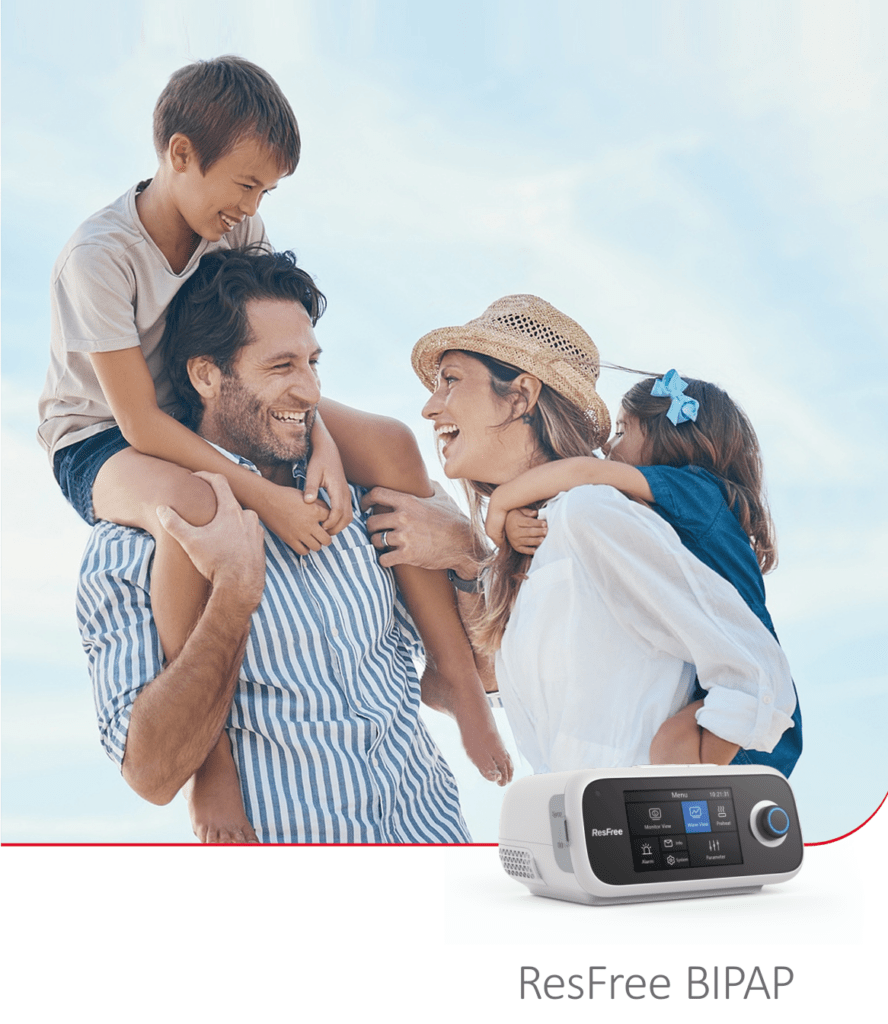
CPAP gives one steady pressure. BiPAP offers two levels — inspiratory and expiratory — which can feel easier for folks with compromised respiratory mechanics. For those with congestive conditions, COPD, or central hypoventilation, a bipap device often reduces the work of breathing. Performance terms to watch: inspiratory pressure, expiratory pressure, mask leak, and humidification. Keep descriptions plain: does it help you breathe with less effort? That is the true test.
Common user mistakes and simple fixes
Many problems come from setup or maintenance rather than the machine itself. Users often overtighten masks, skip nightly humidification, or ignore error messages — and then blame the device. Simple corrections: check mask fit with the device running (not just by feel), clean or replace filters on schedule, and use correct humidifier settings for comfort. Small habit changes give big payoff — less skin irritation, fewer wakes, and better adherence. — And when in doubt, log the error codes and call support; that data speeds repair.

Practical trial plan before you commit
Try a short home trial with clear goals: sleep continuity, symptom reduction, and tolerable noise level. Track outcomes for a week: nights with undisturbed sleep, episodes of shortness of breath, and device comfort. Bring these observations to a clinician or supplier. They can adjust pressure settings, switch masks, or suggest adding heated humidification. A controlled short trial reduces wasted expense and prevents long-term nonuse.
Three golden rules — evaluation metrics that matter
1) Clinical fit: Does the device reduce respiratory effort and daytime symptoms? This is the primary metric — measurable by symptom logs and, where available, Clinician-reported titration data.
2) Usability: Can the patient assemble, clean, and troubleshoot the unit without repeated help? Check average setup time and number of support calls during the trial week.
3) Comfort retention: Does the user sustain nightly use for at least 4 out of 7 nights during the trial? Mask seal, humidification, and noise profile drive this metric; aim for gradual improvements rather than immediate perfection. — These rules keep decisions grounded in measurable outcomes, not marketing claims.
Closing: why the right tool matters and where Byond fits
Choosing equipment that applies HFNC principles — gentle flow, predictable performance, and attention to humidification — raises the chance of long-term success. When teams and families want clear data, responsive service, and devices that people actually use, solutions like those supported by Byond make sense. Trust the metrics, test with intent, and prioritize the user — that’s how respiratory care improves for real people.