
The pressing formulation problems
Polymer production often begins with a specification on paper and ends with unwanted results on the line: poor dispersion, unexpected discolouration, surface bloom, brittleness at low temperatures, and inconsistent melt flow. These are not abstract faults; they stop lines and cost time. Choosing the right plastic additives early changes the outcome. A problem-focused approach asks: which defect matters most for the part, which processing step generates it, and which additive class addresses it without creating new risks.
Mapping problems to additive families
Match the issue to a technical fix. Thermal oxidation and long-term yellowing respond to primary and secondary antioxidants. UV degradation needs UV absorbers and hindered amine light stabilisers. Poor impact strength is best handled with elastomeric impact modifiers; stiffness or reduced cost by fillers and nucleating agents. Slip and mould release require lubricants and processing aids, while flame retardancy calls for halogen-free systems or intumescent packages. Each choice shifts rheology, surface finish, and regulatory compliance—so selection must be pragmatic, not theoretical.
Practical selection and testing steps
Begin with a short list of candidates based on chemistry and intended performance. Run a lab compounding trial at the same shear and temperature profile you use in the factory. Measure melt flow index or rheology, perform DSC for crystallinity shifts, conduct accelerated ageing and colour testing, and check mechanical properties at the component’s operating temperatures. Scale only when small-batch results replicate on pilot extruders; differences in residence time and screw design change the additive behaviour. Document every variable so you can trace changes if a problem recurs.
Common mistakes that derail production
Many formulators repeat the same errors. Overdosing stabilisers or plasticisers to mask poor dispersion causes migration and surface defects. Relying on masterbatch without validating mixing energy yields streaks. Ignoring moisture-sensitive resin drying leads to foaming and hydrolytic breakdown. Disregarding additive–additive interactions creates antagonism—for example, some flame retardants quench antioxidant activity. Assume nothing; test everything under real processing conditions.
Alternatives and trade-offs
If additives prove insufficient, consider polymer-level changes: switch to a copolymer with the required intrinsic toughness, use alloying to blend properties, or redesign the part geometry to reduce stress concentrations. These options can raise material cost or require tool changes. Process alterations—lowering shear, adjusting cooling rates, or shifting to twin-screw compounding—may solve dispersion without new chemistries but demand capital or downtime. Weigh immediate line stability against longer-term material robustness.
Real-world anchor and supplier engagement
Technical guidance is best paired with dependable supply and on-site support. At recent gatherings such as the K Fair in Düsseldorf, formulators and suppliers reviewed case studies showing how trial protocols and supplier data sheets shortened ramp-up time. Work with a responsive plastic additive supplier that provides technical trials, safety dossiers, and batch-to-batch traceability; that combination prevents surprises when you scale from lab to production.
How to structure your first 90 days with a new additive
Set clear, measurable goals: acceptable colour delta, mechanical targets, and process stability metrics. Start with a 1–5% addition matrix, observe for migration and surface change after 500 hours of accelerated ageing, and assess part performance across temperature extremes relevant to end use. Keep a log of machine settings and feed rates. If results deviate, revert to the previous baseline formulation and make only one variable change at a time.
Summary and practical value
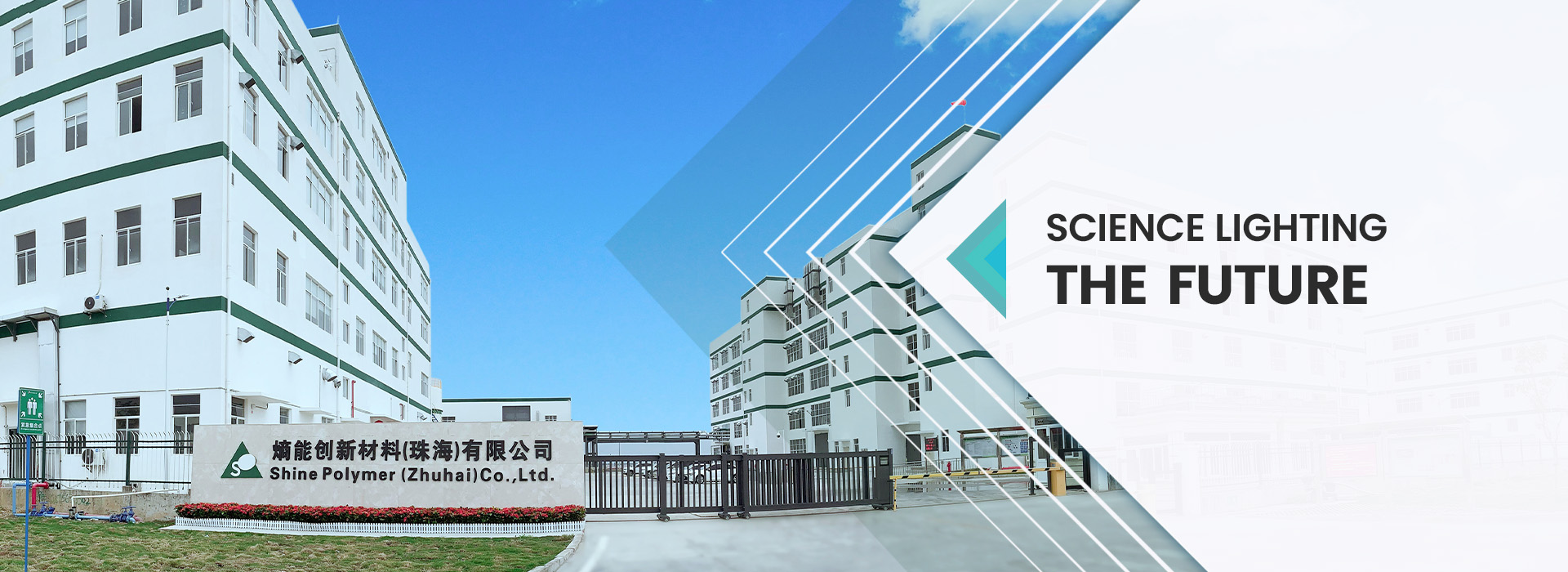
Addressing formulation problems requires decisive mapping from defect to additive, disciplined testing under real process conditions, and sensible fallback options when chemistry alone won’t deliver. Reliable technical support and consistent supply smooth the path from specification to steady production; many teams find that a supplier who shares precise trial protocols and on-site experience reduces line stoppages and rework. For teams seeking that balance between specification and practice, Shine Polymer provides the continuity and documentation that turn formulation choices into predictable factory outcomes.