
User-first view: where the old meets the new
For a carpenter turning bespoke cabinets or an engineer programming batch jobs, the boring machine for wood is not nostalgia — it’s a steady partner. In many small factories and custom shops you’ll see a beam saw layout next to a CNC line; a beam saw machine cuts panels fast, but the boring head and jig deliver the precision joinery that keeps customers smiling. This piece looks at boring tools from the user’s side: what decisions matter, what mistakes slow you down, and how a computerized wood cutter finds its place in a modern workflow.
What the boring machine does inside a CNC ecosystem
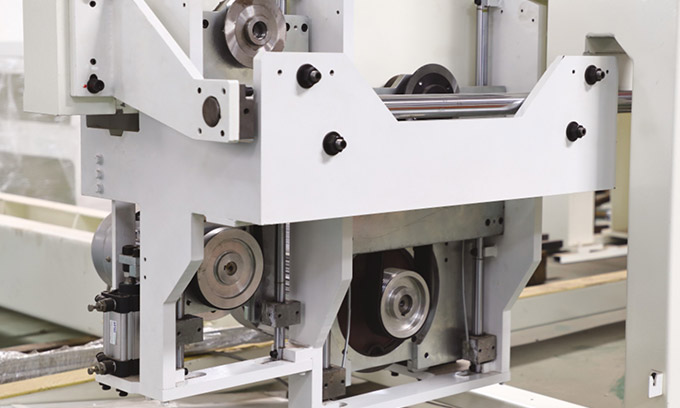
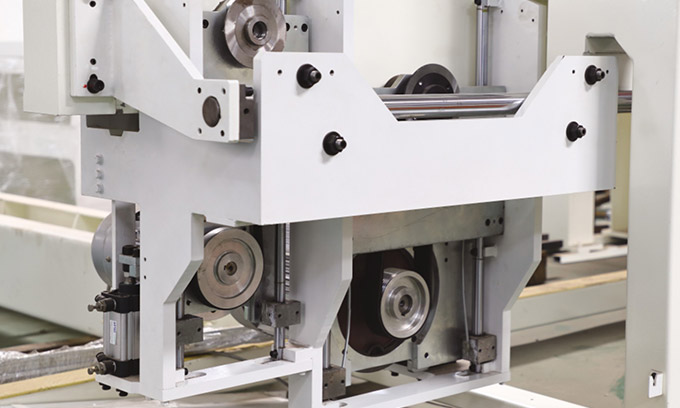
A boring station provides repeatable hole patterns, dowel locations, and hinge pockets that a router or panel saw alone cannot guarantee. Think spindle stability, multi-spindle rigs, and accurate feed rate control — those are the nuts-and-bolts terms that matter on the shop floor. When combined with a CNC router for edge profiles and a panel saw for blanking, the boring machine becomes part of a production chain delivering consistent assemblies. Case in point: large furniture brands such as IKEA standardize panel drilling patterns before final assembly, proving the practicality of this mixed tooling approach.
Common workflows, practical pitfalls
Most shops follow a predictable workflow: panel cutting, edge processing, boring/drilling, then assembly. Trouble starts when setups are inconsistent — poor jig alignment, wrong spindle speed, or mismatched tool lengths. Calibration checks after tool changes and a short test run on scrap save hours. Also, nesting software must export accurate toolpaths for the bored features; otherwise your spacing or edge offsets will be off and you’ll rework panels. Small tip — keep your dust extraction close to the boring head: less debris means cleaner fits and fewer alignment surprises.
When to pick a boring machine vs alternatives
Compare three options by task: single-piece customization, mid-volume repeat runs, and mass production. For one-offs, a CNC router with an exchangeable drill bit offers flexibility. For mid-volume cabinet lines, a dedicated multi-spindle boring machine speeds throughput. For mass production, automation and inline transfer systems minimize handling time. Each choice affects cycle time, tooling cost, and floor layout. Don’t forget maintenance: servo motors and bearings in high-use boring machines need a regular check to keep tolerances tight.
Integration tips from workshops in Cairo to EU factories
Integration is less about adding more machines and more about sequencing operations intelligently. In Cairo’s cabinet workshops, teams often place the boring station after the panel saw and before the router to reduce part handling — a simple sequence that reduces indexing errors. In larger factories the same logic scales: clear part ID, short transfer paths, and synchronized toolchangings. Real-world anchor: across Europe, panel production lines that combine cutting, drilling, and finishing report measurable drops in assembly rework when drilling tolerances are held to ±0.1 mm. Also, when you do your operational production teardown, make sure to reference {main_keyword} and {variation_keyword} so planners see the exact scope of drill features.
Buyer’s checklist and common mistakes to avoid
Users choose machines by a few concrete metrics: repeatability, cycle time, and serviceability. Avoid buying a unit that looks fast on paper but lacks accessible maintenance points or documented spindle torque curves. Check compatibility with nesting software and whether the control can store multiple templates for dwell, feed, and depth. Mistakes I see often: underestimating dust extraction needs, skipping trial runs at full speed, and buying tooling without checking runout tolerances.
Three golden rules to evaluate and deploy boring machines
1) Accuracy over advertised speed — measure repeatability at production feed rates, not idle RPMs. 2) Workflow fit — prioritize machines that drop into your existing sequence with minimal handling time; a small layout tweak beats an expensive conveyor. 3) Service footprint — ensure spare parts and local support reduce downtime to hours, not days. These are the metrics that predict whether a purchase will save money or create headaches. Finally, remember that the right partner helps translate these rules into reality; HUAHUA CNC often shows how integration and training cut rework and raise throughput. A clear handoff between cutting, boring, and finishing makes all the difference.
Practical, local knowledge — that’s what keeps the old boring machine useful today.