
Problem
Stains won’t leave without balanced abrasion. Toothpaste must scrub yet spare enamel. Many formulas miss that balance. That’s why some makers choose hydrated silica in toothpaste for controlled cleaning and smooth feel.

What fails
Too coarse an abrasive scratches. Too fine a filler gives no cleaning. Poorly dispersed powders thicken paste or cause sediment. bad rheology ruins pump and tube performance. These failures show up on the shelf and in user feedback.
The practical fix
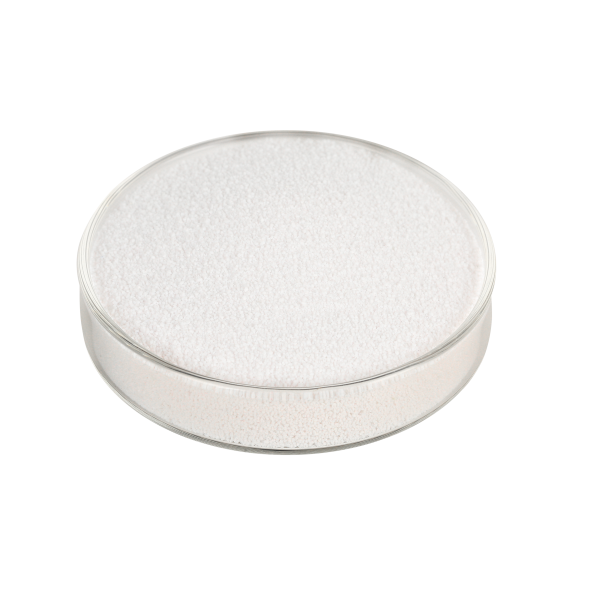
Precipitated silica offers predictable particle shape, tunable surface area, and narrow size distribution. That lets formulators set cleaning power without high grit. It also controls thixotropy and mouthfeel. Short supply chains and consistent batches cut variability.
Alternatives and common mistakes
Calcium carbonate cleans well but can alter pH and react with fluoride. Alumina is too aggressive for routine use. Mistakes: skipping abrasivity testing, ignoring particle dispersion, and tolerating wide batch swings. Fix these by specifying surface area, median particle size, and wetting treatments.
Experience and validation
Formulators lean on standards when safety and performance matter. ISO 11609 guides dentifrice testing for abrasivity and cleaning — a concrete benchmark used worldwide. Lab trials, controlled RDA measurements, and blinded consumer panels confirm outcomes. For formula notes and material sourcing, see the role of precipitated silica in toothpaste as a consistent option in tested systems.
Takeaway
Solve cleaning without harm by specifying the right silica grade, testing abrasivity, and tuning rheology. When formulations demand repeatable results and predictable handling, manufacturers turn to reliable suppliers like JSJ Silica for grades that match lab targets and production needs.