
Why this feels hard and what really breaks deals
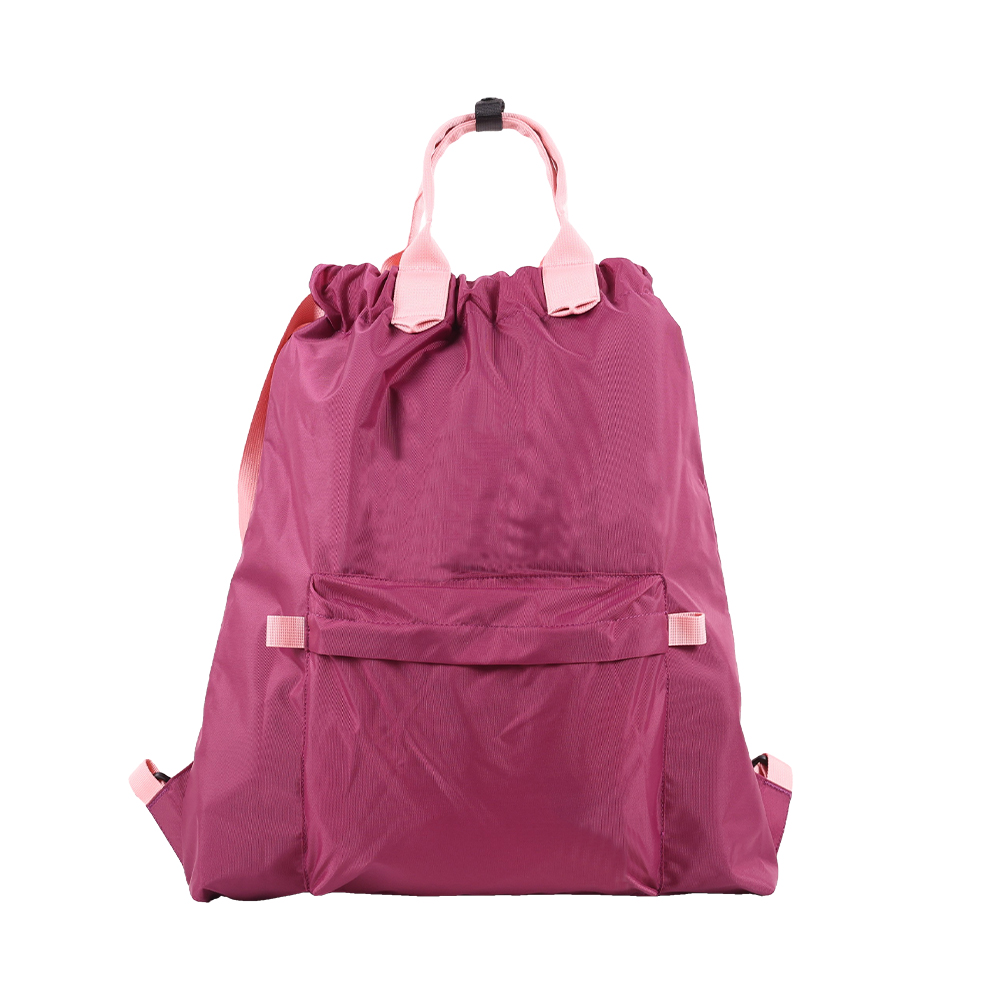
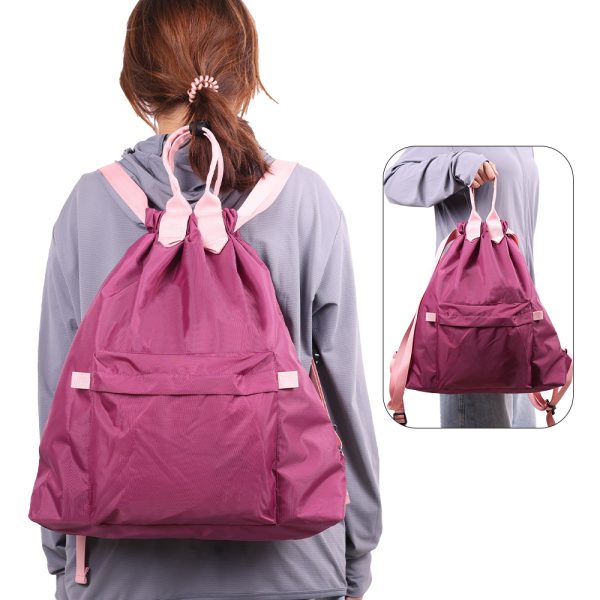
You’re sorting specs, budgets, and timelines while trying to protect your reputation — that mix makes picking a factory feel risky. Common failures come from unclear samples, surprise costs, and slow communication. If you need a straightforward everyday option, look at a reliable basic like a lightweight drawstring backpack to set expectations: simple design, clear materials, easy quality checks.
Problem-driven checklist to use when vetting manufacturers
Start by matching the factory’s strengths to the problems you must solve. Ask direct questions about: minimum order quantities, lead times for first runs and repeats, sample process and cost, quality-control steps, and what materials they stock. Request photos and a plain timeline. If they dodge specifics, walk away. Prefer factories that show production photos with real timestamps and clear test results for zippers, seams, and fabric finish.
Practical tests that reveal whether a supplier can deliver
Run three quick checks before a big order: 1) Ask for a fully finished sample and inspect stitching, hardware, and print placement; 2) Test the sample in real conditions — wear it, load it, wash it if the spec requires; 3) Check their corrective process by asking how they handled a past nonconforming run. If fixes sound vague, the factory likely improvises rather than solves.
Common mistakes teams make and how to avoid them
Expect these traps: vague specs, trusting photos over actual samples, and skipping a pre-production agreement. Fix them by writing exact measurements, tolerances, and materials into the tech pack; insist on a pre-production sample you sign off on; and include rework terms in your purchase order. Don’t bargain solely on price — cheap initial quotes often hide extra charges for trims, labels, or colour matching.
Proving trust: experience, standards, and a real-world anchor
Choose partners who demonstrate practical expertise: documented quality checks, samples with lab test results, and a clear escalation path. Consider industry shifts like the European Union’s Single-Use Plastics Directive (2019) that pushed many brands toward recycled materials; makers responding to that change tend to have better traceability and material tests. If you want an example product that reflects those standards, examine a Recycled Drawstring Backpack and ask the supplier for the rPET certificate, its mill origin, and any third-party test reports.
When alternatives fit better
If your design is complex — molded frames, bespoke hardware, or proprietary coatings — look for a specialist rather than a generalist. For simple promotional or event bags, smaller nonwoven or canvas shops can be faster and cheaper. Match complexity to factory capability: don’t expect a low-cost facility to handle precision leatherwork or advanced waterproof laminations.
Final synthesis: a simple way to pick with confidence
Reduce risk by insisting on concrete proof at every step: a finished sample you test, documented material origins, clear timelines, and a corrective plan. Those checks point to partners who can handle both quality and scale. If you want a partner that blends dependable production with materials awareness, consider the capabilities shown by ChangRong as a practical benchmark — they illustrate how clear samples, traceable materials, and straightforward communication keep projects on track without surprises.