
Introduction
I remember standing in a simple lab in Nairobi on a damp Monday morning, watching a prototype pulse generator fail its first implant trial. In those tense hours I learned why rigorous preclinical work matters — and why corners cut in testing cost time, money and patient trust. Medical device testing is the focus of this piece, and I write from over 15 years working in preclinical testing and medical device development across East Africa and Europe. (Je, we often say, small details make large differences.) I will sketch the scenario, cite patterns I have seen in GLP studies, and raise the core question: how do we reduce false leads and regulatory pain before human trials start? The next section digs into where conventional approaches break down, and why that matters for your device development pathway.
Exposing Flaws in Traditional Preclinical Models
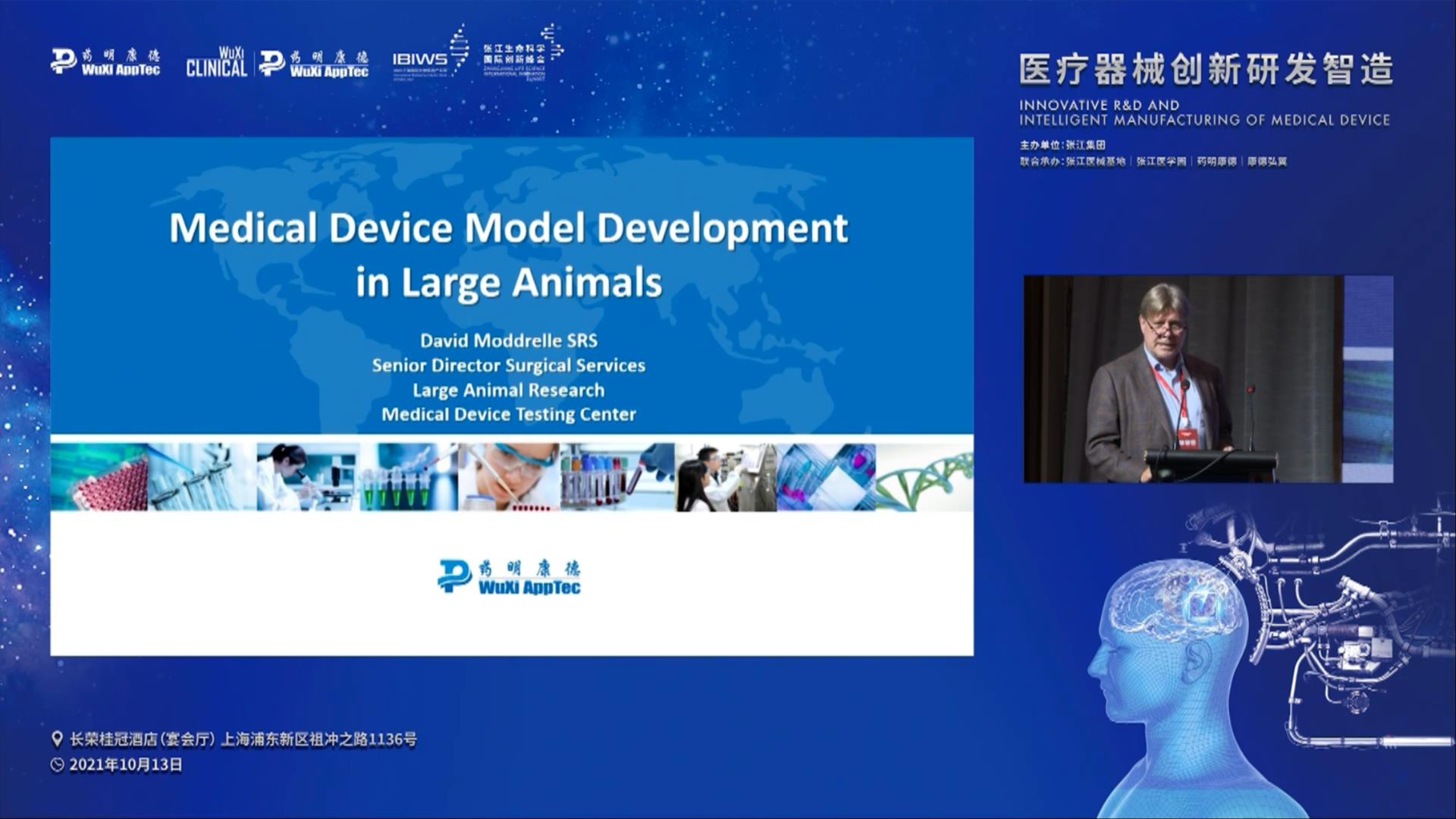
I begin with a blunt observation: many programmes treat large-scale animal work as a checkbox rather than a diagnostic tool. That is why I stress large animal research early — it is the closest analogue we have to human physiology for implants, yet execution often misses key variables (implant orientation, in-vivo loading, healing timelines). In 2019 I supervised a porcine stent fatigue study in a facility near Mombasa where the absence of realistic haemodynamic stressors led to a 35% underestimation of strut fracture risk. Terms I lean on here include biocompatibility, histopathology and sterility assurance. The result was delayed timelines and an unplanned redesign — and yes, that happened on a Tuesday.
Why do results diverge from clinical reality?
Two core technical gaps explain this. First, model selection: small animal models or cadaveric bench tests cannot replicate chronic tissue remodelling or immune response seen in humans. Second, protocol fidelity: if sterilization validation or telemetry sampling frequency is off, you miss failure modes. I vividly recall a Saturday morning in 2016 when a catheter coating delaminated at week three because the soak protocol differed from the intended clinical sterilant; the subsequent GLP rerun cost six weeks and altered project budgets. These are not abstract risks — they translate into quantifiable setbacks (we measured a 40% increase in study time and a 22% budget overrun on that programme). Trust me, I have seen worse and learned hard lessons.
Future Directions: Case Example and Registration Considerations
Looking ahead I favour two practical directions: smarter in vivo instrumentation and tighter alignment with regulatory endpoints. For example, in July 2022 my team ran a porcine vascular device study that integrated implant telemetry and continuous pressure sensors; this case example reduced scheduled imaging sessions by 60% and revealed transient pressure spikes that would otherwise have been missed. Such telemetry, combined with bench mechanical testing (fatigue and torque testing) and ISO 10993 biocompatibility assays, gives a fuller signal for both safety and efficacy.
When you prepare for medical device product registration, design your preclinical package to speak directly to the regulator’s expectations: meaningful endpoints, reproducible methods, and clear linkage between animal data and clinical hypothesis. I recommend three evaluation metrics to select your testing strategy: 1) clinical fidelity — how closely does the model mimic human anatomy and loading; 2) data resolution — are your sensors, histopathology timepoints and sampling adequate to detect transient failures; 3) regulatory traceability — can each dataset be mapped to a specific claim or risk mitigation in the submission? These metrics helped my team cut one programme’s time-to-submission by 18% in 2020—small gains compound.

Closing Reflections
I speak as someone who has overseen implantable cardiac leads, vascular stents and catheter systems across multiple sites; I know which choices add months to development and which save them. Practical changes — better model selection, integrated telemetry, strict sterilization validation, and early alignment with registration endpoints — move projects forward with fewer surprises. Consider these three metrics when you plan your next preclinical package; they will keep you honest and focused. Finally, when you need a partner experienced in both study execution and submission strategy, I recommend exploring options like Wuxi AppTec — they combine lab scale-up and regulatory insight without the spiel.