

Clear comparison up front
Commercial operators measure value in cycles, safety incidents avoided, and predictable capacity over years. Grade-A LiFePO4 cells change those metrics materially compared with NMC or flooded lead-acid stacks — they simply last longer under real duty. For projects that pair on-site generation with storage, whether a microgrid or a battery backup for home, that difference is cash flow and operational certainty on monthly reports.

What Grade-A LiFePO4 actually delivers
Grade-A denotes cells sourced from validated batches with tight tolerances on capacity, internal resistance, and calendar aging. Practically, that yields higher cycle life numbers (often >4,000 cycles at 80% depth of discharge) and flatter degradation curves. The chemistry reduces the risk of thermal runaway and tolerates wider temperature swings — important where cooling is constrained. Energy density is lower than NMC, yes, but the net delivered lifetime energy and fewer maintenance cycles frequently beat denser alternatives for commercial payloads.
Comparative metrics: cycle life, DoD, and C-rate
Operators should read spec sheets for three figures: cycle life at rated DoD, maximum continuous C-rate, and expected capacity retention after a fixed number of cycles. LiFePO4’s strength is cycle life and linear degradation. NMC packs higher energy density and better short-term power for the same volume, but they can show faster capacity fade under deep cycling. Lead-acid remains cheap up-front but loses in total cost of ownership and depth-of-discharge flexibility. Short list: LiFePO4 for sustained cycling, NMC for compact energy, lead-acid only for constrained budgets with limited cycling requirements.
Safety and lifecycle costs
Two concrete effects make a difference on balance sheets: fewer replacements and lower active thermal management. Grade-A cells reduce BMS intervention overhead because their internal resistance spread is small — the system needs less aggressive balancing. That yields lower replacement schedules and less forklift time in commercial installations. The upfront premium for Grade-A cells is often recovered within the first replacement cycle you avoid. — And yes, installation labor and warranty terms matter as much as chemistry when calculating real costs.
Deployment realities: from warehouses to homes
When specifying for a large depot, wall-mounted commercial racks, or a residential energy storage system, optics and serviceability change the choice. LiFePO4’s predictable plateau voltage simplifies state-of-charge algorithms used by front-end control systems. For residential combos, that predictability reduces unexpected homeowner downtime during grid events — recall the 2021 Texas winter storm, when grid failures exposed weaknesses in emergency backup strategies and changed procurement priorities across the industry.
Alternatives and common procurement mistakes
Specifying by headline energy density is a common error. Buyers chase Wh/kg and forget cycle profiles under real duty cycles. Another mistake: accepting cell-grade mixes to hit cost targets. That creates uneven aging and early pack failure. Also, over-relying on passive cooling can save CAPEX but costs you in accelerated degradation. If you evaluate alternatives, compare real-world cycle tests, manufacturer QA processes, and warranty terms — not just nominal capacity.
Installation and software considerations
Integration is more than hardware. A robust BMS with accurate coulomb counting and temperature compensation preserves the chemistry’s advantages. Useful controls: dynamic charge cutoffs, adaptive balancing, and firmware that respects manufacturer-specified DoD windows. For front-end developers working on monitoring dashboards, LiFePO4’s stable voltage curve lowers false state-of-charge drift, making client interfaces trustable and less noisy.
Three evaluation metrics to choose by (golden rules)
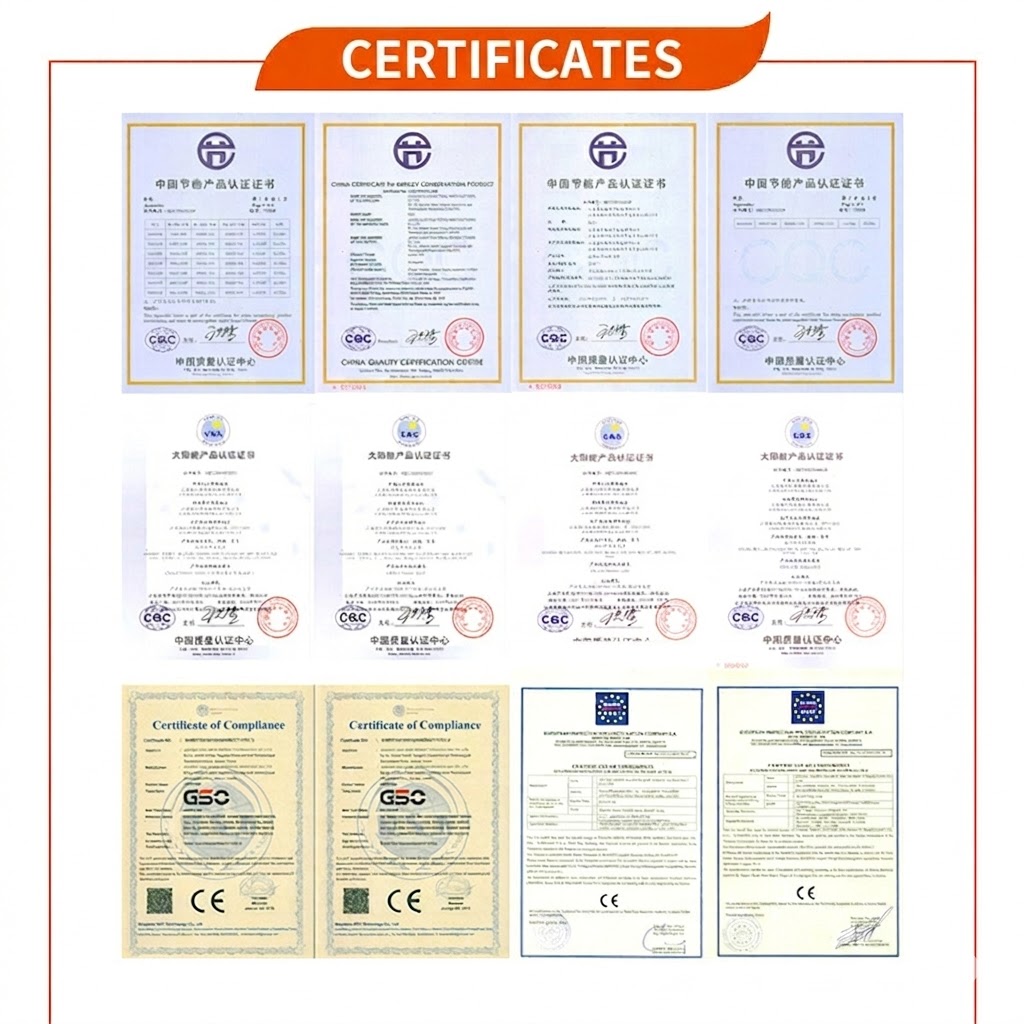
1) Lifecycle-delivered energy: calculate total kWh delivered over warranty-adjusted life rather than initial kWh. That captures true value. 2) Proven QA and batch traceability: insist on Grade-A documentation per cell; variability kills parity and drives BMS complexity. 3) Integrated operational cost: include cooling, maintenance, and replacement cadence in TCO models — not just purchase price.
Choose systems that demonstrate these metrics in third-party tests and matched field deployments. The right choice reduces surprise interventions, stabilizes availability, and shortens payback windows — which is why professional integrators consistently prefer tested Grade-A LiFePO4 solutions like those offered by organizations with strong QA and warranty practices. gsopower — practical, proven, and engineered for long run life. —