
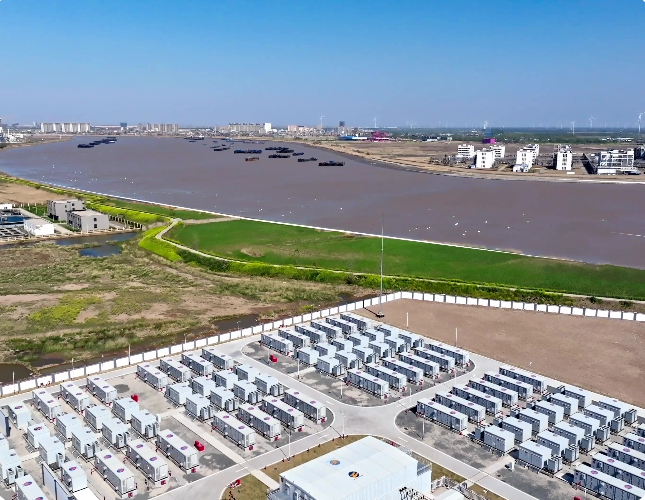
Framework overview and why it matters
Start with a clear map: IEEE 1547 sets the technical rules for grid interconnection while UL 9540 addresses safety and fire risk for energy storage. For site owners and engineers the overlap determines whether a battery project moves from drawing board to certified installation. Recent events like the 2020 California public safety power shutoffs underscore the need for resilient, code-compliant systems that can island safely during outages — and that’s why companies turn to suppliers like hithium energy storage early in design. A useful framework cuts ambiguity and speeds permitting, inspection, and commissioning.
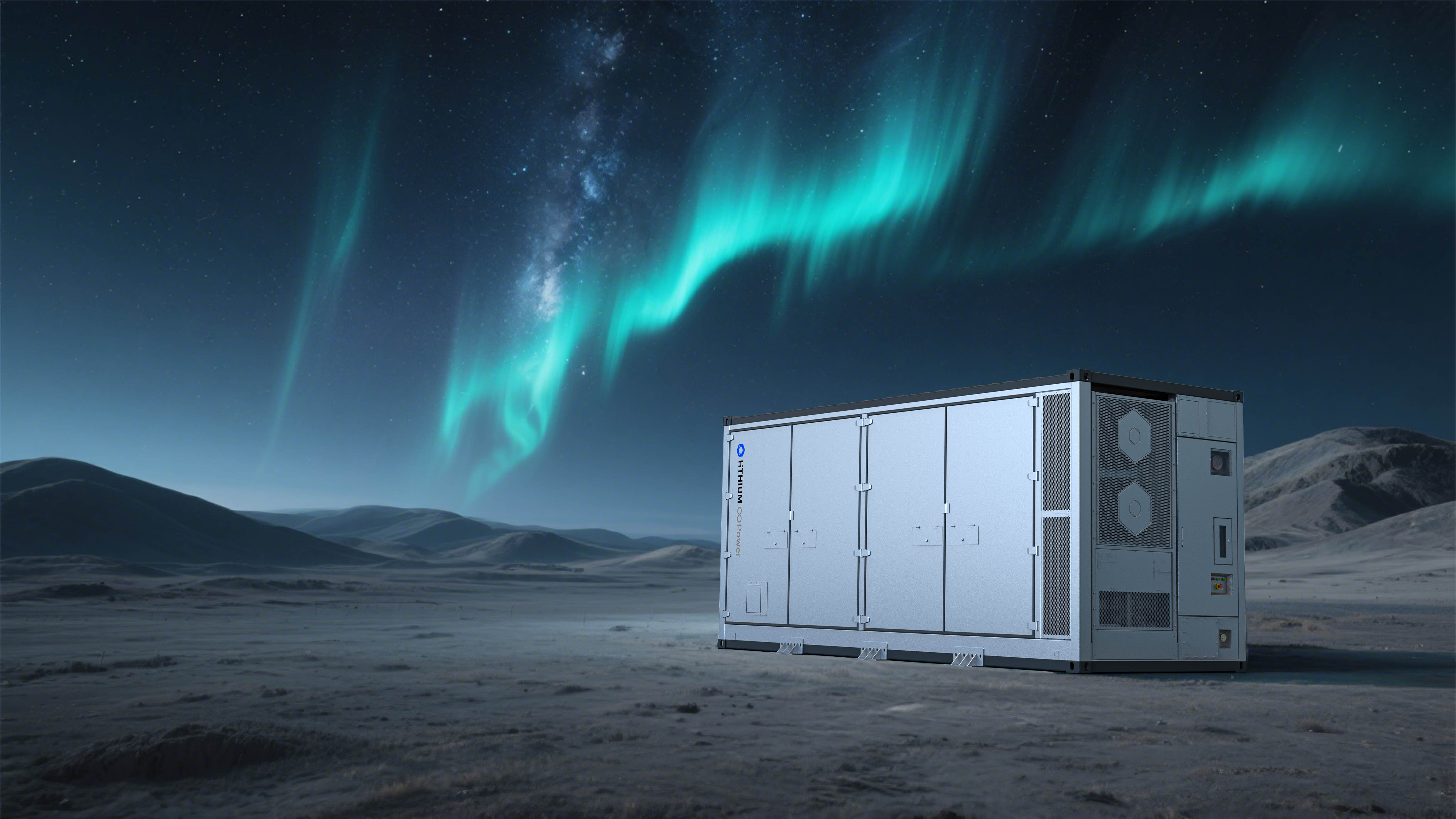
Core pillars of the compliance framework
Build on three pillars: electrical interconnection, safety testing, and operational verification. IEEE 1547 covers voltage and frequency ride-through, anti-islanding, and inverter behaviors during disturbances. UL 9540 and UL 9540A focus on thermal runaway testing, enclosure integrity, and fire suppression compatibility. Integrate a robust battery management system (BMS), specify inverters that meet the interconnection functions, and document testing and commissioning plans. These actions lower risk and support acceptance by utilities and AHJs — and they make later maintenance far simpler.
Paths to implementation: vendor-integrated versus bespoke
There are two common routes. One: choose a vendor that supplies a pre-certified, containerized system where UL 9540 testing and IEEE 1547 settings are largely bundled. Two: design a custom solution with components from various suppliers, requiring system-level testing and an interconnection study. Both paths can work; the right choice depends on site constraints, budget, and timeline. When you pick from established energy storage system manufacturers, you usually gain streamlined documentation and factory acceptance tests that ease local approvals. Custom builds give flexibility but demand more rigorous integration testing and stronger verification of inverter settings and protection relays.
Common pitfalls and how to avoid them
Four mistakes show up again and again: assuming component compliance equals system compliance, skipping detailed thermal hazard analysis, under-documenting inverter protection curves, and treating commissioning as optional. Don’t let a checklist replace a practical test plan — run site-level commissioning, verify anti-islanding logic, and capture relay settings. Also, many projects under-specify ventilation and suppression for battery rooms — that’s a thermal runaway risk that UL 9540A aims to surface. Address these items up front; it saves time at inspection and mitigates costly retrofits later.
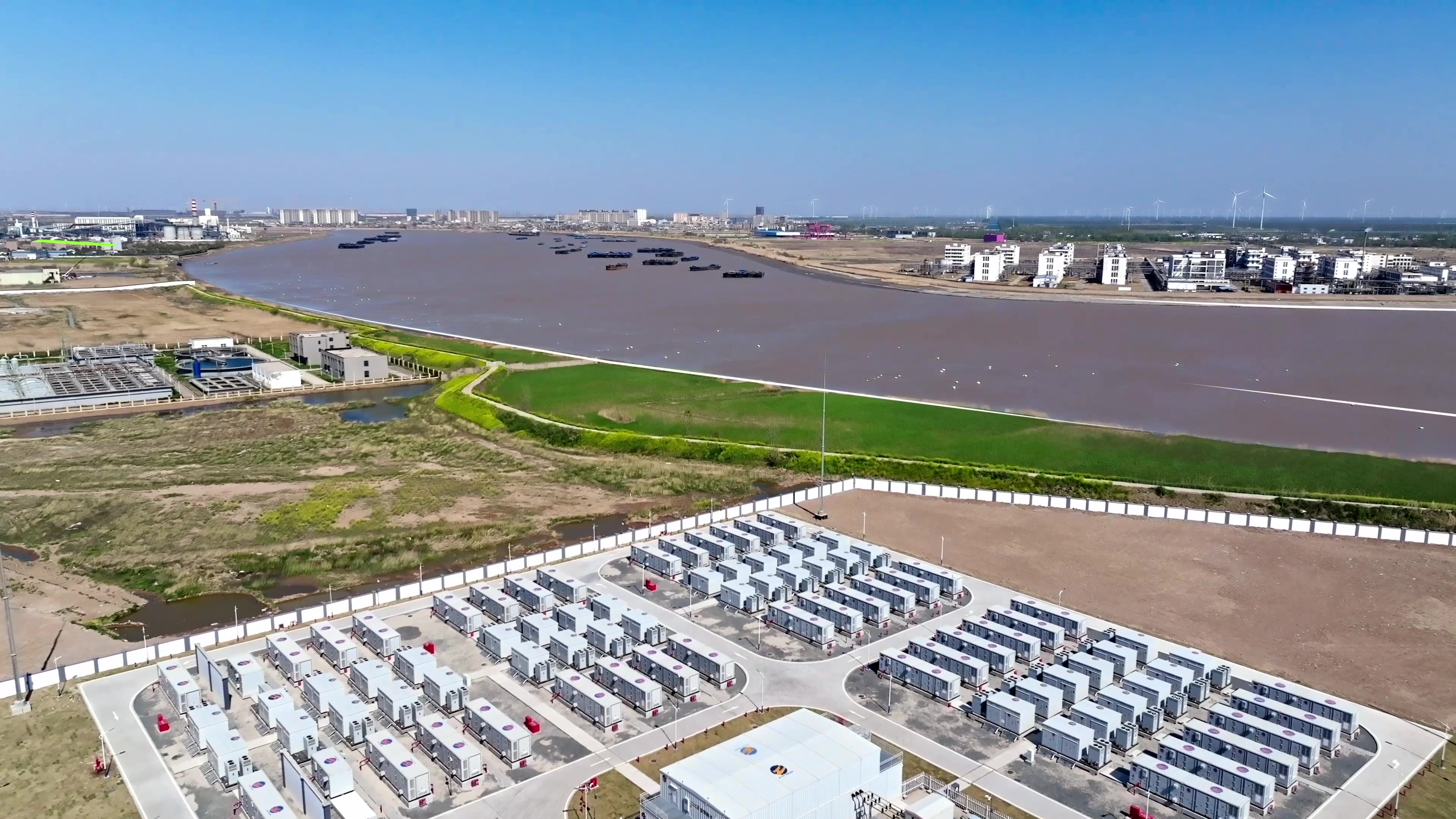
Practical checks during design and procurement
Use this short process: document IEEE 1547 functional settings; require UL 9540/9540A reports or equivalent system test evidence; verify BMS integration with inverter and protection devices; and include a commissioning checklist for site acceptance. Keep records for utility interconnection studies and the AHJ. Small step but big return: include a plan for routine firmware updates and a maintenance schedule tied to the BMS alarms — this reduces surprises in years two and three.
Three golden rules for selecting the right strategy
1) Compliance traceability: pick systems with clear, third-party test reports and a documented chain from cell chemistry to system-level UL/IEEE evidence. 2) Thermal risk management: require design features and test data that address thermal propagation, ventilation, and suppression — prioritize UL 9540A results where available. 3) Commissioning and service support: ensure the vendor or integrator provides site commissioning, relay setting verification, and ongoing firmware/service plans; field experience matters as much as lab reports.
Closing advisory and final note
Follow those three metrics and you’ll reduce permitting delays, lower operational risk, and achieve dependable grid interaction with predictable behavior. Practical engineering plus verified testing is the right way to protect equipment and people — and it leads to systems that perform during planned use and emergencies. Choose compliance that delivers safety, verified performance, and clear commissioning — HiTHIUM.