
Introduction
I once watched a midnight run in a small lab where a single tray of samples sat under a humming light—soft, persistent, like a heartbeat. In that quiet, I counted failures: a batch lost to foam, one to cross-contamination, a few to wrong reagent mixes. I often think about those moments, because they taught me more than manuals ever did. automated nucleic acid extraction sits at the center of modern diagnostics, and yet small, human-scale problems keep tripping up big promises. (We measure success by yields, by Ct values, by the sigh of relief when results are clean.) So what really causes these recurring faults—and what can we do about them? Let me walk you through what I see, plainly and with a bit of feeling; and then we’ll get practical.
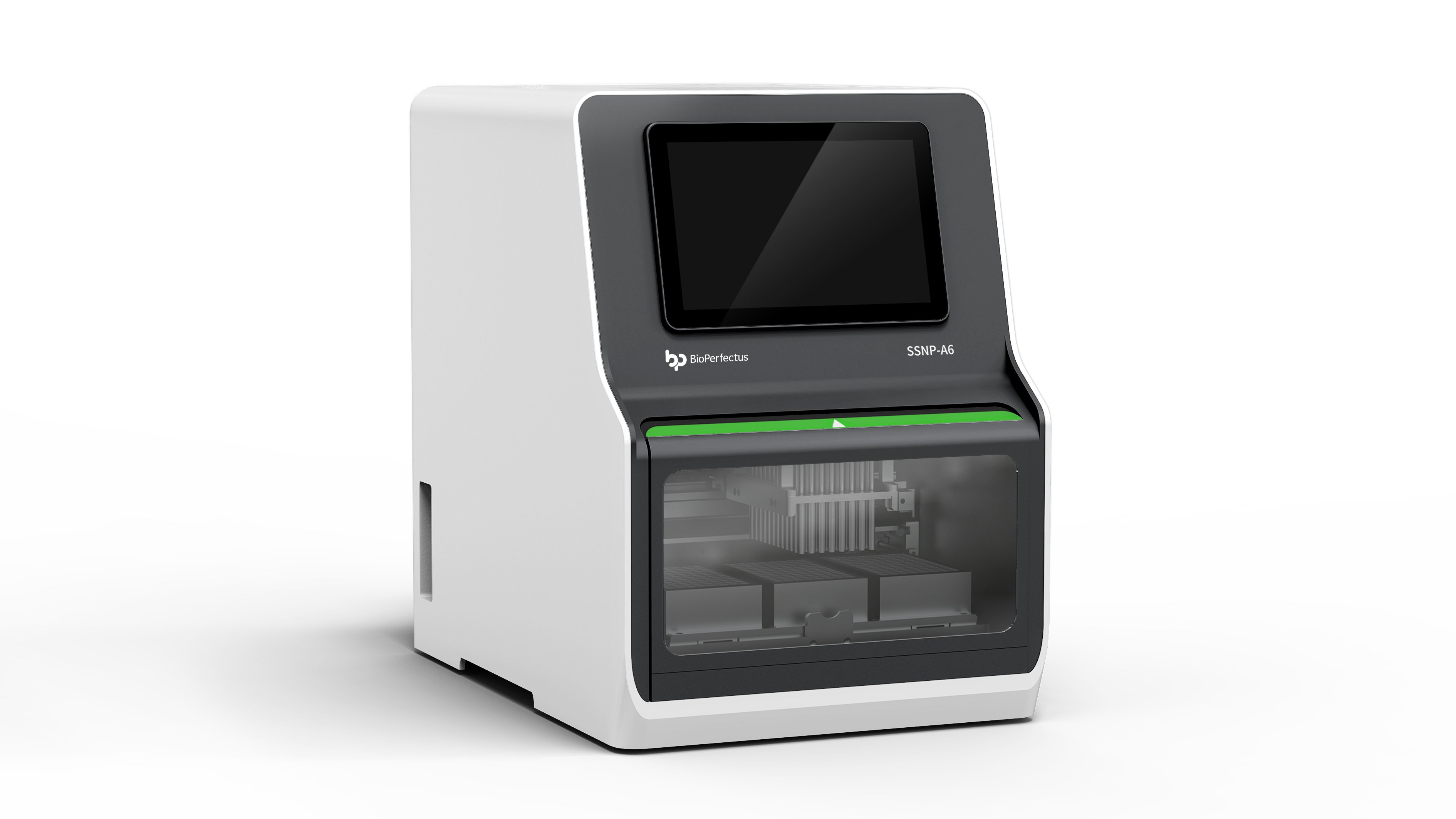
Why Standard Fixes Fall Short: The Hidden Flaws of Current Systems
dna extraction machine is often sold as a single solution: insert samples, press start, collect nucleic acids. But the reality is thicker. I’ve found that traditional approaches assume perfect reagents, flawless robotics, and ideal sample quality—none of which are guaranteed. In technical terms, common failure points include inconsistent lysis due to variable sample matrices, magnetic bead carryover caused by suboptimal wash steps, and pipetting errors when tip alignment drifts. These sound like lab-speak, but they translate to lost time and repeated runs for real people. Look, it’s simpler than you think: small mechanical tolerances and reagent stability matter as much as the software workflow.
Two other problems get less attention: throughput pressure and human–machine interaction. Labs push for higher throughput without adjusting for increased heat, evaporation, or reagent mixing dynamics. Meanwhile, operators cope with confusing interfaces or brittle SOPs that don’t tolerate deviation. I’ve seen teams patch workflows with manual steps—breaking automation’s chain and introducing contamination risks. To me, that’s the core lesson: automation is only as strong as the weakest link, and those links are often human or physical rather than digital. Magnetic beads, lysis buffer, robotic pipetting, and sample prep dynamics—they all interact in ways vendors rarely stress.
Why does this happen?
Because systems (and people) are optimized for textbooks, not messy reality. We tweak. We learn. Sometimes we fail—then we adapt.
Looking Forward: New Principles and Practical Steps
Now, I want to shift from problems to principles that actually work in the lab. When I test a new dna extraction machine, I run three focused checks before anything else: mechanical alignment under load, reagent stability over a week, and carryover rate using traceable controls. New technology principles I trust emphasize modularity (easy-to-replace reagent cartridges), closed-path magnetic handling (to limit contamination), and adaptive protocols that adjust volumes based on measured sample viscosity. These aren’t just buzzwords. They change outcomes. — funny how that works, right?
Let me give a short case example: I supervised a transition from a legacy platform to an automation platform that supported real-time tip inspection. That single feature cut repeat runs by nearly 30% in two months. Why? Because it reduced unnoticed partial aspiration events that previously required reruns. The future, as I see it, blends better sensors with smarter protocol logic—so systems can flag issues before a whole plate is ruined. PCR-ready eluate, throughput calibration, reagent cartridges—these components will define reliable runs, not glossy brochures. I’m optimistic, though cautious: technology helps, but you still need good training and clean habits.
What’s Next?
We’ll need to watch three things closely: sensor-driven QA, simpler operator interfaces, and reagent lifecycle tracking. Invest there first.
Conclusion — What I Recommend (and Why I Care)
I’ll leave you with three quick, practical metrics I use to evaluate systems: 1) carryover rate under stress (aim for <0.1% in mock high-load runs), 2) hands-on time per plate (less than 15 minutes for prep and checks), and 3) failure-to-rescue time—the minutes it takes to detect and correct an error. These are objective, measurable, and they tell you more than marketing specs. I want your lab to run smooth, not just look modern. My advice comes from nights at the bench and mornings troubleshooting software logs. If you take nothing else away, remember this: automation should reduce surprises, not hide them. — and if it still surprises you, that’s the place to probe.
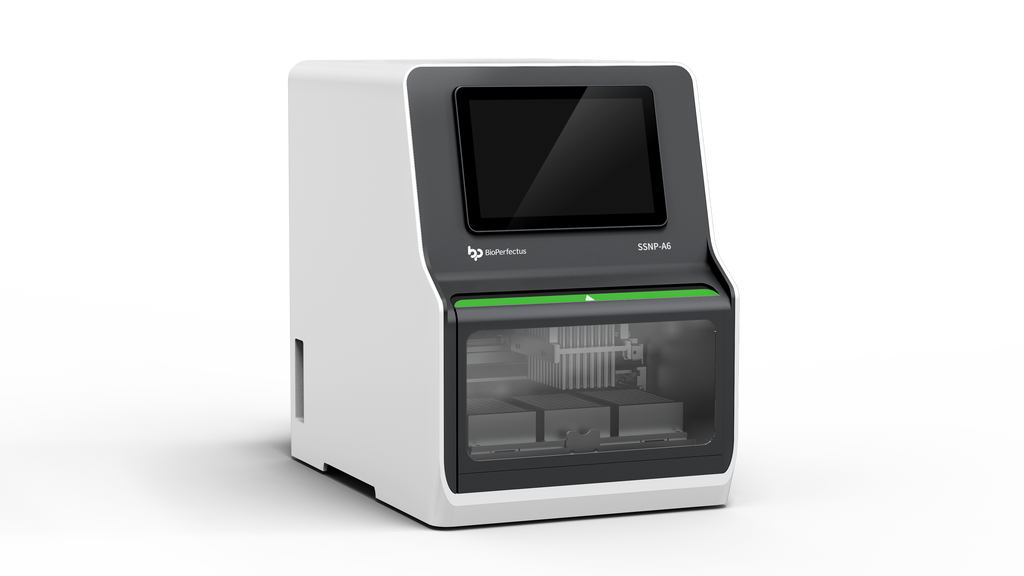
For practical tools and platforms that reflect these principles, I’ve worked with systems that pair robust hardware with sensible software—options that help teams get better, faster. For more details and solutions that match what I’ve described, see BPLabLine. I’m glad to share what I’ve learned and I’m ready to hear what you’ve seen too.