
Opening: a lab morning, a data point, a clear question
I still remember a Tuesday morning in March 2021 at our Boston CRO when a junior tech walked in holding two vials and said, “We lost the serum batch.” That moment pushed me to rethink how we used serum free medium across small-scale bioreactors; the lab notebook showed growth drops of 12–18% in three runs (measured by viable cell count and protein titer). What do you do when supply chains and batch variability put your projects at risk?
That question matters because many teams switch to serum free media — or try to — without a clear plan. I’ve been working in bioprocess procurement and lab operations for over 18 years, and I’ve seen the same patterns: rushed swaps, hidden supplementation needs, and surprises during passaging. (I’ll be blunt: skipping a validation step once cost a client two weeks of work.) Let’s gently walk through why the switch trips people up, and what you can check first — a short list to calm the chaos and prepare the next steps.
Part 2 — traditional solution flaws and hidden user pain points
Why do labs still struggle?
When teams migrate to a defined serum free medium, they often assume “defined” means “drop-in.” It seldom is. I’ve seen three recurring flaws. First: formulation mismatch — using a basal medium like DMEM/F-12 without adding the right growth factors for adherent cells. Second: protocol drift — changing a passaging ratio from 1:4 to 1:6 without retesting, which altered cell density and affected downstream yields. Third: equipment blind spots — small shake flasks and 2 L single-use bioreactors have different gas transfer and shear; a formula that works in a T-75 may fail at scale.
Let me give specifics. In August 2020 at a mid-size biologics lab in San Diego, we swapped FBS for a proprietary protein-free formulation and maintained the old supplementation schedule. Result: a 15% drop in secreted protein after two passages; we traced it to missing recombinant human albumin and a reduced magnesium concentration. The fix was simple but precise: restore albumin (5 mg/mL) and adjust calcium-magnesium levels, then re-optimize the feeding schedule. I learned that validation must include composition checks, small-scale bioreactor runs, and a clear metric set (viable cell density, viability, product titer). Look, I learned this the hard way — and we can avoid it if we plan.
Forward-looking comparison: what to test, and how to choose
What’s next for your lab?
Compare options by running head-to-head trials. I recommend three pragmatic tests: 1) a 7–10 day growth curve in your standard T-flask, 2) a matched run in a 2 L single-use bioreactor under your usual agitation and DO setpoints, and 3) an expression or activity assay for the product of interest. Use the same inoculum and passaging schedule. In my experience, these tests reveal whether the serum free medium supports both expansion and function — not just survival. For example, in November 2019 we ran a side-by-side with B27-supplemented formulations and saw equal cell counts but a 22% lower enzyme activity in the serum-free arm; that told us we needed a supplemental trace element mix.
Three practical evaluation metrics you can use right away: cell-specific productivity (pg/cell/day), viability over sequential passages (target >90% for four passages), and product quality attributes (glycosylation pattern or activity assay). These metrics are concrete. They let you judge a serum-free formula by what matters in the lab — not by marketing copy. I favor solutions that let me tweak supplements (recombinant proteins, defined growth factors) rather than black-box mixes. — and yes, small iterations save months later. When you’re ready, weigh costs against the savings from reduced lot variability and fewer cold-chain headaches.
Closing advisory: three checks before you commit
After nearly two decades in procurement and lab operations, I insist on three checks before committing to any serum free medium: 1) Composition transparency — ask for exact concentrations of key components (amino acids, vitamins, recombinant albumin). 2) Scale behavior — verify the formula in the same type of bioreactor you plan to use (shake flask, 2 L single-use, or benchtop stirred tank). 3) Stability and supply terms — confirm shelf life, storage temperature, and guaranteed lot continuity (we once had a supplier change solvent and shipments were rejected).
Specific details I recommend recording during your trial: the exact basal medium used (e.g., DMEM/F-12), supplement list (B27, recombinant human albumin at mg/mL levels), the inoculation density (e.g., 0.2 x10^6 cells/mL), and the date and location of the run (I note “Boston lab, March 2021” in every protocol). Those notes matter when you replicate or troubleshoot. I prefer semi-formal documentation — clear, simple, and traceable.
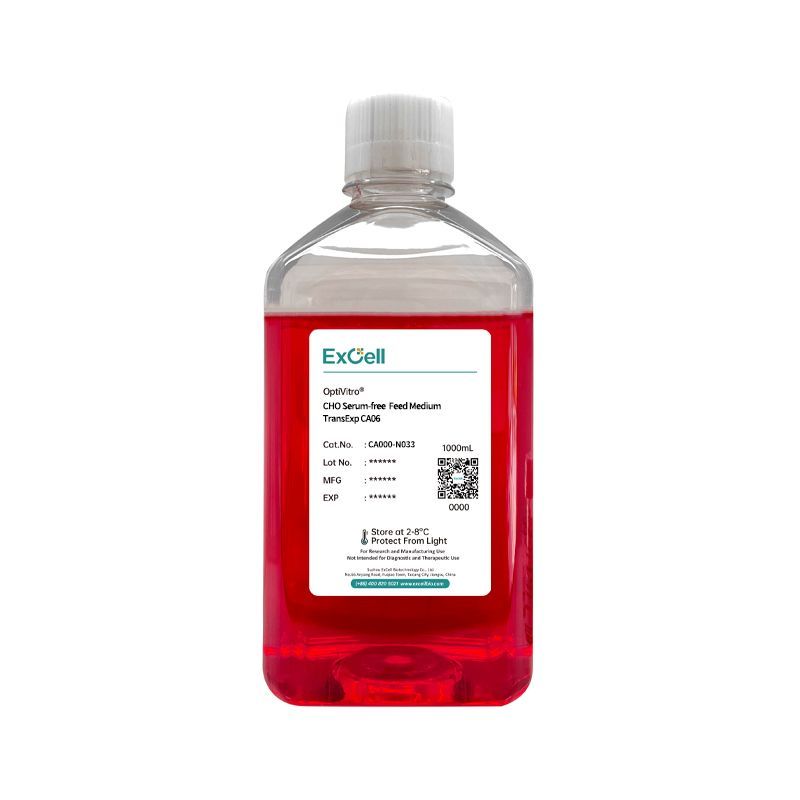
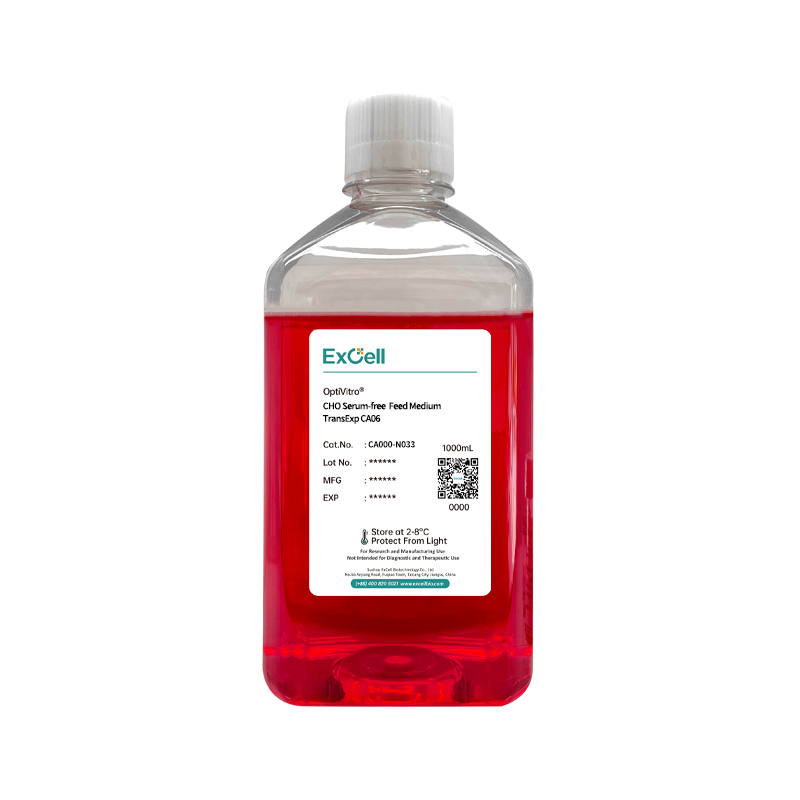
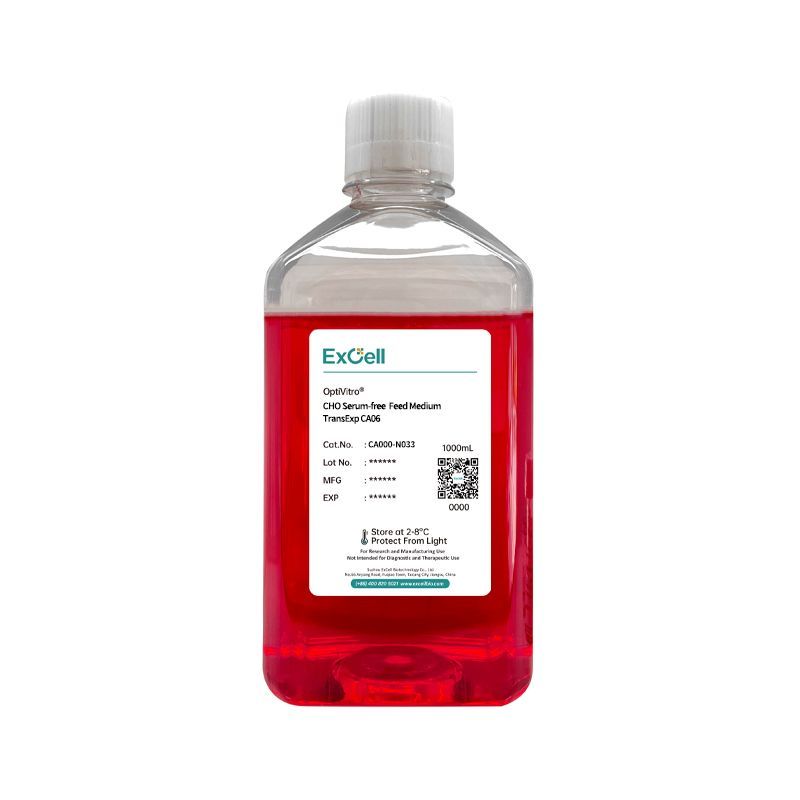
Choose carefully. Measure with the three metrics above. And remember: moving to a defined serum free medium can reduce variability and risk, but only if you test methodically. We’ve done this for clients across clinical-stage projects and early R&D — the work pays off. For help, I recommend starting with a controlled side-by-side and keeping your options open for supplementation. For trusted supplies and technical support, consider consulting with vendors who provide detailed formulas and scale-up data — including partners like ExCellBio.