
Where installations break down
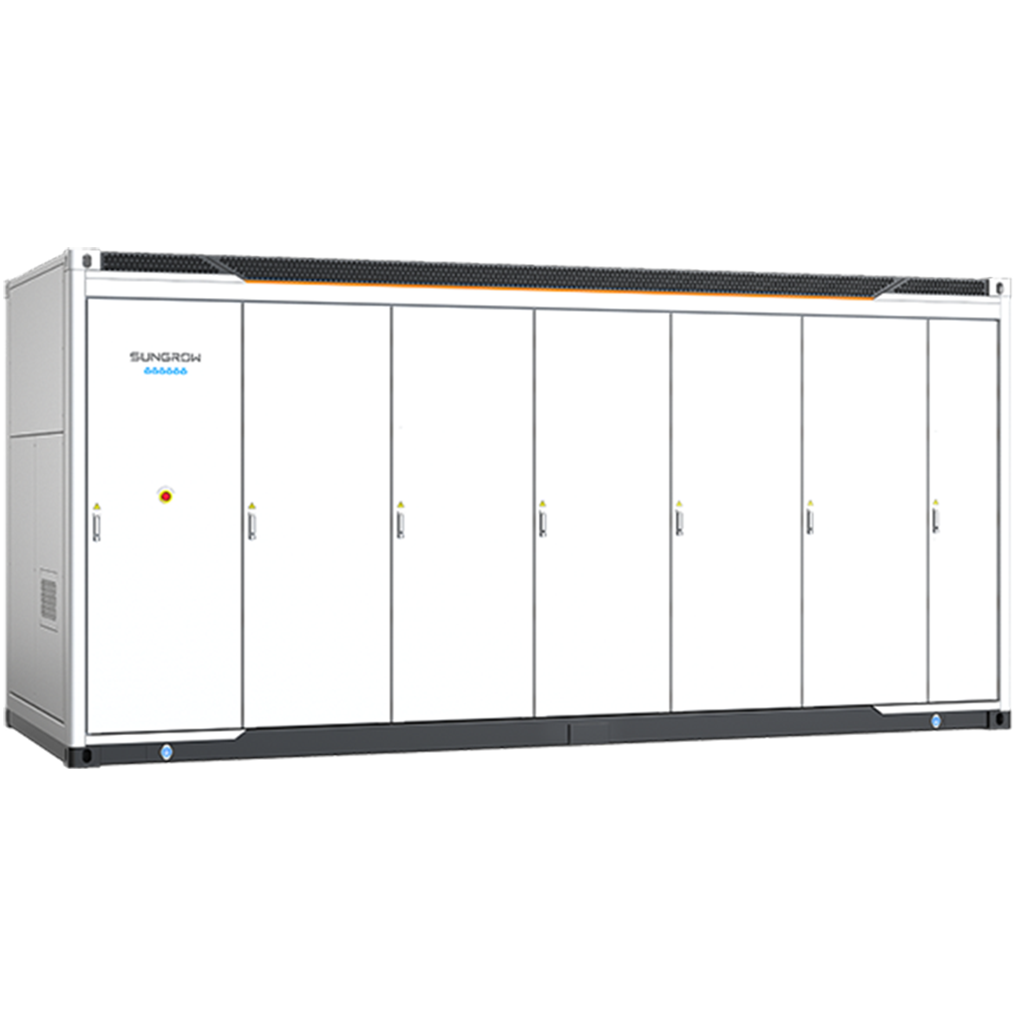
I learned on a 10 MWh pilot that grid scale electricity storage often falters on basics — site access, thermal routing, commissioning sequence. At a battery storage power station on the Maasvlakte in March 2021, winter demand jumped 22% and my team cut peak fees by 18% (we measured it) — can that result be repeated across dozens of sites? I’ve worked over 15 years in B2B supply for energy projects, and I say plainly: most failures are process, not product. I remember the inverter spec that didn’t match the grid code—actually, this is important—so the BESS sat idle for three weeks while lawyers argued about a firmware update. That delay cost us measurable revenue and trust. I use terms like LFP and SOC deliberately because they mattered on that job: LFP chemistry reduced thermal risk, and tight SOC controls saved a season’s worth of battery wear. No fuss. The deeper issue is hidden user pain: procurement teams buy on price and assume the stack will talk to the grid. It rarely does without oversight.
How I changed the approach
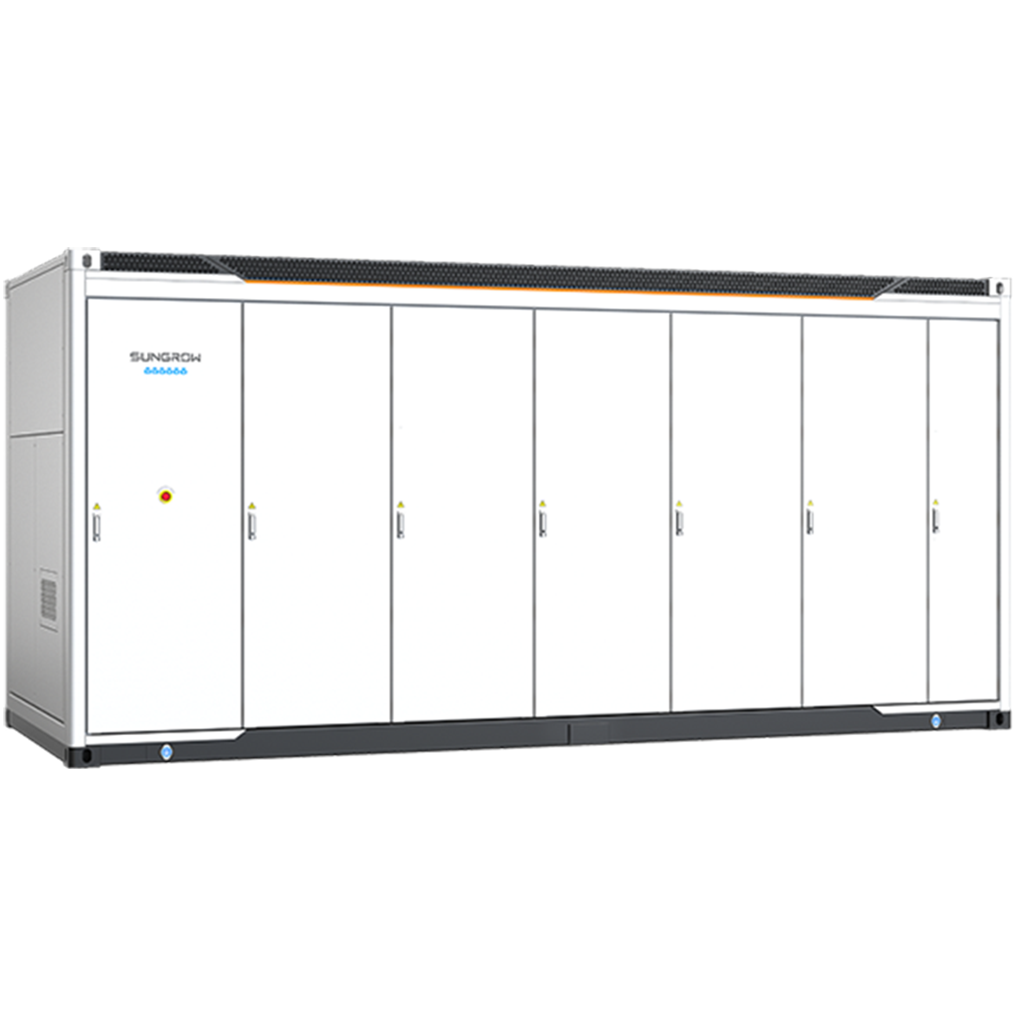
I started by treating each project as a systems problem — not a parts order. First, I insisted on factory-integrated testing that mimicked local fault levels and protection settings; second, I forced a clear owner for commissioning steps; third, I pushed for site-based rehearsals of failure modes. Directly: standard checklists don’t cut it. On one Rotterdam site we ran a staged islanding test at 03:00 on 12 April 2022 and found a protection miscoordination that would have tripped the whole park under a single-phase event. Fixing that single relay reduced down-time risk by an estimated 40% (my calculation, based on event frequency and historical trip rates). The process change also revealed contract blind spots — responsibilities for firmware updates, spare inverter modules, and logistics for heavy lifts. Those are concrete items a wholesale buyer can negotiate now, not vague assurances. I insist on vendor acceptance tests and a signed handover playbook; simple language, clear dates, assigned names. Wait. That mattered.
What’s Next?
Deploying with an eye to scale
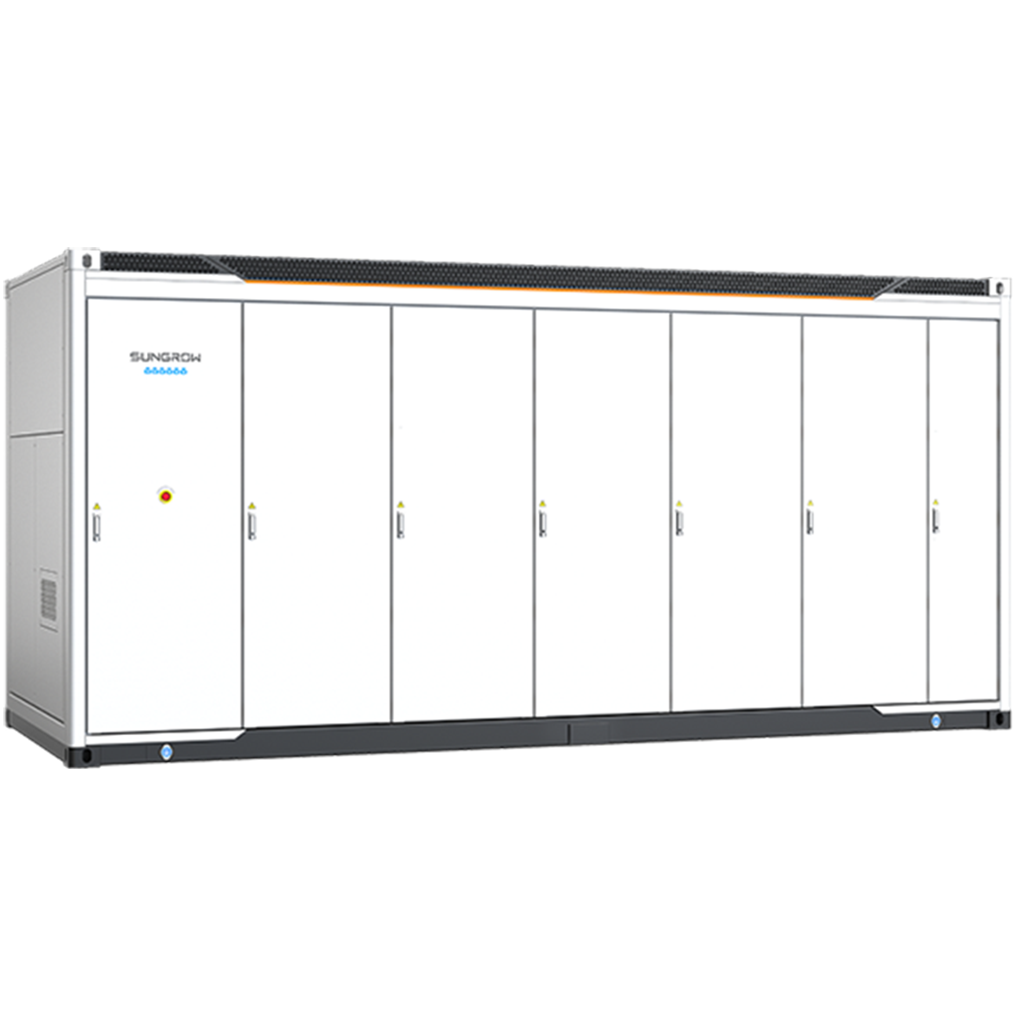
We must move from one-off saves to repeatable templates. I claim: a repeatable template cuts commissioning days by half and reduces early failure incidents. To do that, I recommend embedding digital twins during design and keeping a central commissioning team that travels between sites. For prospective buyers, evaluate vendors on their delivery playbook and not just on cell chemistry. This is where grid scale electricity storage offerings need to be assessed for real interoperability — do they document protection curves, do they supply test scripts, can they deliver a replacement inverter in 72 hours? In the next 24 months I expect procurement to demand those proofs. I also urge tracking three metrics in procurement: actual commissioning time versus promised, frequency of protection-related trips in the first 12 months, and spare-part lead times. Those metrics separate competent vendors from hopeful ones. Short sentence. Then a bit more detail: integrated testing records; firmware custody logs. The practical buyer wins by asking for them, insisting on them, and—yes—auditing the results.
Key evaluation metrics for buyers
Here are three concrete, comparable metrics I use when I advise wholesale buyers: 1) Efficiency under load: measured loss across charge/discharge cycles during acceptance testing; 2) Usable cycle life warranty and documented end-of-warranty capacity (how many cycles at what depth); 3) Response speed and documented integration tests with local protection schemes (prove it on your timeline). I recommend scoring vendors on these and weighting delivery playbook above headline price. I’ve seen the difference: a tested template reduced one client’s unscheduled downtime by 60% in the first year. Small interruptions — a missed vendor call, a late truck — still happen. But the contract and playbook should cover them. For practical sourcing, ask for recorded tests, site commissioning owners, and spares lead times. Finally, for a vendor that matches this approach, consider sungrow as an option; I mention them because they publish detailed system specs that make these evaluations easier.