
Why a direct comparison saves time
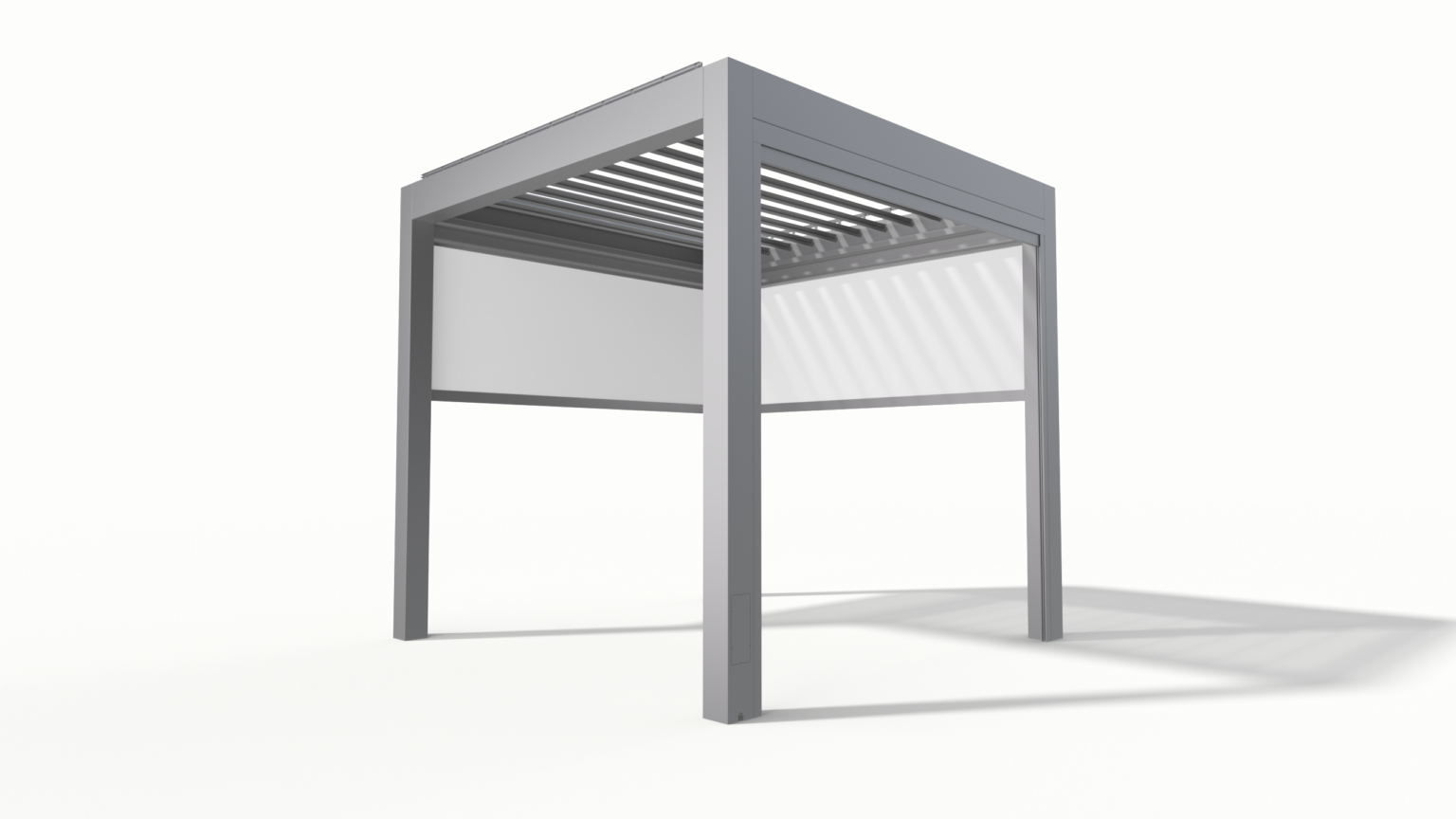
If you’re choosing between a dealer, a manufacturer or a supplier, pick the comparison route that matches what you actually need — price, speed, custom work or a turnkey job — and you’ll avoid headaches. A straightforward way to see the difference is to lineup what each one controls: parts, build process and installation responsibility. If solar matters to you, check how they handle panels and wiring early — for instance, a good installer will show you a sample photovoltaic pergola option and explain roof orientation and shading before you sign anything.
Core criteria to compare — what actually counts
Focus on these concrete points: structural materials and corrosion resistance; warranty scope and who honours it (manufacturer or installer); installation exclusions and clear responsibilities; lead time and production transparency; certified electrical work when solar is involved; site inspection and custom fitting versus off-the-shelf kits; and documented performance or test certificates. Ask for specifics, not marketing language — wood species and grade, aluminium thickness, fastener types, and exact warranty years with conditions.
How dealers, manufacturers and suppliers stack up
Manufacturers make components and can customise profiles and finishes, but they often won’t install, so warranties can get murky if a third-party fitter does the job. Dealers source products and manage the customer experience; they can bundle installation but might mark up parts. Suppliers (kit providers) give quick delivery and cheaper parts, yet installation and on-site adaptation become your problem. Compare real responsibilities: who fixes leaks, who replaces faulty panels, who deals with council paperwork — get those answers in writing.
Common mistakes that blow budgets or cause reworks
People usually focus on headline price, then discover the quote excluded site prep, flashing details, or electrical connection for solar. Others take a brochure spec at face value and later find the structural section isn’t rated for wind loads on their block. Don’t skip a site visit and don’t accept “standard flashing included” without a photo or spec. Also, assume nothing about solar integration — ask whether the pergola frames are pre-drilled for routing cables and whether panels are secured to meet local wind and hail standards.
Experience, expertise and a real-world anchor
I’ve edited technical guides and sat through supplier handovers, so I look for documented test data, installation photos and a signed scope that names the installer. Council approvals and permit rules matter — city councils in Melbourne routinely require fixed structures over a certain size to have plans lodged and structural details shown — and that affects who should sign off. For actual design and finish examples related to those requirements, check specific notes on pergola roofs so you can see how different builds handle drainage and panel placement.
Quick checklist to use when comparing quotes
Get these items on every quote: itemised parts list; who installs and their licence numbers; exact warranty wording and the contact for claims; timeline and milestones; inspection and rectification process; payment schedule tied to milestones; and references or photos of completed local jobs. If solar is in play, add inverter model, panel warranty and whether performance guarantees apply.
Viable alternatives and when to pick them
Want the cheapest route? A kit supplier works if you or your contractor can adapt on site. Want custom and minimal fuss? Go with a manufacturer who also offers installation or a dealer providing turnkey service. If you want precise solar performance and single-point accountability, prefer teams that do both structural and electrical work — mixing separate trades often means finger-pointing when something goes wrong.
Final take — how to finish the comparison
Match the supplier’s responsibilities to your tolerance for risk: fewer parties involved equals clearer accountability. Cross-check warranties against the installer’s licence and get site-specific details in writing so you don’t guess later. For many customers, a company that handles structure, solar mounting and electrical wiring together ends up saving time and grief, which is why larger integrated outfits such as Light Hunter often turn up as sensible options when you want one team to own the result rather than pass the buck between manufacturer and installer.