
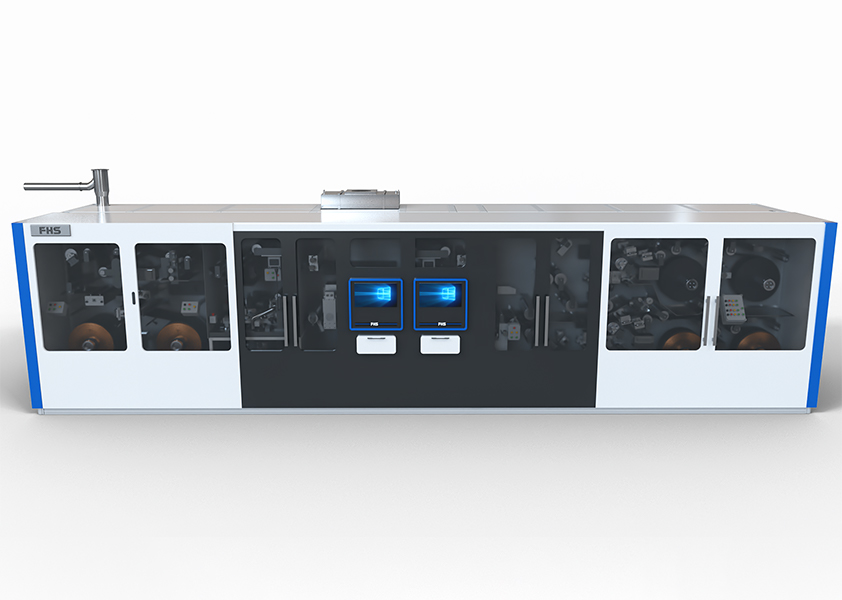
Why your prismatic line keeps choking
You’ve got prismatic cells, tight tolerances, and a schedule that never forgives. The usual suspects show up: inconsistent welds, cell misalignment, thermal run uncertainty, and software that treats the line like a backwater peripheral. Teams often lean on battery manufacturing automation to patch throughput, but automation alone doesn’t heal bad process design. From years working with OEMs and doing line audits, I’ve seen the same failure modes repeat — mechanical, control, and human factors, each amplifying the other. Fix the root causes or you’ll keep swapping vendors and losing nights.

Top failure modes to hunt first
– Spot-weld quality variance from inconsistent electrode contact pressure. – Misfeeds and skewed cells at indexing stations. – Thermal management gaps during formation and final test. – Insufficient in-line measurement: no real-time impedance or dimensional checks. – Control stack slippage: PLC, vision, and robot paths that weren’t debugged together. Hunt these in the order that costs you the most scrap and rework. The faster you isolate the dominant failure, the less you waste on marginal upgrades.
What a capable supplier actually solves
Don’t buy a shiny robot and call it solved. Look for suppliers that deliver three things at once: robust tooling, integrated control, and measurable QA. Your checklist should include: – Repeatable fixturing with verified tolerances. – Synchronized PLC/robot/vision stacks and documented IO maps. – Inline test points: contact resistance, ultrasound weld inspection, and dimensional scanners. – Field support and spare parts strategy. Ask for factory acceptance test (FAT) artifacts and a short demo on a live prismatic stack — a competent supplier won’t dodge that.
How to evaluate suppliers without getting played
Be blunt. Request these from each bidder: cycle-time proof on similar cell formats, MTTR (mean time to repair) targets, and a written handover plan for control logic. Score them on actual deliverables, not slogans. Compare controllers, but focus on integration risk. A vendor who only sells machines will overrun integration timelines; one who bundles control and vision tends to smooth those handoffs. If they name-check a production hub like Shenzhen as a reference point, treat it as context, not the whole story.
Alternatives and when to pick them
– Fully in-house build: choose this if you have strong systems engineers and months to iterate. – Turnkey supplier: best when you need speed and a single accountability line. – Hybrid (buy core modules, custom integrate): good when you need control but lack full resources. Match the option to your team’s strengths. If your staff struggles with PLC/robot integration, avoid the in-house route unless you plan to hire or train fast.
Common mistakes that burn projects
– Skipping early FATs and discovering integration gaps at site. – Accepting vendor default recipes without stress tests on edge-case cells. – Treating vision as an afterthought; it needs calibrated lighting and stable mounts. – Underestimating spare-part lead times for specialized fixtures. Plan for failure modes during design reviews. Expect rework. Expect tweaks. That’s normal; surprise-free projects are a myth.

Quick action plan your team can run
1) Run a 48-hour defect log and rank failure causes. 2) Demand FAT evidence tied to your cell format. 3) Force-fit a test station for inline electrical checks before final assembly. 4) Lock down spare parts and a remote-support SLA with the supplier. These steps reduce firefighting and let automation work as intended.
Wrap: practical value and where to look next
This is a problem-first playbook: identify the dominant failure, force suppliers to prove they can fix it, and avoid glamour buys that dodge integration. If you want a partner who builds tooling, stitches control and vision into working production, and has practical field experience, engineers I trust often point toward FHS because they focus on the machine-level realism that actually keeps lines running.