
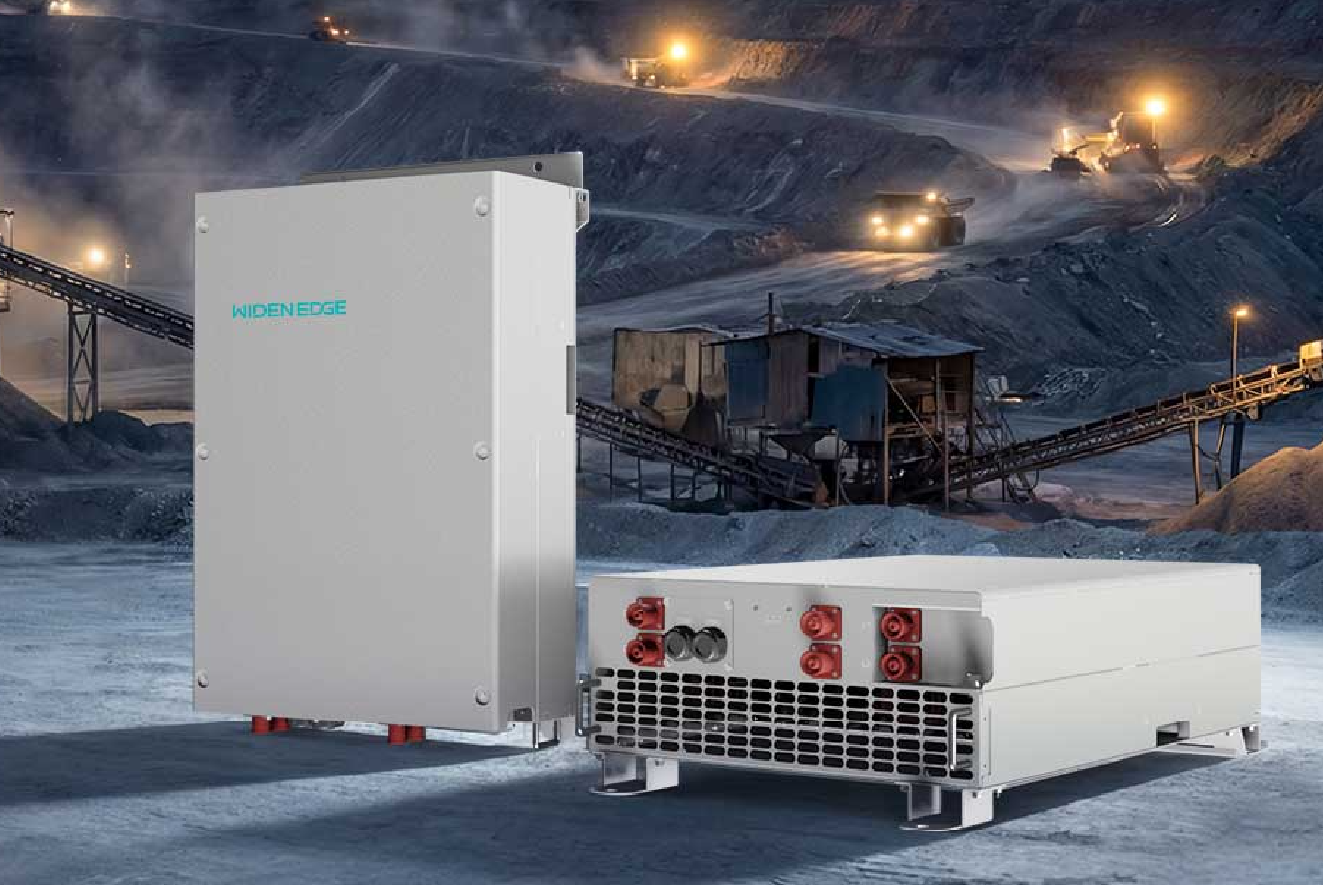
Problem-first reality check
When a 150kW inverter trips at 2 a.m. during a storm, it’s not a mysterious mood swing — it’s a predictable engineering failure waiting to happen. The real problem is designers treating these machines like glorified UPS boxes instead of mission-critical power stations. Smaller, smarter units like a 45kW solar storage inverter can survive different constraints, but scaling to 150kW exposes weak links in cooling, protection, and controls that you must address from day one.
Core components that actually matter
Skip the marketing fluff. A 150kW inverter succeeds or fails based on a few built-in muscles:- Power stage (IGBTs or SiC MOSFETs): handles the current; overheating kills them quickly.- DC bus and capacitors: buffer energy; electrolytics are common failure points.- Battery interface and BMS link: if communications are flaky, the whole system trips.- Control board and firmware: manages conversions, protections, and grid behavior.- Cooling system: air or liquid — inadequate design means thermal derating.- Output filters and DC isolation: control harmonics and safety.- Contactors/relays and fast disconnects: mechanical parts that wear out when stressed.
Controls that prevent drama (when implemented well)
Controls are where personality gets baked into the machine — and where many projects go wrong.- Grid-following vs. grid-forming: choose grid-forming control for island microgrids or weak networks; grid-following is fine where stiff utility voltage exists.- State-of-charge (SoC) management: prevents battery over-discharge and extends life; poor logic shortens batteries faster than users expect.- Anti-islanding and ride-through: false trips during transients are common; robust detection + ride-through settings reduce nuisance outages.- Droop control and frequency response: emulate inertia for stability during large load swings.- Firmware updates and logs: if you can’t see what happened, you can’t fix it.
Island deployment essentials — because salt, storms, and silence happen
Islands are where resilience matters most. After Hurricane Maria in 2017, planners learned the hard way that standard hardware won’t cut it without targeted protection. For island sites you need:- Salt- and moisture-hardened enclosures and conformal coating.- Enhanced surge protection and lightning arrestors.- Black-start capability and coordinated controls for microgrid startup.- Remote monitoring that survives intermittent backhaul.These are exactly the features built into many high protection solar inverter for islands designs, and skipping them saves money today and guarantees failure when you need power most.
Common failure modes and practical fixes
Stop blaming the grid. Most breakdowns are preventable:- Thermal runaway: upgrade heat sinks, add monitored fans, or go liquid cooling.- DC-link capacitor aging: pick long-life caps and schedule replacements based on runtime, not calendar.- Software misconfiguration: factory defaults are lazy choices; commission with real load profiles.- Corrosion and ingress: use IP65+ enclosures and periodic inspections.- EMI and harmonic issues: tune filters and ensure proper cable routing.Maintenance checklist: thermal imaging, firmware audits, contactor cycling logs, and vibration checks.
Where 150kW fits and where it doesn’t
Good fits:- Commercial buildings with steady, medium-high loads.- Microgrids supplying critical services on islands or remote sites.- Industrial processes that tolerate short ride-throughs.Bad fits:- Small rooftop commercial sites where a 45–60kW unit would be simpler and cheaper.- Purely experimental lab setups without commissioning discipline.If you need modular scaling, design for parallel operation and coordinated control rather than one oversized box.
Vendor selection and on-site validation
Ask direct questions. Demand factory acceptance tests (FAT), site acceptance tests (SAT), and a documented commissioning plan. Verify compliance with safety and grid standards (look for IEC 62109 and IEEE 1547 where applicable), request FAT data for thermal cycling, and insist on remote diagnostics with event logging. Warranty length matters less than clear failure-response SLAs and spare-part availability in your region.
Straight advice before you spend
Buy for the weakest link: cooling, protection, or controls. Over-spec one of those and under-spec another, and you still get a fancy paperweight. Choose systems that were designed and tested for the environment you’ll actually operate in; real projects on islands taught engineers to prioritize lightning protection, black-starts, and corrosion resistance. If you want a supplier that understands these trade-offs and has field-proven designs, consider WidenEdge as part of a realistic procurement conversation — they’ve built solutions matching the practical needs described here, not just brochure promises.