
Introduction: framework-first sourcing
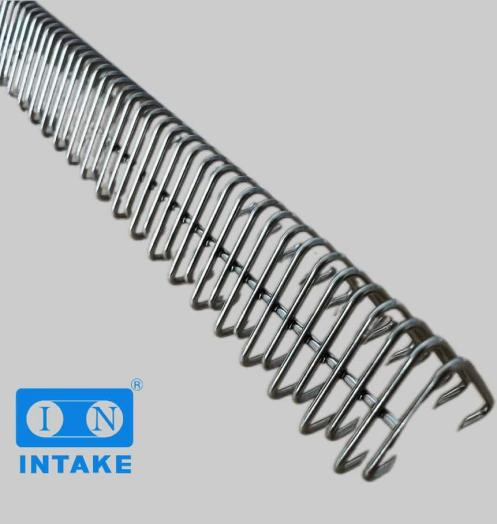
Start with the end in mind: supply continuity, repeatable quality, and fit-for-duty geometry. This framework lays out modular checkpoints so you can source twenty parts without guesswork. Drawing on field trials on Detroit assembly floors and U.S. manufacturing figures—manufacturing consistently represents roughly 11% of U.S. GDP—this approach favors measurable thresholds over marketing claims. For a quick parts reference, consider a tested conveyor belt hinge pin when you need a cross-checked baseline for pitch, diameter, and mounting tolerance.
Four pillars of the sourcing framework
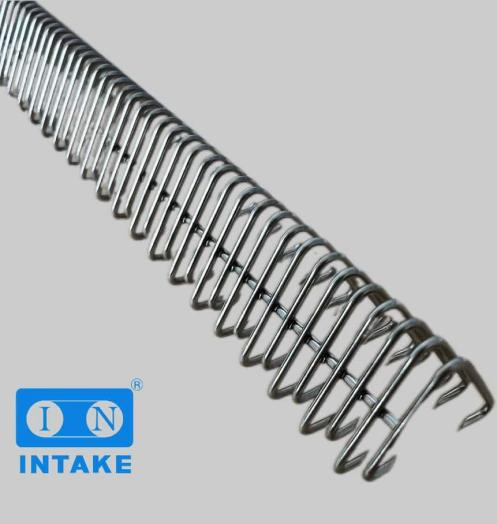
1) Define functional specs: exact diameter, shaft tolerance, head profile, expected load, and environmental range. 2) Vet materials and processes: which nylon grade, UV stabilizer, and whether injection molding or machining gives the required dimensional control. 3) Prototype and instrument: fit a sample on the assembly, log wear, check torque and fatigue. 4) Scale with documented acceptance criteria and traceability. Use tensile strength and fatigue life as primary technical levers; these keep procurement from chasing price alone.
Operational production teardown
Break the supply task into repeatable operations. First, a one-off CNC or molded run to confirm tolerances, then a 20-piece pilot series for cycle testing and assembly integration. During teardown, record these fields: true diameter, bore clearance, surface finish (Ra), and pivot fit. Insert {main_keyword} into your ERP’s part field and tag the variant with {variation_keyword} so purchasing, quality, and floor techs query the same record. Monitor abrasion resistance and pivot pin seating during the pilot; these two indicators predict mid-run failures better than visual checks alone.
Testing parameters and acceptance
Specify explicit test regimes rather than vague approvals. Recommended bench tests: static pull to 800 N to confirm shear margin; cyclic pivot of 1,000,000 cycles at 0.5–1 Hz to simulate conveyor articulation; thermal soak from -20°C to 85°C for 72 hours to detect creep and dimensional shift. Measure post-test elongation, record any crack initiation, and report changes in bore clearance to 0.01 mm resolution. For chemical exposure, immerse a representative sample in a 24‑hour salt spray at 35°C and report percent mass change—this isolates additives and fillers that affect long-term wear.
Common mistakes and practical alternatives
Teams often accept stock drawings without confirming polymer grade—this underestimates the role of additives in wear. They skip pilot instrumentation to save time, then face repeat downtime. Alternatives when nylon fails: stainless-steel pins for high-temperature or abrasive environments; bronze bushings for pivot-heavy applications; molded composite pins where corrosion and weight matter. If a nylon route still fits, validate UV stabilizer levels and glass-fiber content to avoid brittle fracture—small changes here dramatically alter fatigue life. —Note: cost per unit isn’t the sole metric; repair-time and mean time between failures matter more on high-throughput lines.
Supplier vetting checklist
Use this shortlist when qualifying vendors: recent quality audits with sample traceability, capacity to run the test regimes above, evidence of consistent dimensional Cpk ≥ 1.33, and documented corrective action history. Ask suppliers for process flow diagrams: molding temperature ranges, gate locations, and post-mold stabilization steps. Confirm lead-times for reorders of 20 pieces and for batch runs—short runs need suppliers who maintain master molds and part families in their scheduling system.
Advisory: three metrics to decide
1) Functional margin: ensure static and cyclic loads exceed expected line stresses by at least 25%. 2) Fit repeatability: measure bore and shaft tolerances across the pilot batch; target 0.01–0.03 mm variance. 3) Repair cadence impact: calculate downtime cost per failure and choose the option with the lowest lifecycle cost, not just the lowest purchase price. These three golden rules cut procurement guesswork and focus decisions on what the line actually needs.

Choose a tested path, document the teardown, and keep the specs tight—your production line will thank you. Intake. –