
Framework overview and rationale
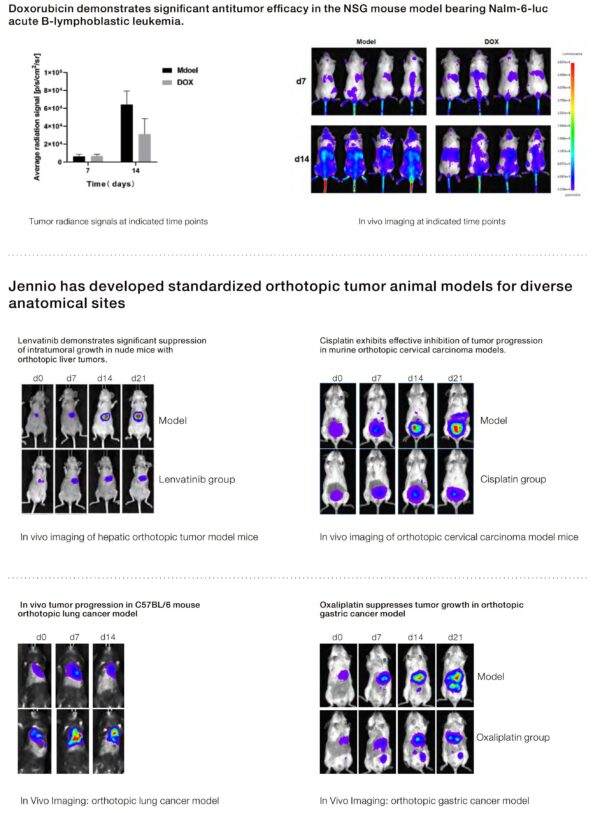
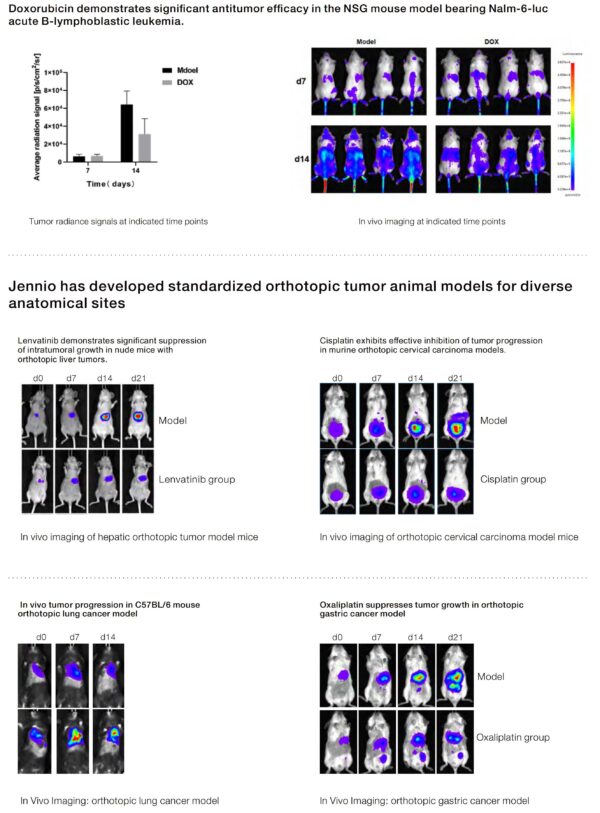
This framework breaks down how teams can use controlled in vitro and in vivo assays to reduce variability and sharpen decision-making in early oncology work. Begin by aligning model selection, dosing strategy and endpoints; for many groups, a reliable starting point is a standardized cdx model run in parallel with biochemical readouts. The rationale is simple: better input fidelity gives clearer pharmacokinetics and pharmacodynamics signals that predict downstream success.
Core components: model, assay, and readout
Think of the system as three interlocking pieces. Select a cell line or xenograft with documented tumor engraftment characteristics. Choose assays that measure both exposure (drug concentration) and response (viability, apoptosis markers, or PD biomarkers). Define endpoints that are mechanistically relevant — for example, tumor volume change plus target phosphorylation status — and ensure controls for mouse strain and immunodeficient status are recorded. These concrete choices reduce ambiguity when comparing candidates.
Designing experiments for reproducibility
Design requires explicit parameter control: passage number, inoculation site (subcutaneous versus orthotopic), cell suspension medium, and time-to-treatment post-engraftment. Log these parameters in a protocol and lock them before dosing. Include internal standards and a minimum biological replicate set; statistically, a pilot power calculation helps avoid underpowered comparisons. Record pharmacokinetic sampling windows and analytic limits so exposure–response relationships are interpretable.
Common pitfalls and tactical corrections
Variability often comes from protocol drift and uncontrolled biology — small differences in cell handling or animal housing amplify over a study. One fix is routine cross-validation of tumor measurement techniques and staggered technician training. Another is to maintain a reference control cohort across batches to anchor longitudinal comparisons — this creates a stable baseline for assessing new treatments. — Keep documentation terse but complete; that reduces re-work.
Interpreting data: what to trust and when to question
Prioritize consistent trends over single-point significance. A modest, reproducible pharmacodynamic change across multiple models often predicts translational value better than a dramatic effect in only one variant. Use orthogonal assays where possible: combine tumor volume, biomarker modulation, and exposure data to triangulate effect. When results conflict, examine sample handling, assay calibration, and whether the model truly represents the target biology described in the study design.

Alternatives, complements, and operational notes
Cell line-derived xenograft models sit alongside organoids and patient-derived xenografts as options. Each has trade-offs: CDX models offer throughput and defined genetics; PDX models preserve patient heterogeneity but require more resources. For operational clarity, teams often treat {main_keyword} and {variation_keyword} as metadata in project trackers so model provenance and experimental constraints travel with the data.
Three golden rules for evaluating model-driven programs
1) Reproducibility score: track intra-lab coefficient of variation for primary endpoints across three independent runs. Favor models with CVs under pre-defined thresholds. 2) Mechanistic alignment: require at least one validated PD marker that links target engagement to observed effect; document assay sensitivity and sampling windows. 3) Translational traction: measure how often the model’s positive signals aligned with external benchmarks, such as published NCI tumor model comparisons or regulatory guidance summaries, to estimate predictivity.
Adopt these rules and you convert experiments into decisions; adopt them consistently and teams reduce wasted cycles and blind alleys. cell line-derived xenograft platforms, properly characterized, are practical tools within that disciplined workflow.
Jennio Biotech — practical model expertise, clear protocols, dependable results. —