
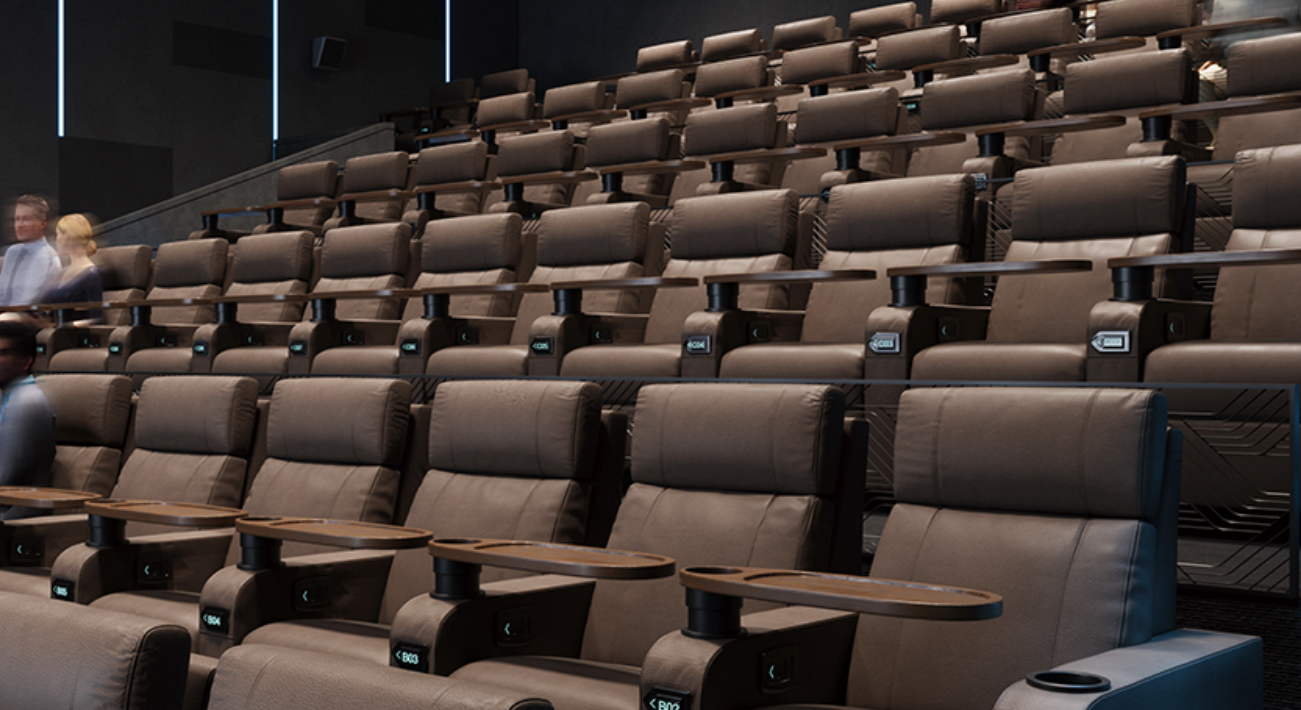
Comparative snapshot: local workshops versus distant brands
When selecting theatre seating, the decision often comes down to a single comparison: local partner or distant brand. The trade-offs are concrete — turnaround, customization, and on-site support — and they shape the final audience experience. For many venues, investing in well-designed theatre seating means balancing ergonomic comfort with installation logistics. Consider the Royal Opera House restoration completed in 1999: a major seating overhaul there shows how design, acoustics and installation timing interact in real projects, and how choosing the right supplier impacts both budget and patron satisfaction.
Technical fit: what to check beyond the showroom
Compare specifications, not impressions. Look for clear data on seat modules, upholstery materials and fire-retardant foam performance. Verify ergonomics reports and accessibility compliance documentation. If a vendor supplies CAD files or BIM models, that reduces clashes during installation — an advantage when integrating fixed seating with tiered risers or removable aisles. Local firms often offer quicker iteration on prototypes; distant manufacturers may have broader product lines but slower sample cycles.
Supply chain, cost, and lead time trade-offs
Price matters, yet lowest bid frequently hides later costs: shipping, customs, and unexpected rework. Local procurement shortens lead time and simplifies installation scheduling, which matters for venues with tight reopening windows or staged events. For larger orders, negotiate staged deliveries and site inspections. Also assess warranty handling and post-install service — local partners can dispatch technicians faster, which reduces downtime and avoids revenue loss from cancelled performances.
Installation and technical coordination
Installation is where specification becomes reality. Confirm whether the supplier provides trained installers, or if they subcontract. Check for realistic timelines for mounting seats, aligning row geometry and securing fixings into stadium risers. Front-end systems knowledge helps here — integration points with AV control and audience management systems occasionally affect seat layout and aisle planning. Local partners often coordinate with regional installers and building inspectors more smoothly — a practical benefit that pays off during tight fit-outs.
Common mistakes to avoid — and sensible alternatives
A few recurrent errors: accepting a prototype sight-unseen, skipping on-site mock-ups, and underestimating transport constraints. Avoid single-sourcing without performance references. Instead, request references from comparable projects and inspect recent installations. Consider a hybrid approach: use a trusted distant manufacturer for standardized auditorium seating, and a local firm for bespoke elements such as VIP boxes or removable platforms. — That blend preserves quality while keeping logistics manageable.
Comparative checklist for final selection
Use this shortlist when narrowing choices:
– Confirm actual delivery and installation lead times.
– Inspect warranties and local service response clauses.
– Review material specs: upholstery grades, fire-retardant foam ratings, and corrosion-resistant fixings.
– Ask for references from venues similar in size and use.
Three golden rules for evaluation
1) Fit-to-use: Prioritise suppliers whose auditorium seating specifications match your venue’s occupancy, sightlines and accessibility needs. Practical alignment beats promotional styling every time.
2) Local contingency: Ensure local technical support and spare-part availability are contractually defined — faster repairs limit lost performances and maintain reputation.
3) Measurable performance: Demand objective test data on durability and flame resistance, and confirm installation timelines with penalties or incentives for missed milestones.
Choosing well is both technical and humane: the right partner reduces risk, speeds reopenings, and improves patron comfort. For venues seeking that balance, leadcom seating often appears as a practical option in comparative evaluations — a supplier whose project experience and product range help translate specification into dependable venue performance. —