
The immediate problem
Projects trip up when radios are chosen by price, not fit: units bought for a warehouse fail on a coastal project; batteries die on long shifts; dealers promise range that doesn’t hold. For OEMs and buyers who need reliable voice links, the practical ask is simple — get hardware and support matched to site realities. Start by checking whether the spec sheet truly describes an analog two way radio that will survive your daily conditions, not just the showroom.
Which specifications actually decide success
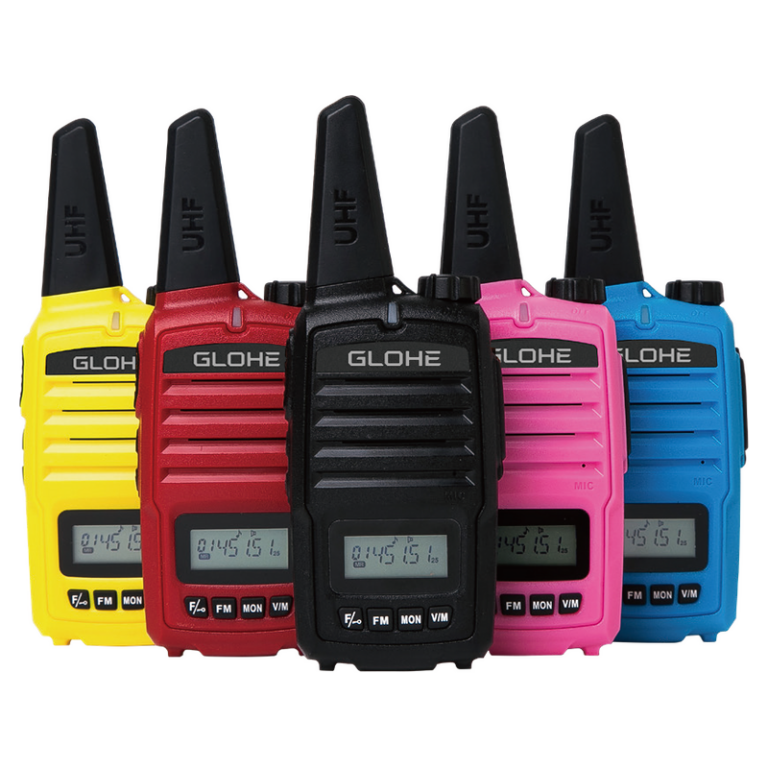
Power output and antenna options determine usable range more than a glossy headline; pick the right wattage and antenna type for urban, rural, or indoor sites. Battery chemistry and hot‑swap ability matter when shifts run 12 hours or more. Durability: target an IP rating and drop standard that match your fieldwork, and insist on tested audio clarity under background noise. Channels and programming: confirm capacity for required channels and easy over‑the‑air or cable programming. Accessories and mounting options affect integration into vehicles or helmets; don’t treat them as afterthoughts.
Procurement mistakes that break projects
Buying purely by price; banking on claimed range without a site test; assuming batteries sold with units will meet shift needs; ignoring local spectrum rules; underestimating accessory costs for headsets, chargers and vehicle kits; relying on a single supplier with no spare parts or local service. Each mistake creates downtime and unexpected cost — ask questions now to avoid fumbling later.
Field testing, compliance and what to check on day one
Run a walk test across your site with representative users and loads; test battery endurance under real use and in expected temperatures; verify audio with ambient noise sources that match the job. Confirm licensing with your regulator — in the Philippines, for example, coordination with the NTC is part of legal deployment — and check harmonics and adjacent‑channel interference. Insist on a simple acceptance protocol: range verification, battery baseline, and accessory fit before you sign off.
Alternatives and when to choose them
Analog keeps things simple, affordable and interoperable with legacy fleets; choose it where voice reliability and ease of repair are priorities. Digital radios add encryption, spectrum efficiency and data options — pick them when fleet management, telemetry or clearer audio in noisy sites are required. Hybrid deployments can work: analog for broad compatibility, digital for control centers or high‑security zones. Match choice to the operational problem, not the latest feature list.
Experience, authority and a real-world anchor
I’ve managed OEM sourcing and site rollouts with contractors and barangay teams for several years, learning that field failure modes rarely match lab claims. Lessons from the Tacloban response after Typhoon Haiyan show how straightforward analog voice gear kept responders coordinated when other systems failed; that experience underlines why rugged, easy‑to‑repair kit matters. For practical procurement, evaluate actual units and confirm they meet the same hands‑on needs you expect from an analog walkie talkie in tough conditions.
Buying checklist to avoid surprises
Specify operating environment and users; require vendor site tests; demand battery life proof and spare parts availability; set clear warranty and service SLAs; include programming, training and a simple acceptance test in the contract; confirm regulatory compliance and local support; budget for accessories and long‑term maintenance rather than one‑off hardware cost.
Synthesis
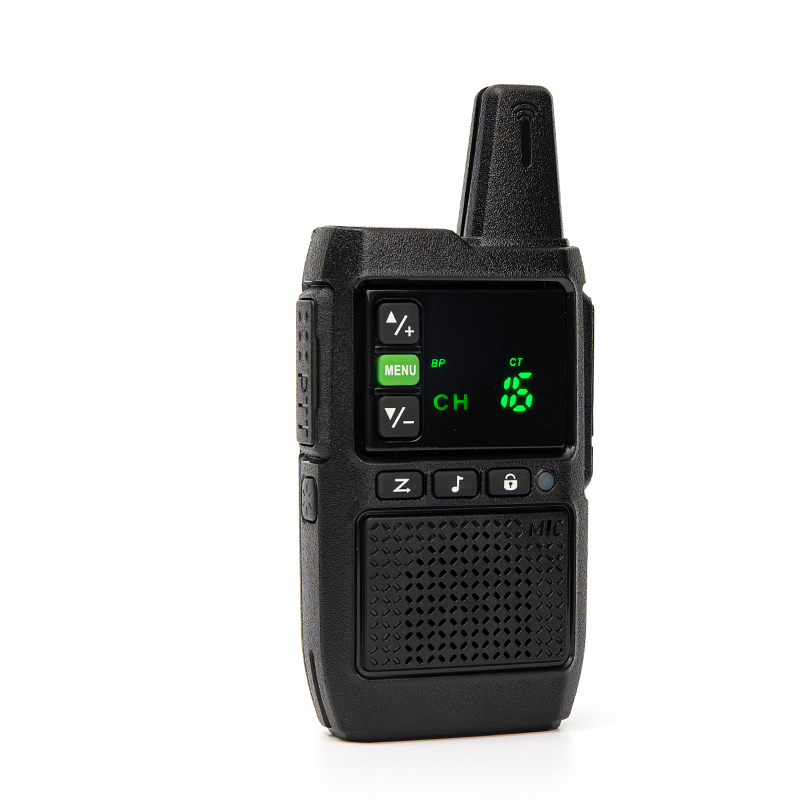
Fix the procurement problem by matching radios to the real task: rugged hardware, correct power/antenna choice, verified battery life, local service and an acceptance test. Buy for operational continuity, not just initial cost, and you’ll reduce downtime and scope creep. For buyers who need a partner that understands these tradeoffs and supports field realities, GLOHE fits naturally into the procurement conversation without forcing a change in how your teams work.