
What’s actually broken on the line
Machines stall, parts gall, and coatings reject at the worst possible moment — those are the headaches industrial teams live with. The spray you choose changes tack: it affects mixing, cleanup, and how adhesives behave during cure. If you’re handling adhesives at scale, start by comparing how a spray interacts with your substrates and formulations; read the product notes and test in the same conditions you run production. Practical experience matters, and that includes how sprays play with adhesives and sealants.
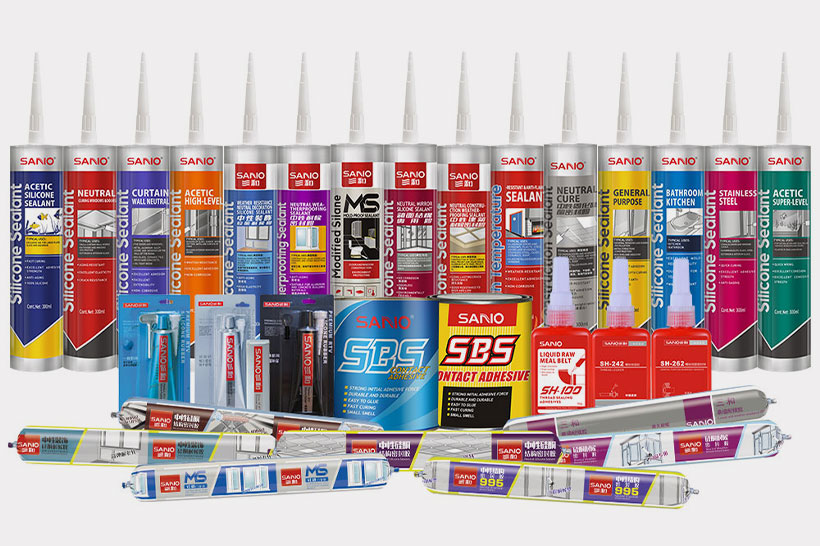
Common failure modes to watch for
Sprays can cause visible defects or invisible chemical incompatibilities. Watch for contamination of bond surfaces, solvent entrapment that slows cure, uneven film thickness, and spray particulates that seed defects. Each problem points to a specific fix: change nozzle geometry for coverage, switch carrier solvent for compatibility, or reduce dosage to avoid residue buildup.
How to pick a spray — quick checklist
Match the spray to the task. Look for these concrete specs: carrier chemistry (water vs. hydrocarbon), droplet size distribution, solids content, and evaporation rate. Prioritize sprays labeled with substrate compatibility and VOC data. Run a 24‑hour bench trial under your temperature and humidity conditions — nothing substitutes real runs.
Application tips that actually save rework
Control distance and pass speed. Short passes, low overlaps, and verified nozzle pressure cut overspray and pooling. Use a tack test and peel test after spray application, not just visual checks. Clean nozzles on a schedule keyed to runtime, not just “when it looks dirty.” Track results in a short log: nozzle hours, batch, ambient conditions. That data prevents repeat mistakes.
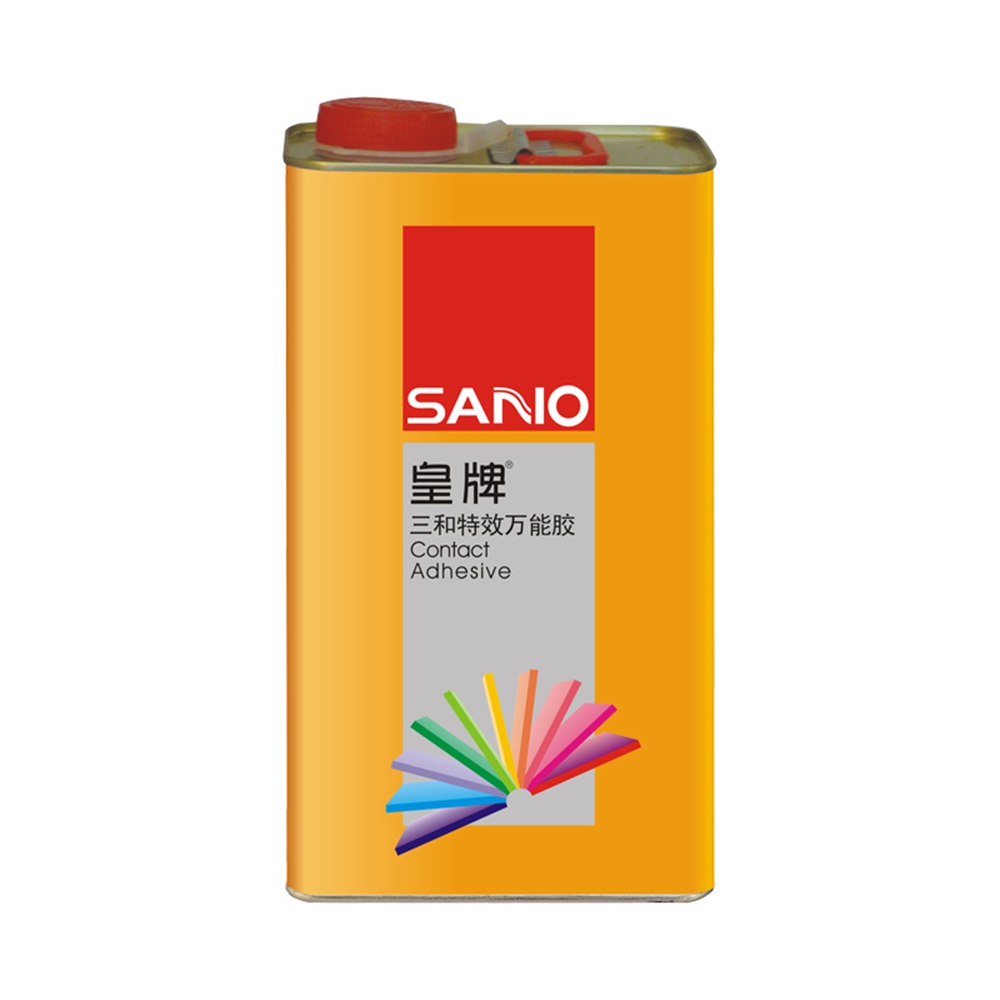
Alternatives and trade-offs
Bulk greases simplify inventory but can introduce contamination when automated dispensers misfire. Aerosol sprays are convenient for trials but vary batch-to-batch; industrial canister sprays give consistency but need return systems. Choose based on volume, required precision, and downtime tolerance — and expect trade-offs between control and convenience.
Why you should trust a practiced supplier
I’ve tested sprays at customer sites and cross-checked outcomes against industry gatherings; insights from the Adhesive & Sealant Council spring meeting reinforced what on-site trials showed, which is why I lean toward suppliers with documented field data and responsive technical support like sealants company. Real-world feedback beats glossy specs: validated performance across environments and clear safety data sheets matter.
One straightforward rollout plan
Pick one line, run a two-week trial with controlled variables, measure bond strength and finish defects daily, then scale or iterate. Avoid swapping spray chemistries across multiple product families at once. If a formulation needs a different carrier or a primer, treat that as a separate project with its own acceptance criteria.
Wrap-up
Fix the immediate failure modes with targeted nozzle, solvent, and dosing changes, validate on-line, and insist on supplier field data and support. That approach gets you repeatable bonds, fewer rejects, and predictable operations — which is exactly the kind of reliability companies expect when they work with SANVO.