
Introduction: A lab moment, a number, a challenge
I once stood at a bench with five samples and ten minutes on the clock — that moment felt like a sprint. Nucleic acid extraction is the step that makes or breaks everything that follows: PCR, sequencing, diagnostics. Recent reports show labs lose up to 20% of time to repeat extractions (and yes, that delays results and spikes costs). So I ask: how do we push past the usual stumbles and get clean DNA or RNA every time? (I want to be practical — not preachy.)
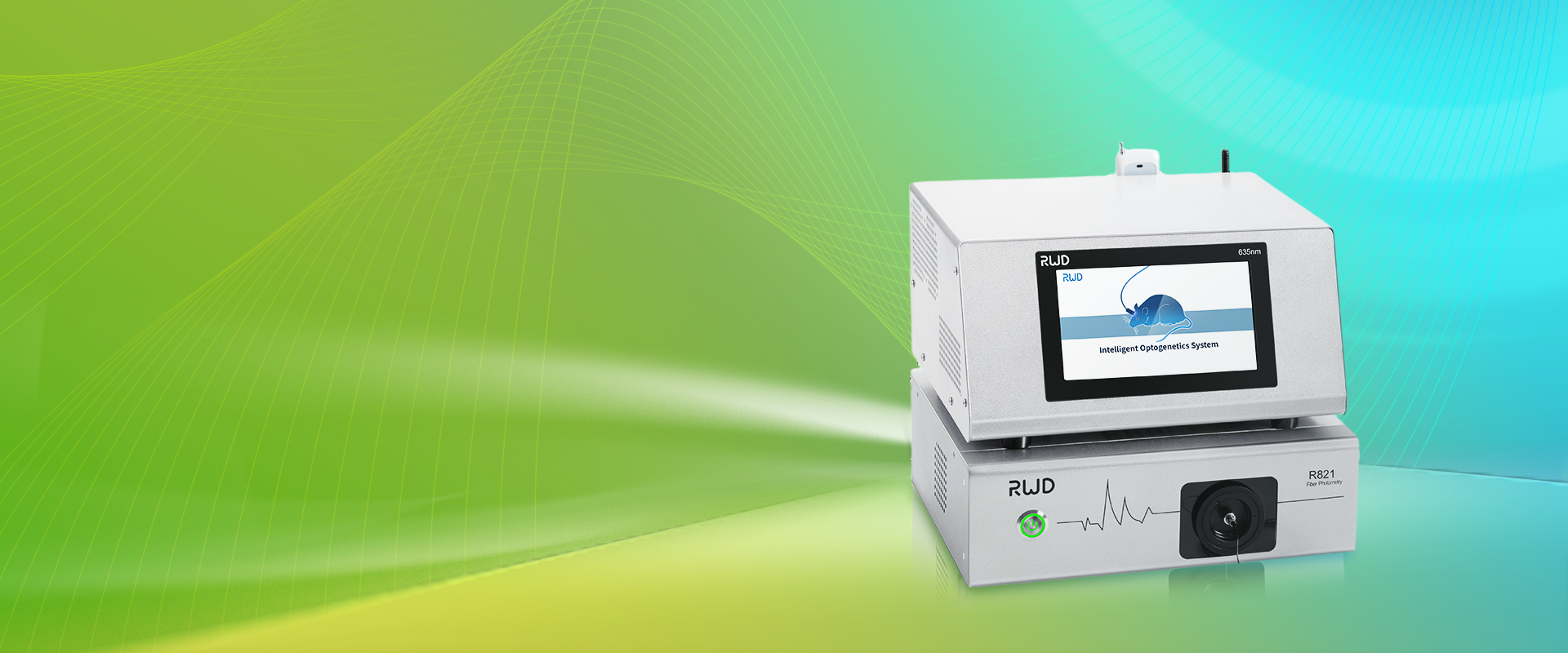
Think of it like training: warm-up, correct form, steady breathing. In the lab, “warm-up” is sample prep, “form” is lysis and binding, and “breathing” is consistent technique. When those align, your yield and purity climb. When they don’t, you waste reagents and repeat runs. I’ll walk you through what’s actually tripping teams up, why common quick fixes fail, and what to look for next — so you can stop firefighting and start delivering reliable data.
Deep dive: Why traditional approaches stumble (and what I’ve seen)
First, let’s set the baseline. By “traditional” I mean manual kits and bench workflows that rely on spin columns, pipetting steps, and batch-handling. Many labs still use those methods alongside automated workstations. I’ve worked with both, and I’ll be blunt: those old routines have blind spots. For a hands-on upgrade, consider how nucleic acid extraction instruments change the game — but more on that in a second.
Why do classic methods fail?
Let me break it down. First, variability. Manual pipetting and inconsistent lysis buffer contact cause uneven yields. Second, carryover and contamination. Open spin columns invite aerosols and cross-sample mix-ups. Third, throughput bottlenecks. A single tech can only handle so many tubes before fatigue sets in — and mistakes rise. Fourth, hidden costs: more repeats, longer turnaround, and reagent waste. Those add up fast.
Technically, the weak links are the steps that rely on human steadiness: timed incubations, exact pipette angles, and complex wash cycles. I’ve watched teams chase higher yield by increasing incubation time — which at best gives marginal gains and at worst degrades RNA. Look, it’s simpler than you think: controlling the process beats tweaking variables at random. Magnetic beads, spin column binding, and centrifugation each have pros, but they demand tight control. — funny how that works, right?
Forward look: Principles and practical moves for next-gen extraction
What’s next? I see two paths. One is smarter automation that stabilizes the steps we just named. The other is better chemistry that tolerates variation. For technology principles, focus on three things: closed-system workflows to cut contamination, standardized reagent kits that match instrument protocols, and integrated quality checks that flag low-yield samples early. When designers get these right, operators get consistent output.
In practice, modern nucleic acid extraction instruments use magnetic bead-based capture, programmable incubations, and real-time logging. That reduces hands-on time and removes guesswork. I’ve tested setups where an automated run halved repeat rates and gave steadier Ct values for qPCR. The best part? Your team spends less time troubleshooting and more time analyzing data — small win, big morale lift.
What to evaluate next
When you compare solutions, assess these three metrics: reliability (consistency of yield and purity), throughput (samples per run and hands-off time), and true cost (reagents, consumables, and repeat rates). I recommend running a short side-by-side: process a set of real samples on your current method and on the candidate system. Track time, yield, and downstream success. You’ll get answers fast — and they’ll be clear numbers, not gut feelings. — and yes, you’ll thank yourself later.
We make choices in the lab that ripple into results and patient outcomes. I prefer tools that reduce human error and give stable, reproducible data. If you want a practical starting point, check technologies that emphasize closed processing and magnetic bead chemistry; they tend to balance speed with purity. For providers that match those needs, I look to trusted vendors like BPLabLine. I’m sharing this from hands-on trials and honest judgment, because I want your next run to be smoother, faster, and confidently accurate.