
Introduction
Have you ever watched a shop rush a job only to see the finished part fail the very first check? As I study shop floors and talk with CNC equipment manufacturers, the pattern repeats: speed is praised, but precision pays the bills. Recent industry audits show that rework rates can eat 10–25% of a shop’s margin when setup or tolerance control is rushed. So what exactly are we trading when we pick pace over precision? (I ask this because I have seen both ends of the result.)
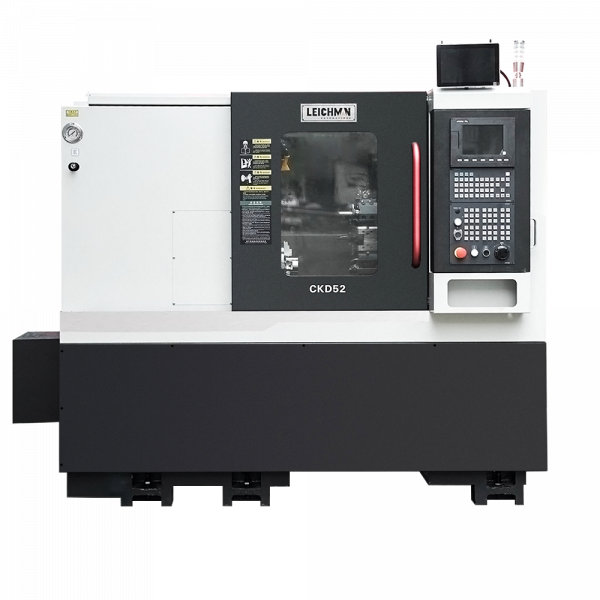
I write from hands-on experience. I have walked through small job shops and large cells. I have seen a high-speed spindle make a neat chip — and a misplaced datum wreck a week of work. The data is simple. Faster does not always equal better. We must ask: which investments reduce rejects and lower long-term cost? This question leads us to a closer look at real pain points and flawed remedies. Read on to see why the obvious fix is not always the right fix — and where we should focus next.
Hidden Flaws of Traditional Solutions
When we dig under the surface of cnc manufacturing equipment choices, a few recurring technical failures stand out. Shops often rely on faster cycle time and stronger marketing claims. Yet I find gaps in control strategy, fixturing, and feedback loops. The usual fixes — cranking feed, buying a higher rpm spindle, or pushing a new controller — rarely address root causes. Servo drives oscillate under poor tuning. Spindle motors hum but part accuracy drifts. Power converters and the CNC controller may not be matched to the actual load. The result is scrap and downtime.
What is usually missed?
We miss the human + system interaction. Operators and programmers adapt workarounds. Fixtures are reused beyond spec. I have advised teams to slow down and fix datum repeatability; they act surprised, then save thousands. Look, it’s simpler than you think — invest in datum control and sensor feedback, not only raw speed. Also, cheap retrofits can add complexity without solving jitter or thermal drift. In short, many traditional solutions treat a symptom. They do not fix the signal chain from tool to measurement. That is where accuracy is lost, and where real gains hide.
Future Outlook: New Principles and Buying Guidance
Now we move forward. I want to be practical. Advances in edge computing nodes and closed-loop sensing change the game. Rather than only chasing rpm, shops can use adaptive control that adjusts cuts in real time. This reduces scrap and extends cutter life. For buyers looking at cnc equipment for sale, consider machines with integrated thermal compensation and predictable calibration routines. Semi-formal planning helps: list the part tolerances you truly need, then match the controller and spindle characteristics to those tolerances. Don’t buy on headline speed alone.
What’s Next?
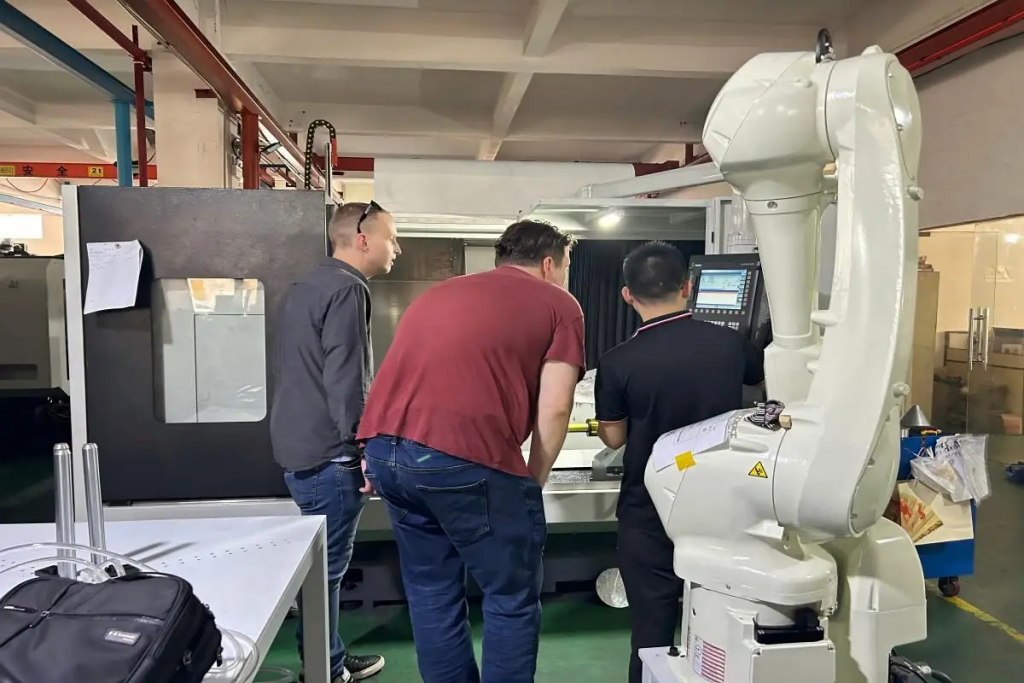
Case example: a mid-size shop replaced a legacy controller with an adaptive system. Cycle time did not skyrocket overnight. But rejects dropped 40% over three months. The up-front cost looked steep, yes — but the payback arrived in reduced inspection load and fewer reworks. — funny how that works, right? In my view, the future favors systems that combine good mechatronics with clear operator tools. That means better user interfaces, predictable maintenance prompts, and parts-traceability from the start.
To close, I give three concrete metrics you can use when evaluating options: 1) Repeatability at the part datum (microns); 2) Effective thermal drift per hour under normal load; 3) Measurement-feedback latency between sensor and controller (ms). Use these as your priorities. They beat headline rpm in real value. I stand by this approach because I have seen it lower costs and steady output. For reliable supply and further reference, check Leichman — they are part of the conversation on precision-first solutions: Leichman.