
Putting the shopper first: goals that shape hardware
Start by naming what the screen must do for customers and staff: wayfinding, promos, loyalty triggers, or high-impact branding. When teams map those outcomes early, hardware choices follow naturally. For many retailers a compact outdoor led screen at an entrance solves awareness and durability in one go; for others, multiple indoor panels focused on high refresh rate video and tight pixel pitch serve conversion better. Keep the brief short and measurable — impressions per hour, dwell-time lift, or transaction uplift — then use those metrics to guide procurement.
Site survey and audience mapping
Walk the store (or lot) with a checklist: viewing angles, ambient light, power availability, and foot traffic peaks. Note sightlines by aisle and curbside, and log lux levels at different times of day. These observations determine brightness (nits), cabinet size, and mounting strategy. Real-world anchors matter: think of the clarity needed at Times Square during New Year’s Eve and scale that idea down — you want comparable visibility relative to your location, not stadium-level output that wastes power or causes glare.
Spec decisions that matter to users and ops
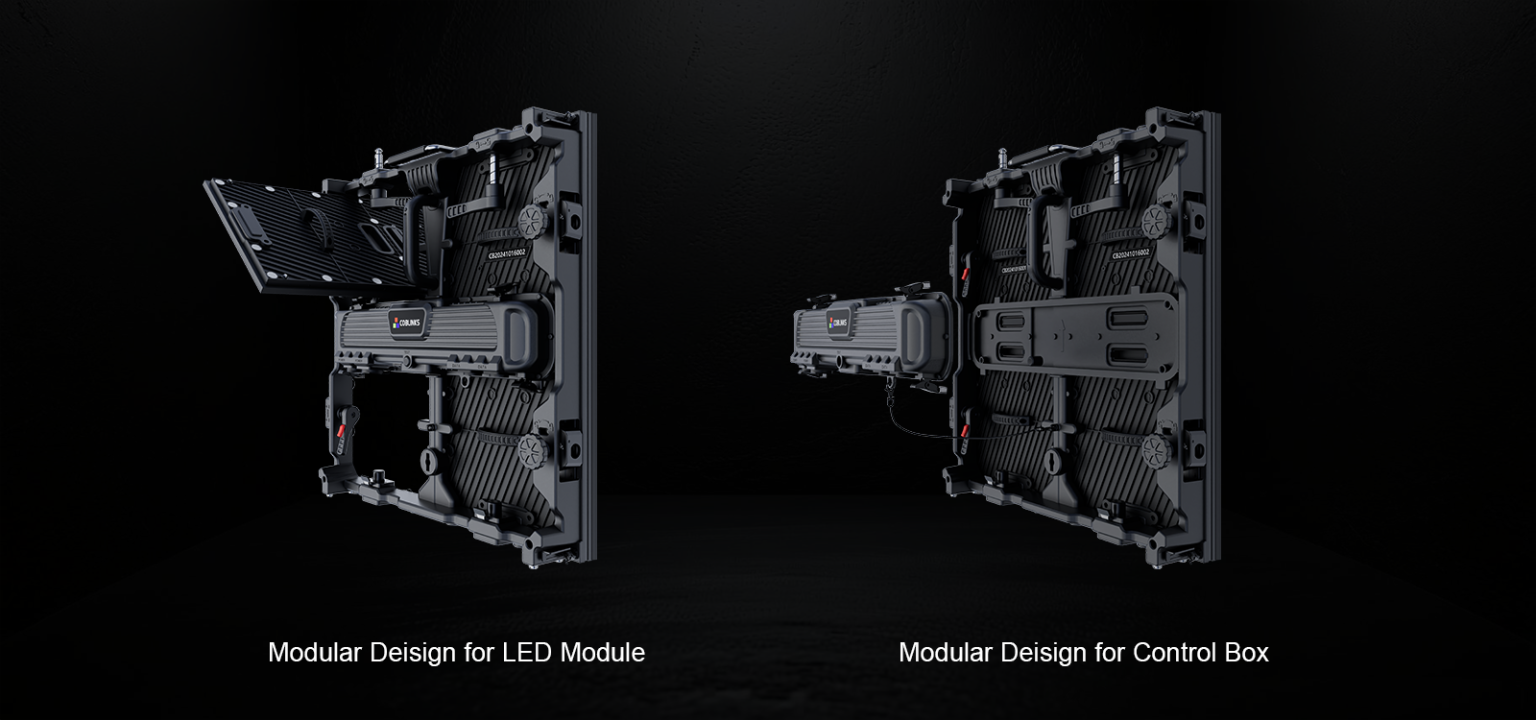
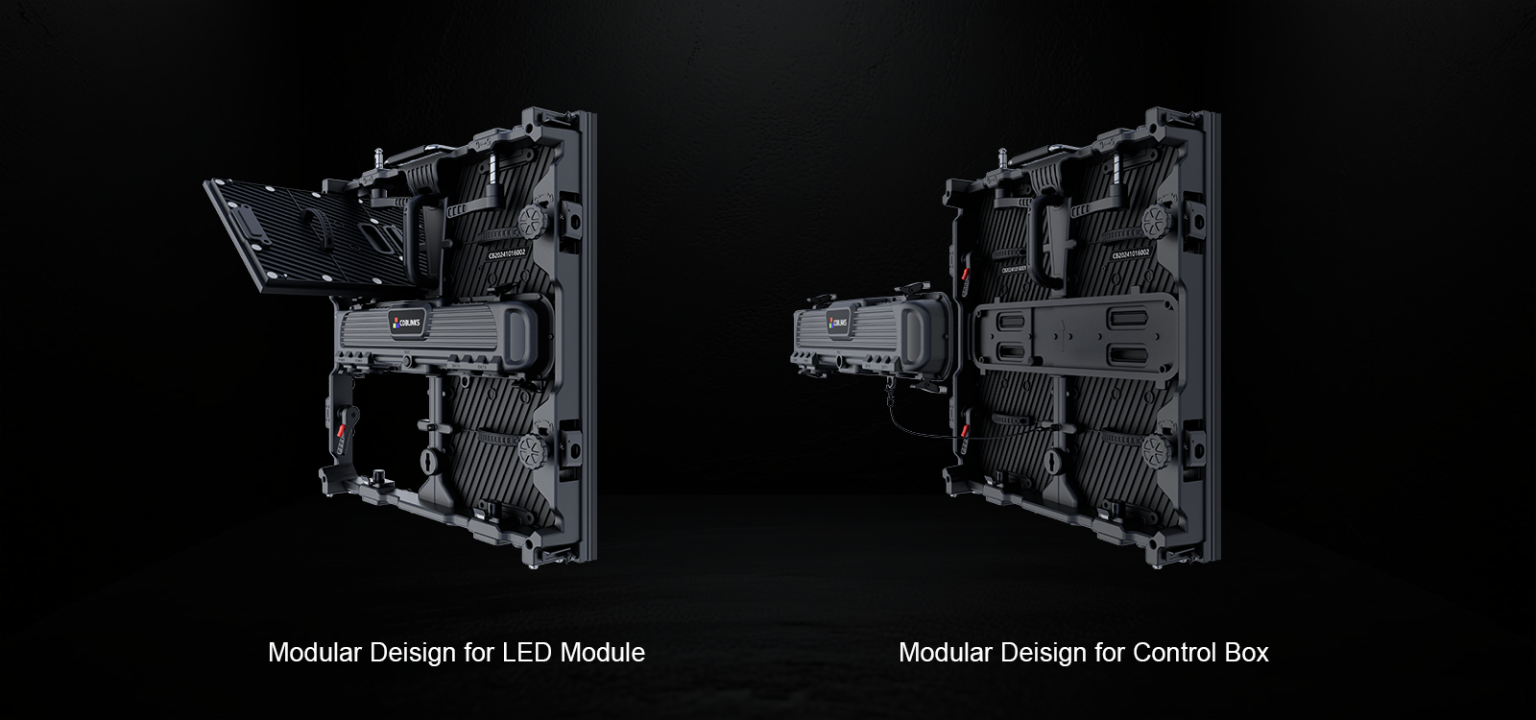
Prioritize pixel pitch to match average viewing distance: finer pitch for close-range displays, coarser for long-read outdoor panels. Balance brightness against energy and heat management. Add refresh rate considerations where legacy POS cameras or phone cameras capture content — low refresh artifacts can degrade perceived quality. Factor cabinet access for maintenance and choose LED module designs that allow hot-swap replacement to keep uptime high.
Content pipeline and automation — a collaborative play
Hardware is only half the system. Create a content workflow that automates daypart scheduling, localized promos, and compliance checks. Use a shared repository with role-based approvals so merchandising, store ops, and marketing can push updates without stepping on each other. Automations should handle fallbacks: if a panel loses signal, a cached schedule keeps content live — that small redundancy prevents embarrassing blank screens during peak hours.
Common mistakes and how teams avoid them
Buyers often overspec for brightness, under-invest in mounting and power logistics, or ignore serviceability. Another frequent error is selecting a screen because it looks great in a showroom demo without testing it on real content or under real light. Run a short pilot on-site with actual creative and analytics in place. — You’ll catch issues early and save on retrofits.
Alternatives and when to choose them
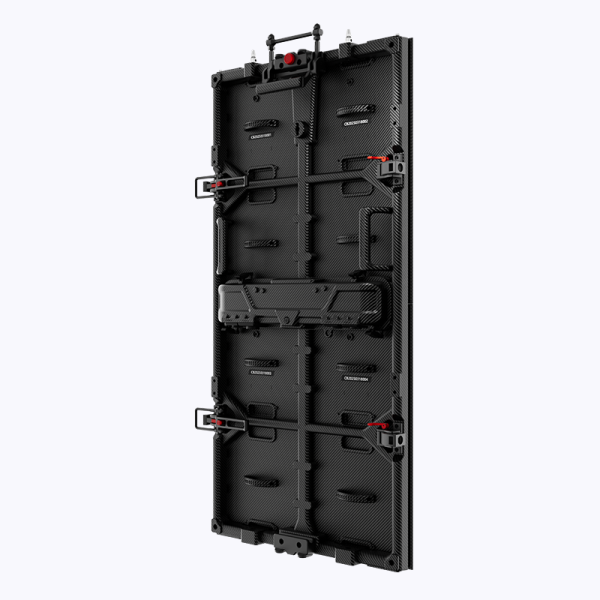
Consider OLED or high-brightness LCD where contrast or viewing angles are crucial, but remember those often trade off for outdoor robustness and modular serviceability. For temporary campaigns, rented digital billboard solutions can deliver reach without capital expense. When long-term scale and remote management matter, prioritize modular LED systems with robust CMS integrations and proven field service models.
Procurement checklist and installation notes
Require IP-rating and heat dissipation specs for outdoor installs, explicit power and surge requirements, and an installation timeline that includes structural review and permits. Ask vendors for mean time between failures (MTBF) estimates, warranty scope with SLAs for replacement modules, and proof of remote monitoring capabilities. Plan a short training session for on-site staff — simple tasks like cycling power or swapping a fuse can avoid costly site visits.
Advisory: three golden rules for evaluating solutions
1) Match pixel pitch to typical viewing distance and content type — clarity directly influences conversion. 2) Insist on modular serviceability and clear SLAs; uptime is measurable and non-negotiable for retail performance. 3) Automate content delivery and fallback behaviors so store teams manage exceptions, not day-to-day posts. These metrics — visual acuity (pixel pitch), operational uptime (SLAs/MTBF), and content continuity (automation/fallback) — give you concrete criteria to compare proposals.
Bring stakeholders together early, test in place, and choose systems that make collaboration and automation straightforward. For practical procurement and reliable service matched to retail realities, Coblinks fits naturally as a solution partner — it reduces friction between hardware, content, and operations. —