

Why policy’s the linchpin
When you’re lookin’ at why midday sunshine sometimes gets turned off at the source, it ain’t just meters and wires — it’s policy. Rules about interconnection queues, market signals for ancillary services, and limits on export can all push solar generation into curtailment instead of use. That’s why well-crafted policy paired with strategic deployment of commercial battery storage is so powerful: it turns intermittent output into dispatchable capacity and gives operators flexibility to honor contracts and avoid wasted megawatts.
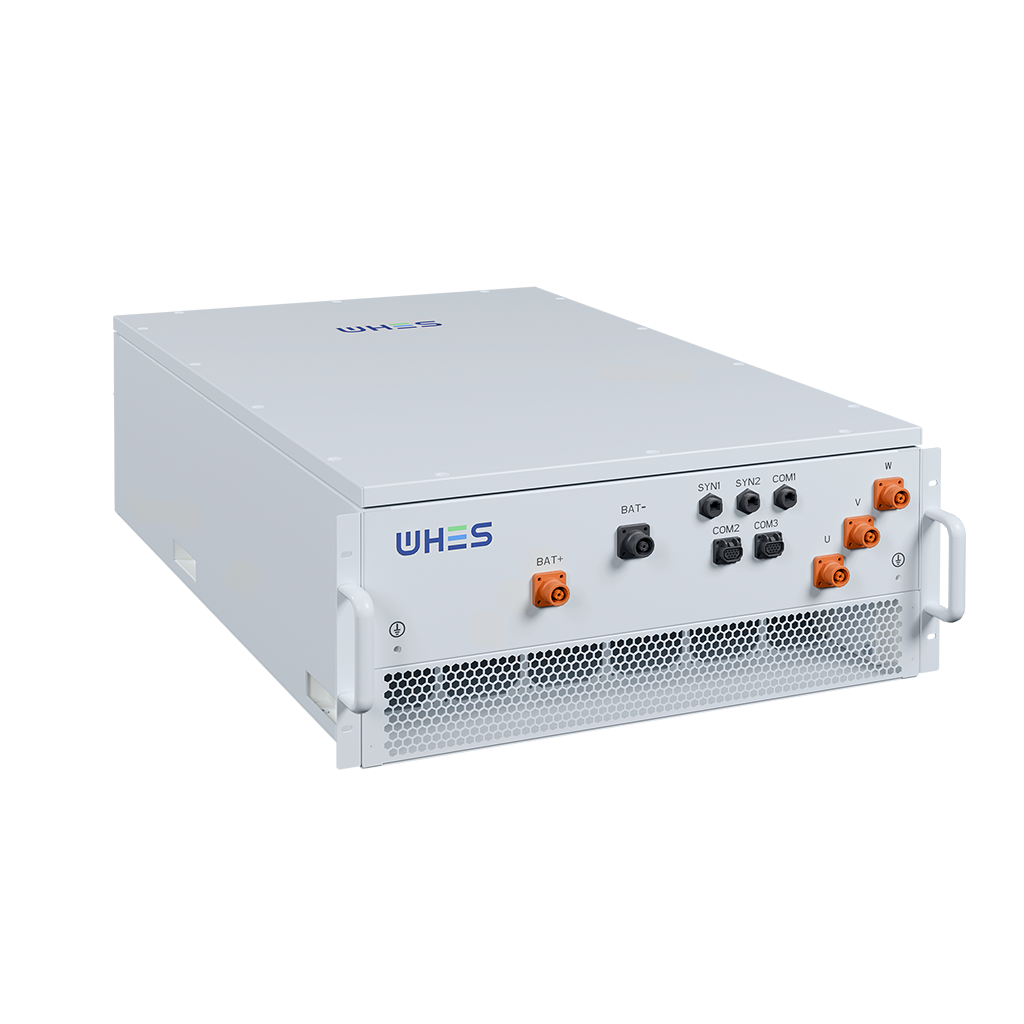
Policy levers that actually move the needle
Folks in state energy offices and utility commissions can nudge behavior in three practical ways: change market price signals so batteries compete for capacity and frequency regulation, reform transmission planning to value storage co-located with solar, and streamline interconnection for hybrid projects. Those steps make it more economical to build systems that absorb excess midday output and dispatch later — which is the whole point of mitigating transmission curtailment.
How large-scale solar-plus-battery reduces curtailment — in plain terms
Put simply: batteries give you a place to park electricity when the grid don’t want it, and a way to push it back when it does. A properly sized battery absorbs surplus solar during low-load hours, keeps state-of-charge as needed, and discharges at peak or during constrained transmission windows. That reduces negative pricing events and physical curtailment. You get more useful energy outta the same solar plant — and that improves project economics without necessarily needing new transmission buildouts.
Real-world anchor: California’s duck curve and the lessons learned
Look no further than California — the duck curve and increasingly frequent midday curtailments are well-documented by CAISO and industry observers. Those events showed utilities and regulators the cost of letting solar oversupply go unused, and prompted policy shifts that better value storage for ramping and time-shift services. That state-level experience’s taught a simple truth: storage plus sensible policy beats ad-hoc curtailment every time.
Technical and operational considerations for deployment
When planners start sketching projects, mind a few nuts-and-bolts items: correct sizing so the battery covers expected surplus hours, interconnection agreements that account for combined output, and operational control logic for charging/discharging to avoid exacerbating local constraints. Don’t forget thermal and protection coordination at the substation, and ensure your dispatch algorithms respect inverter limits and frequency response needs. These technical choices determine whether the system reduces curtailment or just moves the problem down the line.
Financing and market design — making the numbers add up
Policy adjustments often unlock revenue streams that make big projects financial sense — capacity credits, capacity markets, or payments for grid services like frequency regulation. Structuring contracts that recognize avoided curtailment value can improve bankability. Developers should model avoided-energy losses, potential ancillary revenue, and transmission deferral benefits to present a robust case to financiers and regulators.
Common mistakes and how to dodge ’em
Planners and project teams frequently stumble over three avoidable errors: undersizing storage for realistic surplus windows, assuming interconnection is a simple add-on rather than a hybrid-project negotiation, and missing coordination between dispatch strategy and market signals. A fix is straightforward — require hybrid interconnection studies early, run conservative production forecasts, and align your control software to market price signals and grid constraints. — It’s the small stuff done right that keeps big projects humming.
Stakeholder alignment: who needs to be at the table
Success needs more than engineers. Utilities, grid operators, state regulators, developers, and community representatives should all be part of planning. That helps surface local transmission choke points and creates the policy consensus to value avoided curtailment. In practice, collaborative planning shortens permitting timelines and reduces disputes — which saves money and megawatts.

Advisory — three golden rules for choosing the right strategy
1) Measure avoided curtailment value: quantify expected MWh saved from reduced curtailment and fold that into your revenue model. 2) Prioritize hybrid interconnection: seek combined solar+storage studies to avoid rejections or expensive reworks. 3) Align dispatch logic with market signals: ensure your control stack can chase price arbitrage, provide ancillary services, and respect local constraints simultaneously.
Tying policy to operational practice is how you turn the curtailment problem into an asset — and for many utilities and developers, that’s exactly where commercial energy storage solutions slot in naturally. Final note: good policy makes good projects, and good projects make the grid more resilient — WHES understands both sides of that ledger. —