
At a glance: what this comparison sets out to do
This piece compares commonly specified commercial LED backdrops with an eye to aspect ratio, processor scaling and real-world deployment demands. It pairs practical notes on pixel pitch and refresh rate with examples drawn from major public sites such as Times Square, where scale and viewing angle determine success. If you need a compact reference for choosing led outdoor screens and ensuring an outdoor advertising screen display performs reliably, this is that reference.
Why aspect ratio and processor scaling matter in the field
Aspect ratio dictates how content fills a façade: a 16:9 feed will appear wrong on a 2.5:1 billboard unless the processor scales or crops. Processor scaling manages resolution conversion, frame-syncing and pixel mapping so motion remains smooth, and that is where hardware choices matter. Viewing distance, ambient brightness (measured in nits) and pixel pitch determine perceived clarity, and poor scaling can reveal tearing, judder or blurred type even on costly LED modules.
Head‑to‑head: common commercial options and practical trade‑offs
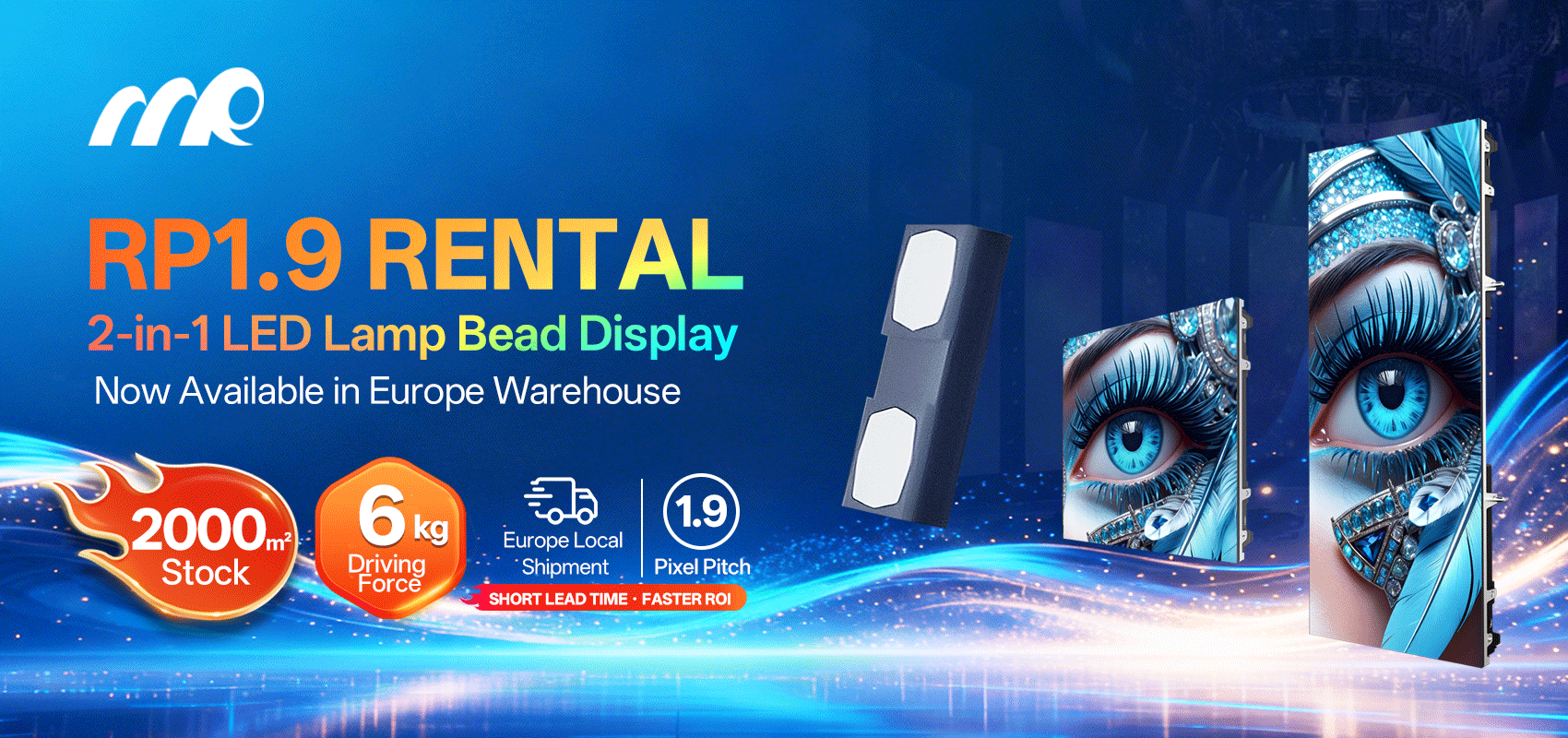
Fixed cabinet systems with coarse pixel pitch are rugged and bright; they suit long‑range sites but lose fine detail up close. Fine‑pitch panels deliver crisp graphics at close range but demand more from the processor and higher bandwidth. Rental soft screens give flexibility for event backdrops but often lack weatherproofing and long‑term colour stability. Manufacturers vary in their video‑wall processors: some prioritise multi‑input flexibility; others focus on low latency and HDR pass‑through. Choose according to whether the installation values distance legibility, contrast or compact transportability.
Common mistakes that compromise outdoor deployments
Specifying the wrong aspect ratio without an effective scaling plan leads to wasted pixels. Undersized processors introduce frame drops when driving high resolutions or multiple inputs. Ignoring IP rating and thermal management shortens LED module life. Failing to calibrate colour temperature across cabinets yields banding under sunlight — a subtle defect that becomes glaring at peak viewing times. Installers often under-estimate ambient brightness: outdoor displays frequently need several thousand nits to remain visible in direct sun, and that requires appropriate power and cooling arrangements.
Selecting processors and scaling strategies that endure
Prioritise processors with hardware scaling engines, 4:4:4 colour support for text fidelity, and frame‑synchronisation features. Look for units with scalable output mapping and redundancy; they must support stretch resolutions and odd aspect ratios without artefacting. Ensure the processor handles input de‑interlacing and offers real‑time preview features during commissioning. Where possible, choose systems that allow remote diagnostics and firmware updates — they reduce truck rolls and keep calibration consistent across seasons.
Comparative checklist for specifiers and technical teams
Clarity: match pixel pitch to minimum viewing distance; brighter sites need higher nit ratings. Fidelity: prefer processors with hardware scaling and low latency. Durability: confirm IP65+ ratings, proper heat dissipation and service access. These items work together rather than in isolation — a brilliant processor cannot salvage poor cabinet weatherproofing, and fine pitch cabling requires a processor and graphics pipeline that can feed it.
Three golden rules for procurement and deployment
1. Choose aspect ratio first, then design content to that canvas; let the processor adapt, not the other way round. 2. Specify a processor with headroom — support for higher resolutions and multiple inputs reduces future obsolescence. 3. Require environmental verification: brightness, IP rating and thermal tests as part of acceptance. These three metrics give measurable baselines for performance and longevity.
For practical installations that meet those baselines, suppliers who align product specification with service and on-site commissioning earn the long view — and that is precisely the kind of reliability you’ll find with MR LED. —